


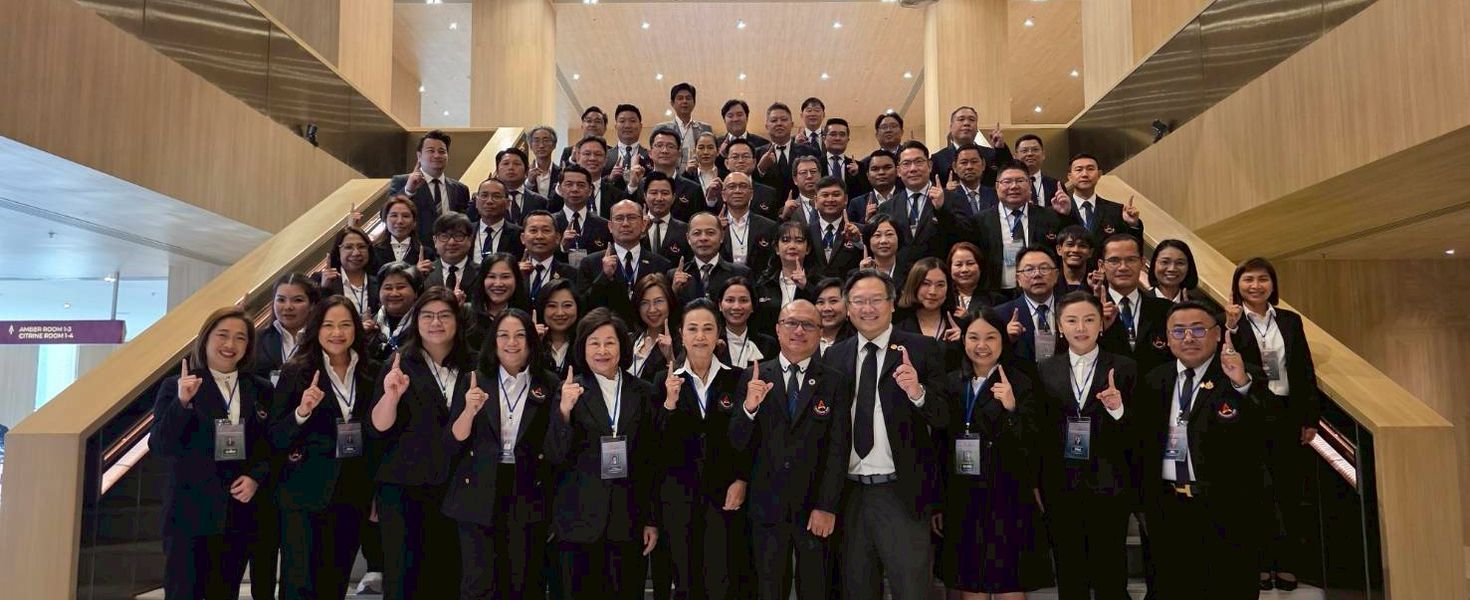
TU ESG NEXT
The course changing the mindset on sustainability in Thailand
At this moment, ESG (Environment, Social, Governance—a framework used to evaluate corporate sustainability and responsibility regarding the environment, people, and transparent governance) is no longer just a new buzzword in the business world. It is becoming increasingly important, evolving into a conceptual framework defining the future of organizations worldwide. Thammasat University, as a leading university in Thailand, is sending a clear signal that it is time for Thailand to have a new type of “Sustainability Leader”—one who not only knows the theory but can act on it and work with others.
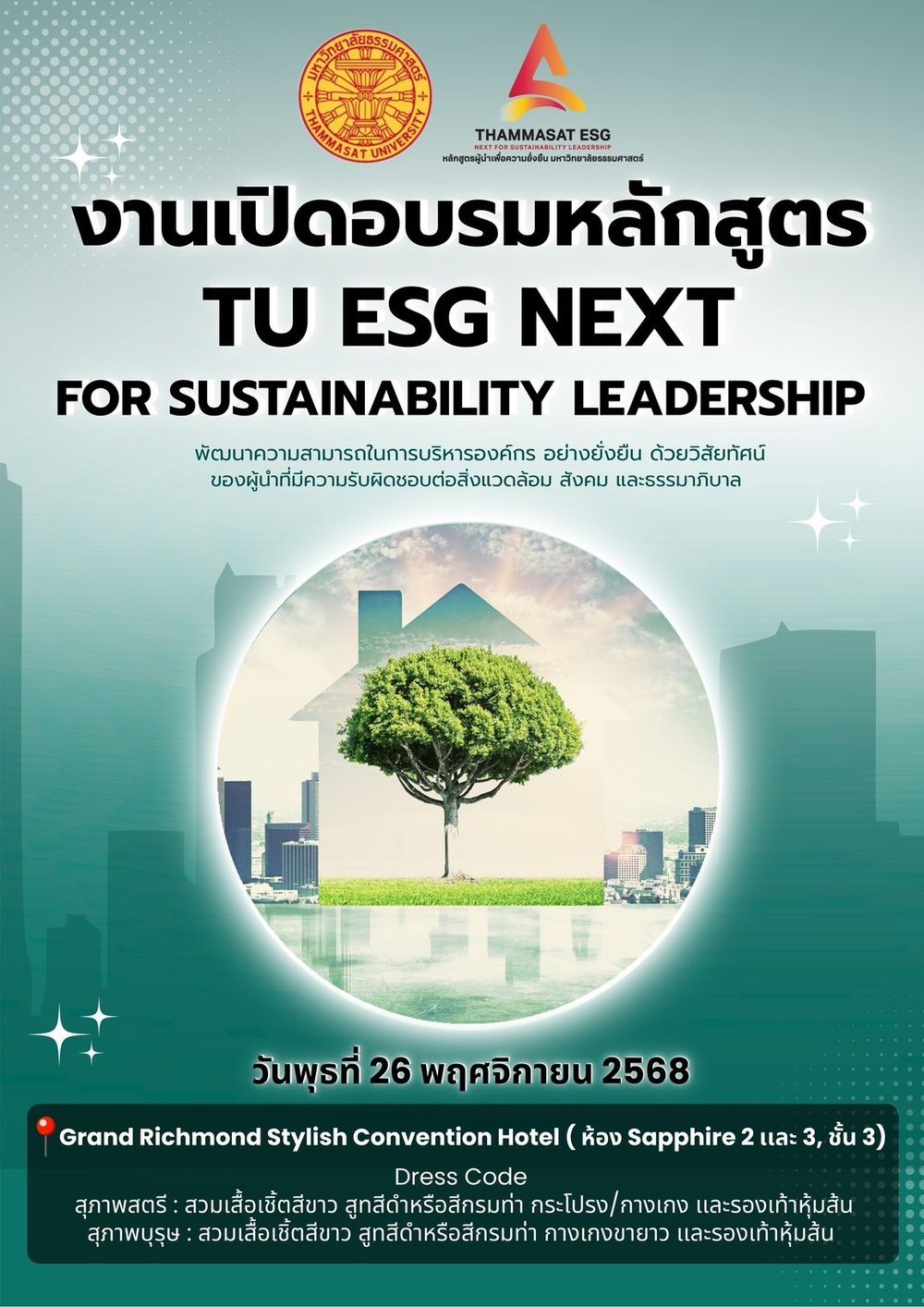
The TU ESG NEXT for Sustainability Leadership (TEN1) course is that signal. It is the latest curriculum from the "Institute for Continuing Education and Human Resources" (ICEHR), or as many are familiar with, "Sathaban Serm Sub," an entity established to "develop people and serve society with knowledge" through both public services and deep learning for actual practitioners.
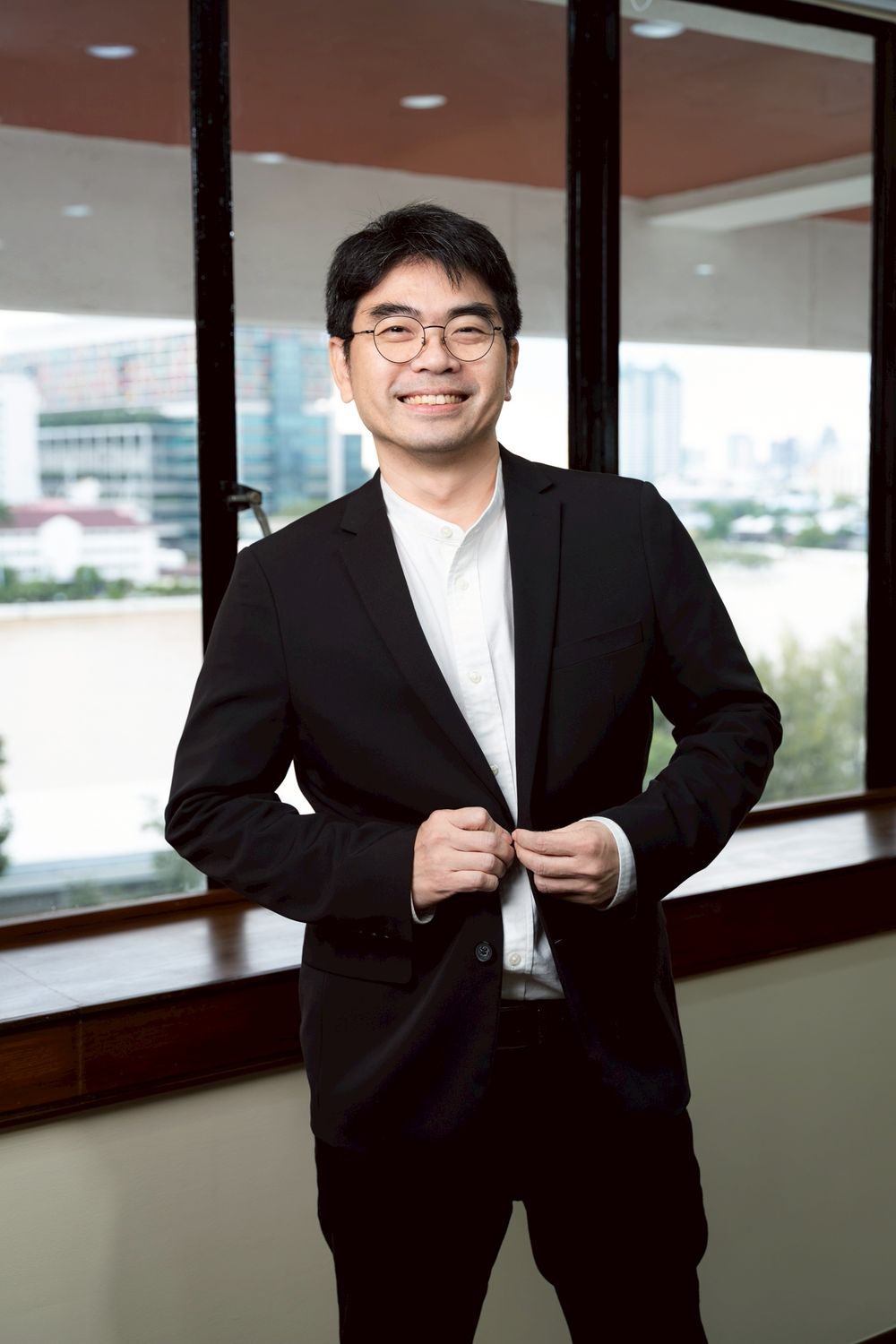
Dr. Ekasit Nunphakdi, Assistant Director of Academic Services at the Institute for Continuing Education and Human Resources, Thammasat University, who directly oversees this course, gave the Khaoyai Connect team an opportunity to discuss the importance of this curriculum.
What is the cause or background behind the University's decision to launch the TU ESG NEXT course at this time?
Over the past several years, the business world and the government sector have accelerated their shift towards ESG thinking. There is an effort to raise organizational standards to look beyond just profit, considering broader impacts on society, the environment, and transparent governance.
As a knowledge service agency, Thammasat views this as the time to participate in creating awareness, building knowledge, and molding people who can truly drive this matter forward.
Therefore, TU ESG NEXT was designed to be a "hub for leaders who want to see Thailand move forward sustainably," rather than being just a course that adds theoretical knowledge.
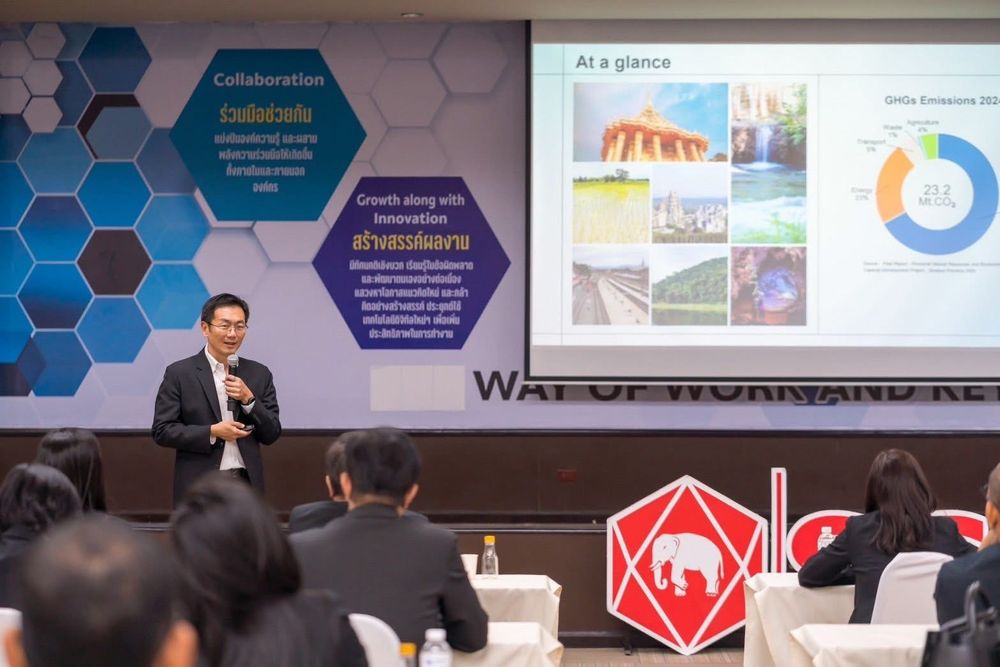
More than knowledge is the creation of an ESG leadership community
The heart of this course may not just be the intense content, but rather the creation of an "ESG leadership community" that will walk together for the long term.
The organizers believe that pushing for sustainability requires both knowledge and companions—people with ideas, determination, and positions capable of creating real change. It is not surprising that most applicants are executives from both the public and private sectors who want to take these concepts back to develop policies or plans already existing in their organizations.
What kind of leaders is TU ESG NEXT looking for?
The course expects learners to have systematic ESG knowledge, skills to drive and push initiatives within organizations, and to build a network of sustainability leaders from various sectors. They should have an open attitude and work well with others. The age range of 35–65 we set is not as important as the "intention to learn" and "open-mindedness," which are the qualities the organizing committee looks for most.
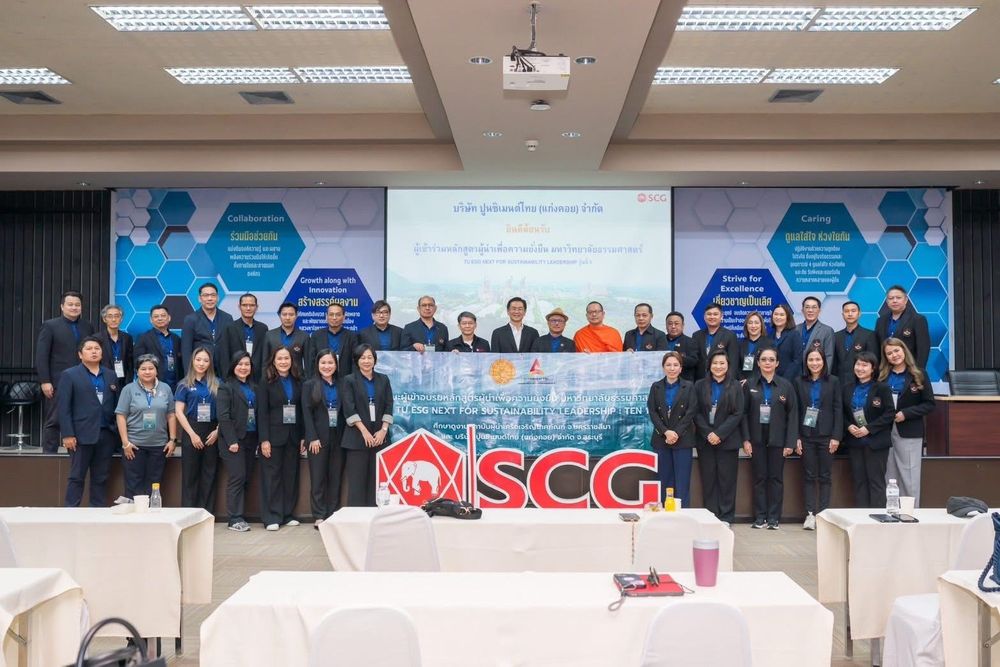
Why limit the class to 100 learners?
In the world of organizational development courses, limiting the number of learners might seem contradictory. But for TEN1, this is a purposeful design. This number is considered a large group sufficient to generate intellectual energy, yet not so large that the quality of exchange diminishes. It also allows for taking everyone on study trips both domestically and internationally effectively.
The 7 Modules of the Course
The curriculum structure is divided into 7 modules, covering ESG comprehensively, consisting of:
- Introduction to ESG & Corporate Sustainability Management: Basic concepts and directions for sustainable organizational management.
- Sustainability Leadership: Leaders and their new roles in a world requiring responsibility beyond profit.
- Corporate Governance Management: Governance according to good standards.
- ESG Integration Management: Integrating ESG into actual work processes of the organization.
- ESG Data, Disclosure & Communication: Reporting sustainability data and public communication.
- Human Rights for Business: Human rights standards in the business sector.
- Current Issues in ESG Development: The latest trends and challenges leaders must keep up with.
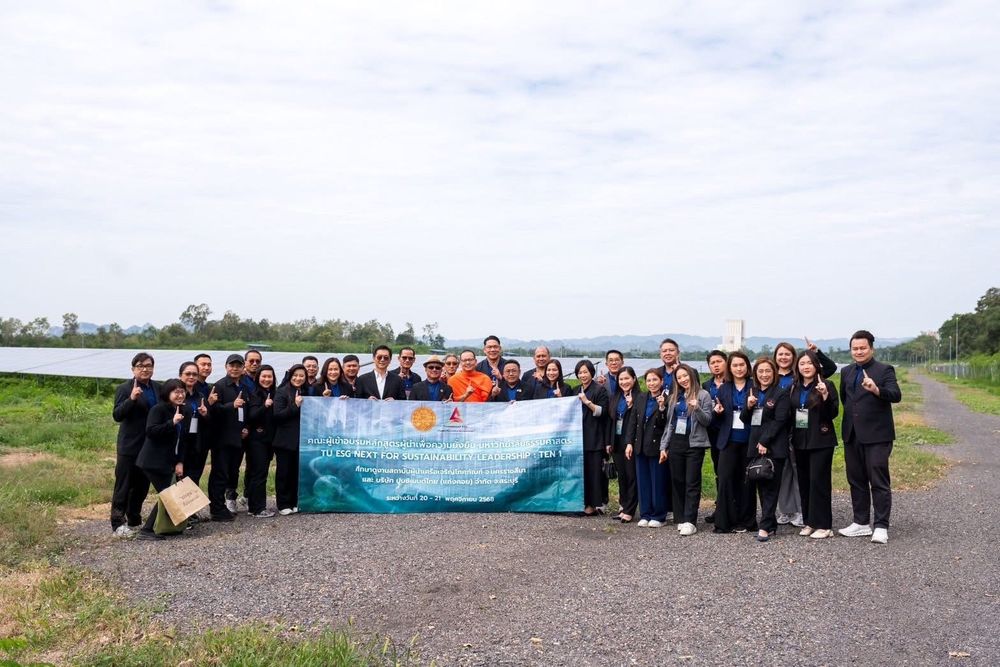
Learning is not limited to the classroom
Besides the classroom focused on intensive lectures, TEN1 emphasizes learning from real locations. We have domestic study trips to SCG Saraburi Sandbox, a prototype low-carbon city; the CP Leadership Institute in Pak Chong; and the Mae Fah Luang Foundation in Chiang Rai. There is also a study trip to Taiwan, one of Asia's leaders in ESG policy and innovation.
This experiential learning component—walking into factories, visiting real sites, talking to people who have been doing it for a long time—is viewed as the most powerful part because it helps learners see the results of ESG not just as theory, but as something that can actually happen.
After completing the course, what are learners expected to create with the knowledge and skills gained? Examples include new organizational policies, sustainability projects, or driving ESG in various sectors.
Most learners already have ESG policies or plans in their organizations. Therefore, the course hopes the knowledge gained will be applied immediately, whether in designing new measures, driving projects, or being key leaders within the organization.
Systemically, the success of "sustainability" may take time, but it can be measured by the direction, policies, and measures that reflect the organization's intent, as well as seeing the increased enthusiasm of various sectors.
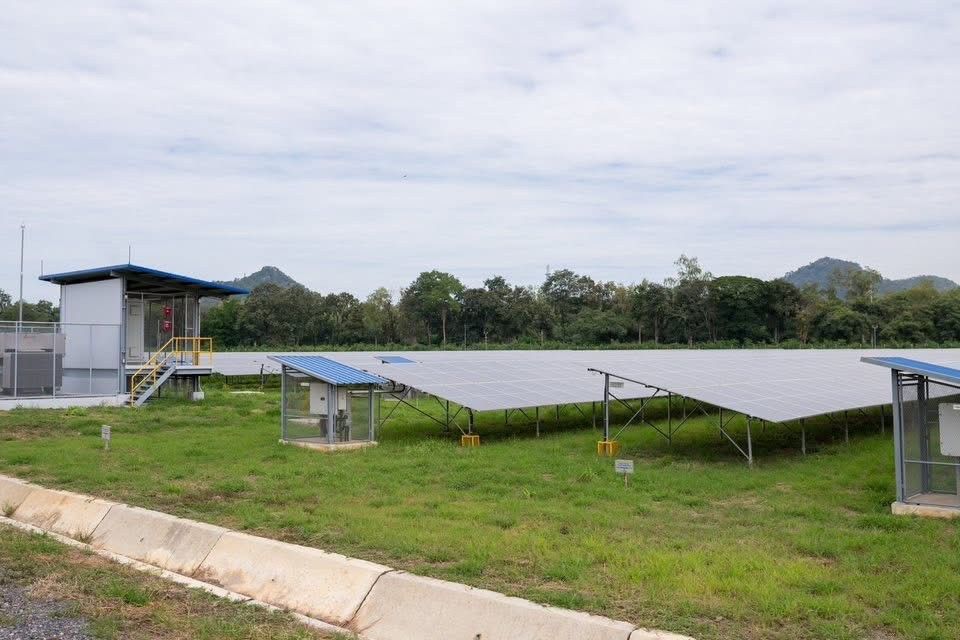
The learner network can create change at a national level
The organizing team hopes that the community of leaders born from TEN1 will gradually become a base for national-level change through group activities, collaboration, and the tight-knit relationships of learners in the course, which is designed to have continuous interaction even after graduation.
The course also prepares an "ESG Consultant" system for learners after graduation to ensure that the drive for change actually happens in the long term.
How is TU ESG NEXT superior to other courses?
While many institutions have started opening ESG courses, Thammasat University views having multiple players as a good thing because Thai society needs broad mobilization. However, TEN1 is distinct with the "Thammasat Spirit," a commitment of nearly a century to be a "wellspring satisfying society's thirst for knowledge."
The essence of Thammasat is thus reflected through the determination to provide intense, practical knowledge and to push learners to become leaders who create impact for both their organizations and society.
What will the next TU ESG NEXT be like?
The future direction is always open. There may be the addition of new modules, expansion of learner groups, or future cohorts. But the most important thing remains the same: creating people who know, understand, and can practically apply it.
© 2025 Khaoyai Connect. All rights reserved.
No part of this content may be copied, modified, or distributed in any form without prior written permission.
