


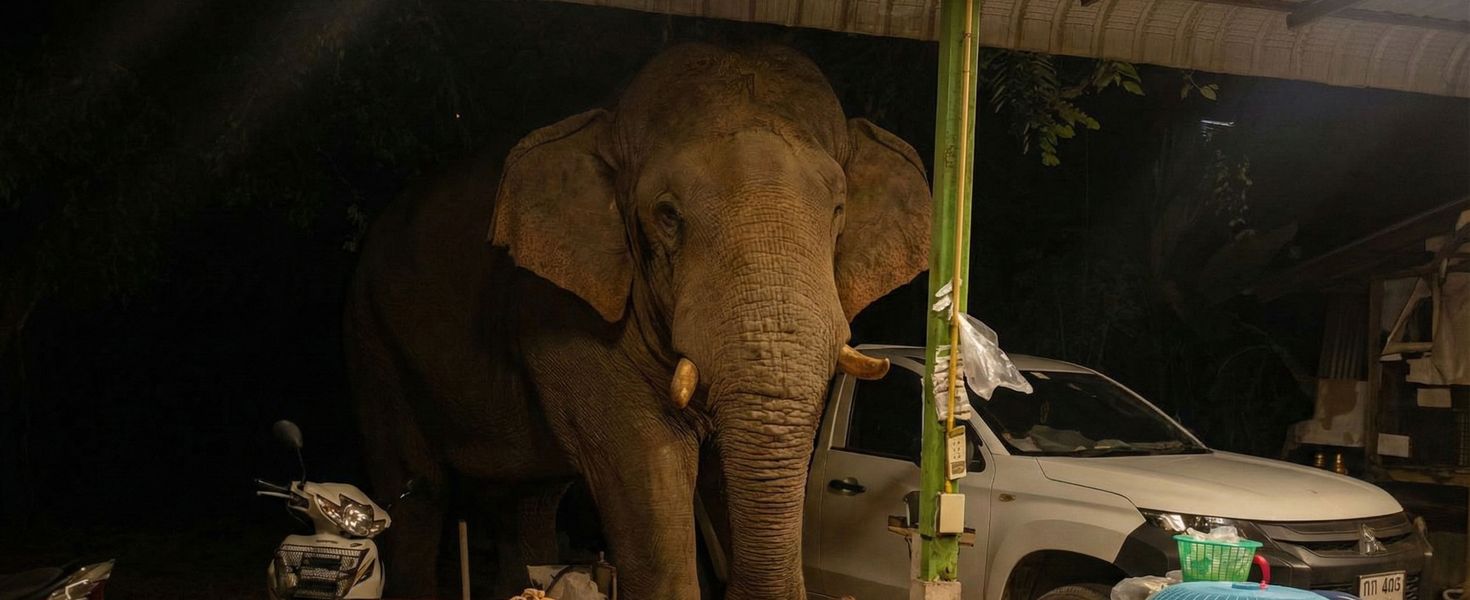
When the "Human vs. Elephant" problem becomes a "Human vs. Human" issue
A time bomb in the Khao Yai community that needs an urgent solution
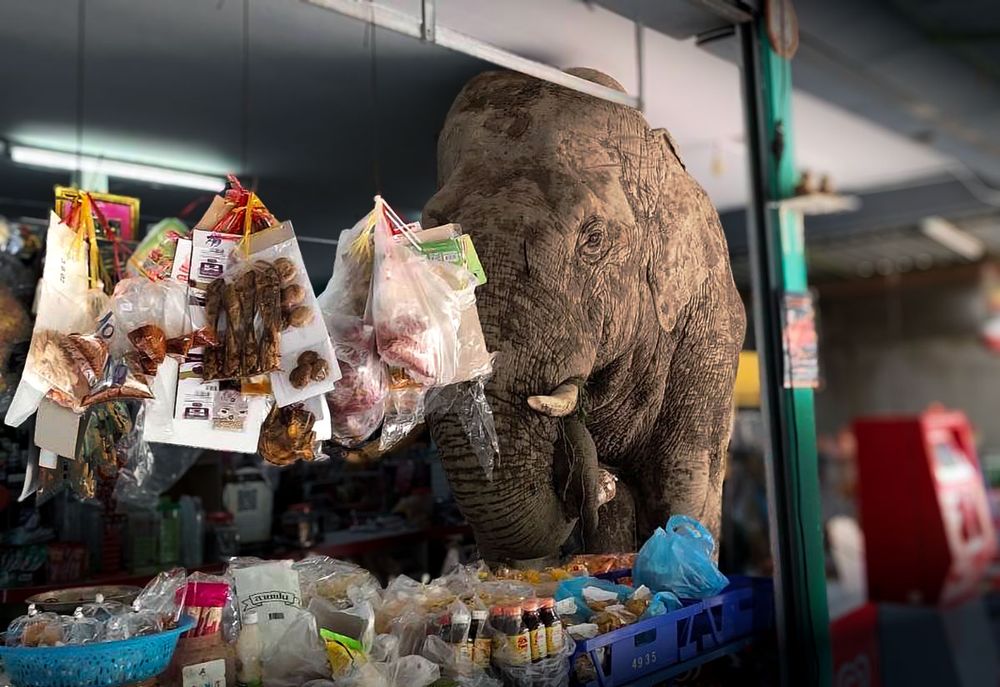
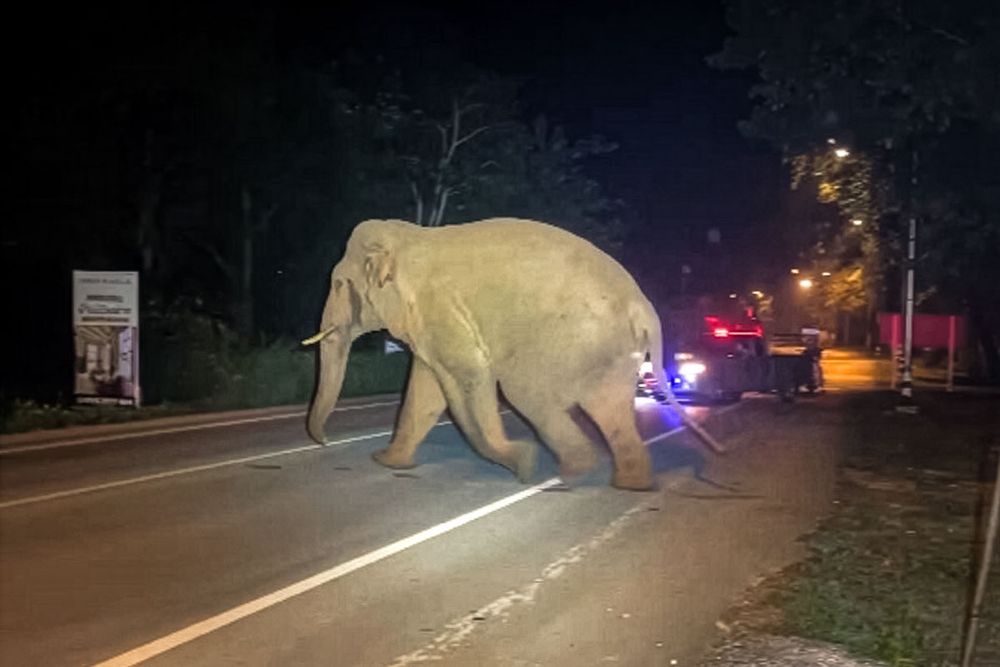
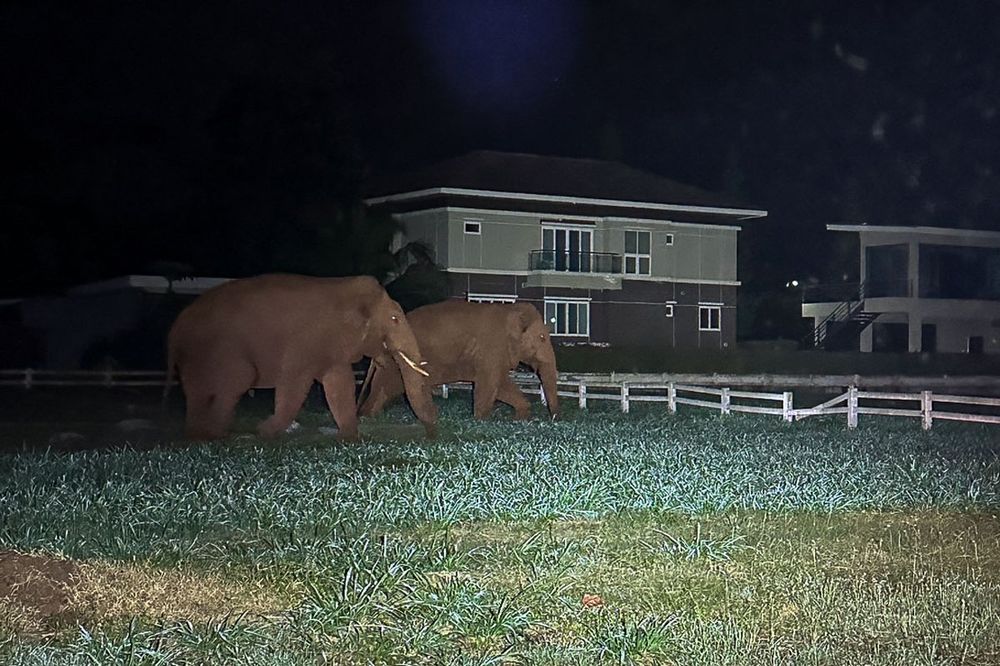
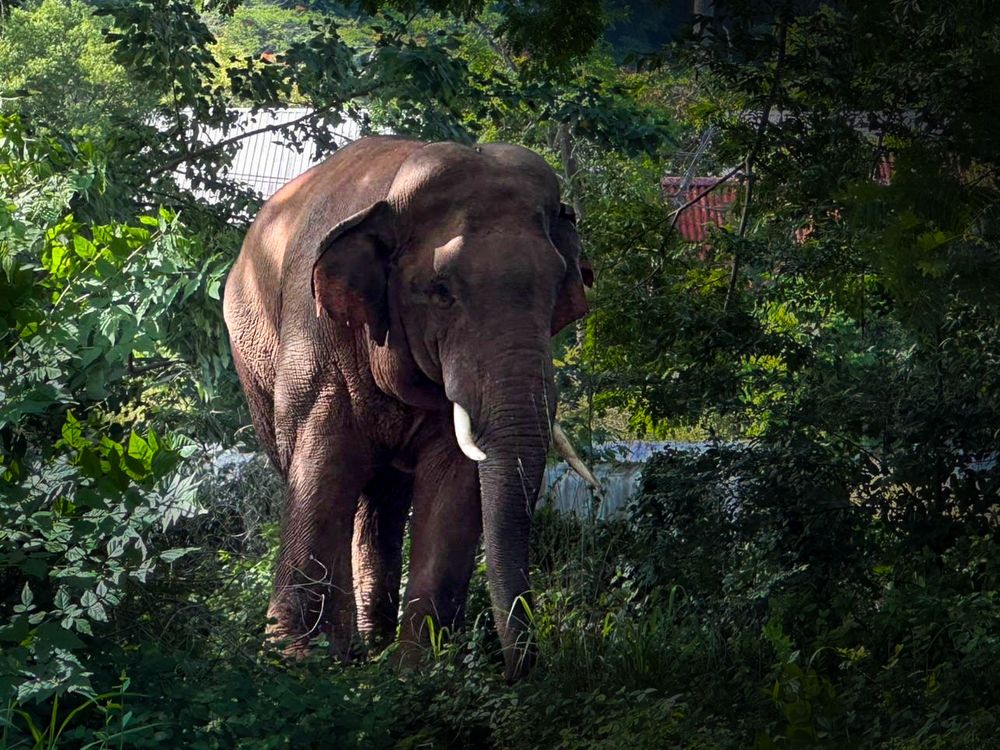
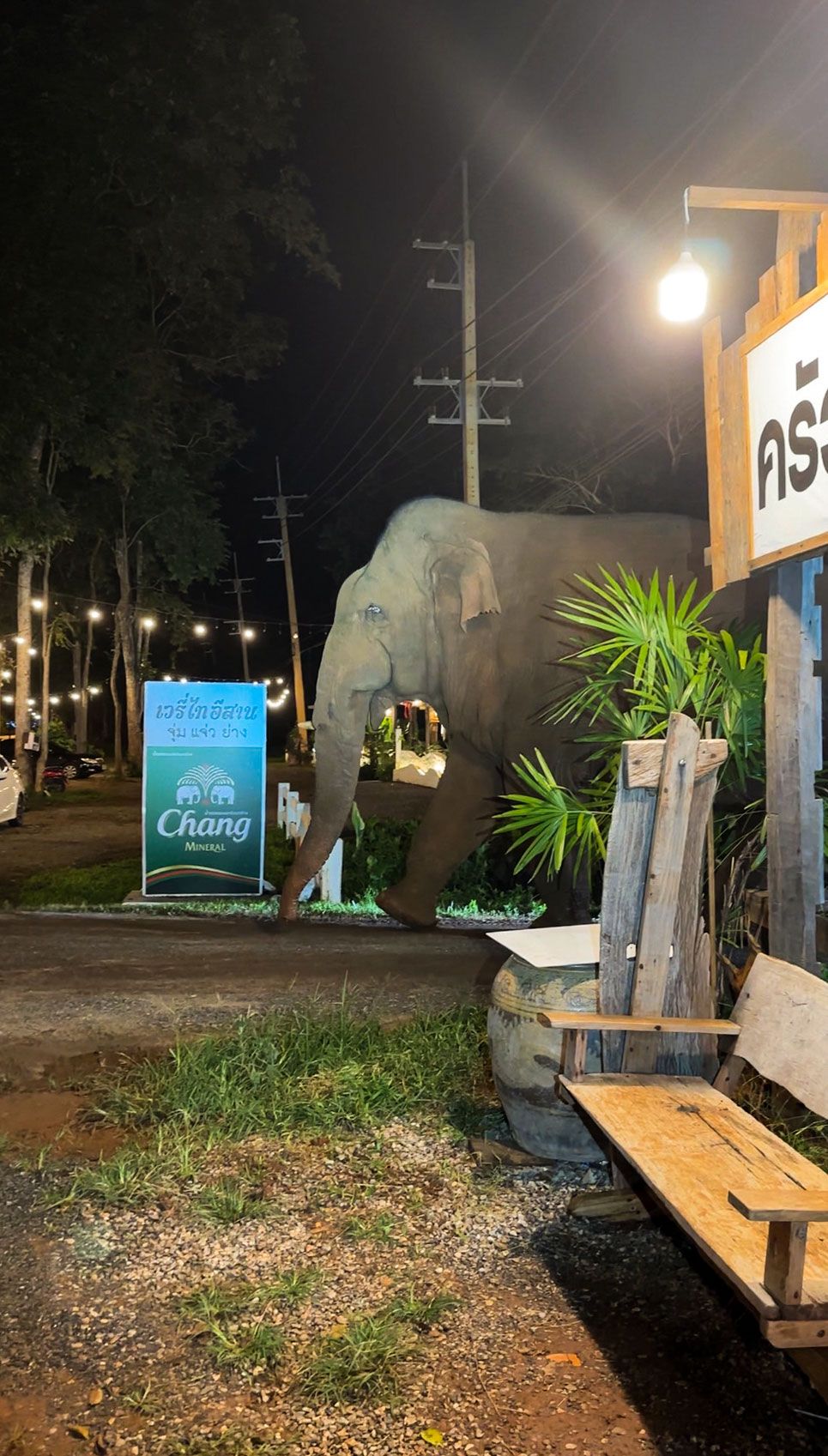
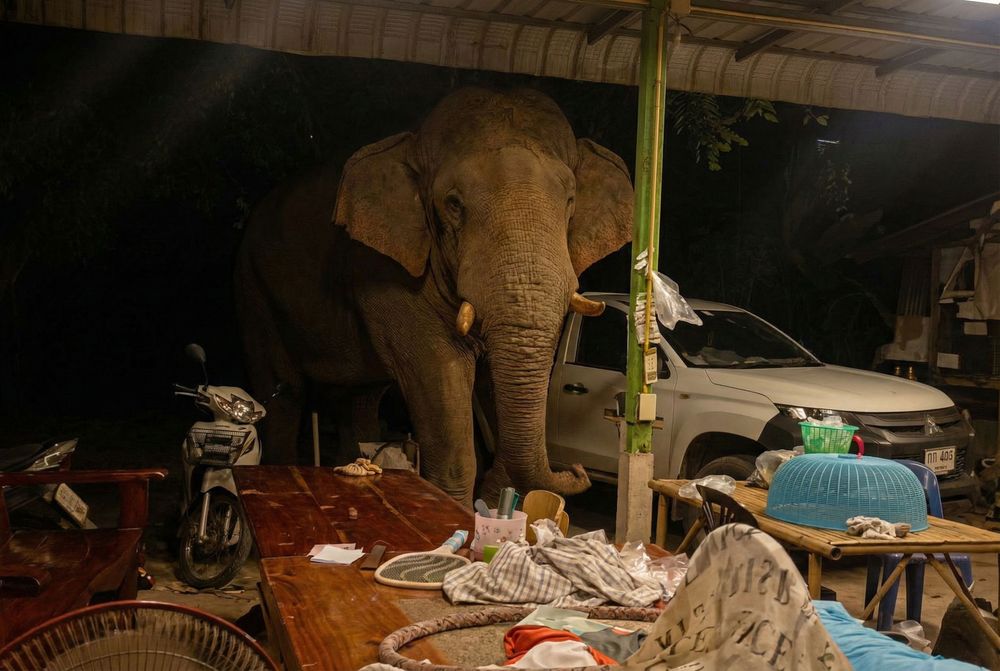
It is becoming an escalating problem as young male elephants, kicked out of their herds on Khao Yai, leave the forest to forage in communities. From a narrow radius, they have begun to expand their territory further and further. Starting from just Mu Si, Pong Ta Long, and Phaya Yen sub-districts, it was recently found that 5 elephants have wandered as far as various villages in the Nong Nam Daeng sub-district, reaching a distance less than 10 kilometers away from breaking through to Mittraphap Road.
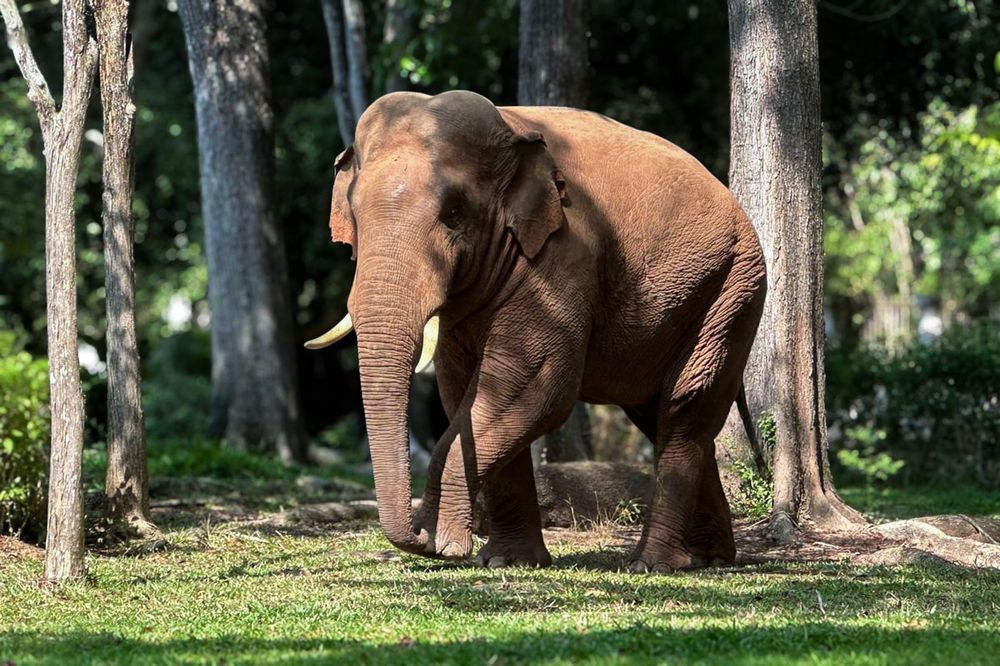
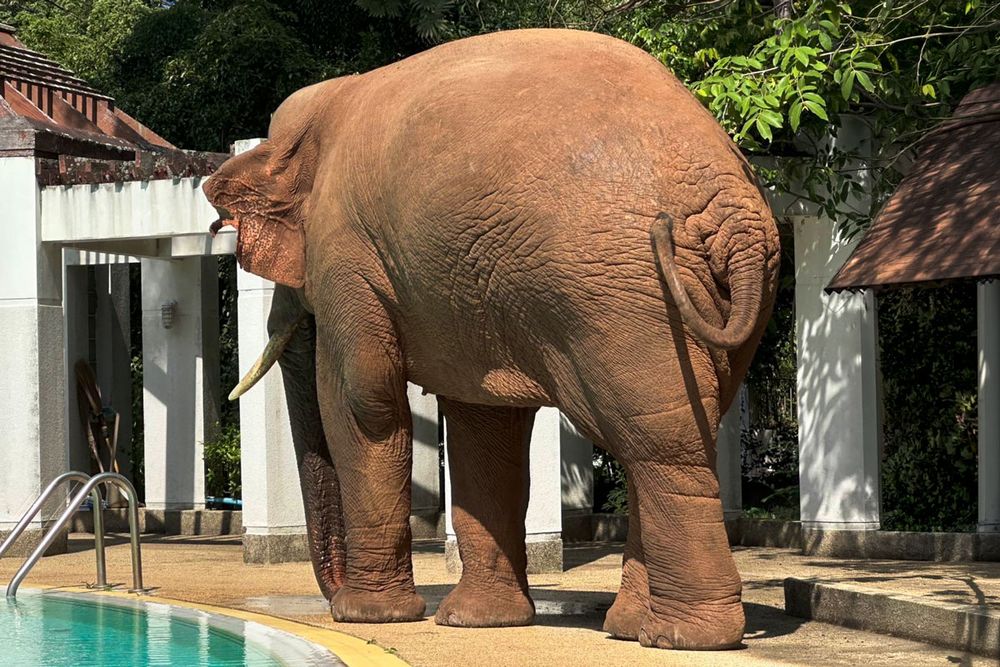
Not only do they raid agricultural crops, but the young and adult male elephants also take the opportunity to settle down and sleep in the forests near communities comfortably. At the same time, this causes panic and terror for farm owners and general villagers who fear damage and danger to their lives and property.
The problem between humans and elephants is one part, but what is starting to become more tense, overtaking the human-elephant issue, is the conflict between humans, which seems to be getting heavier. The cause stems from conflicts regarding pushing elephants back to the forest, leaving the elephant problem unresolved and dragging on.
Lacking clear joint management guidelines: A major problem that needs urgent correction
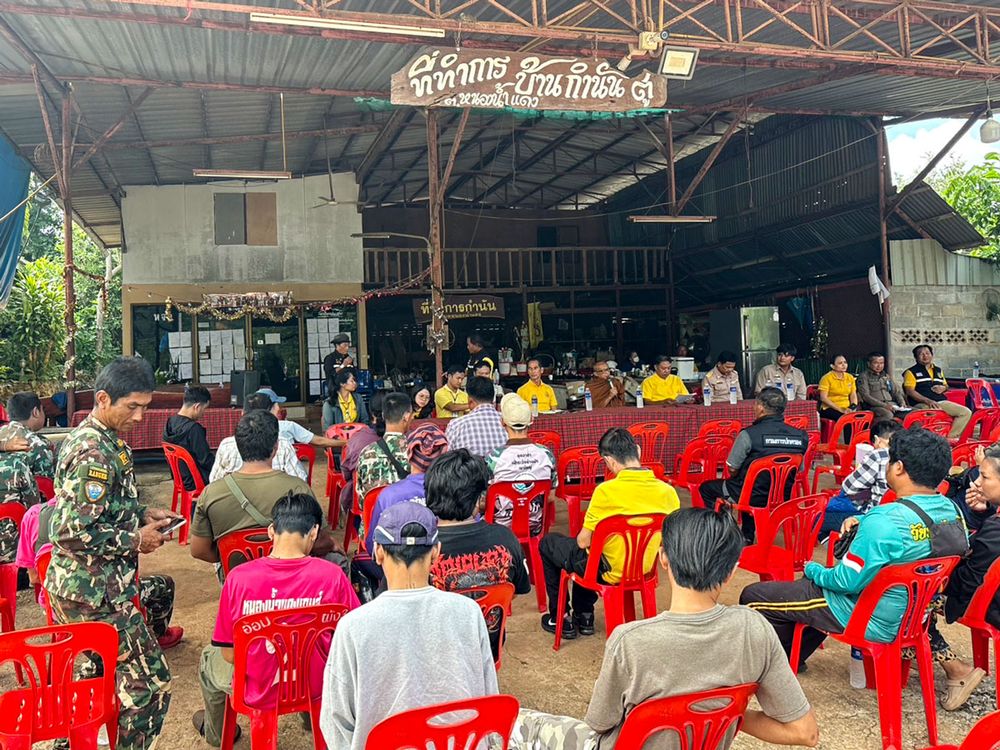
Before it is too late, it is time for everyone to turn and talk to each other. This led to a gathering one afternoon in late October. Kamnan Tu—Somsak Soma, the sub-district headman of Nong Nam Daeng—acted as an intermediary to appoint villagers from affected villages to join a meeting with relevant parties. This included Khao Yai National Park officials, the Khao Yai Wildlife and Environment Conservation Group, the wild elephant push-back volunteer team of Mu Si sub-district, and volunteer push-back teams from various villages, to find a solution together.
“The problem right now is that when we push elephants out of this village, they go to that village. It becomes a problem where villagers don't want the elephants pushed because they don't want them coming to their own area,” voiced Kamnan Tu of Nong Nam Daeng regarding the current situation.
“I am ready to work, but I want people to reduce their bias. When I chase them out of one place, I get stared at by [people in] another place. But if I don't chase them, damage occurs. I want everyone to lower their prejudice because even at 1 or 2 AM, I still come out to do this,” said a discouraged volunteer who faced resistance from Nong Nam Daeng volunteers.
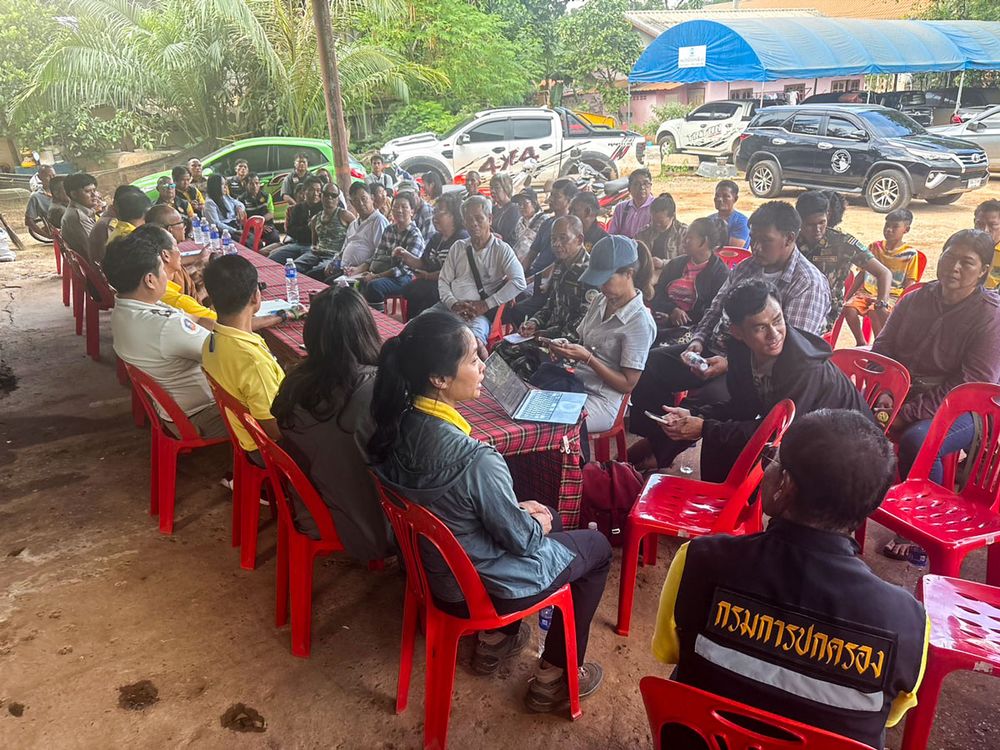
“Everyone has an ego. If so, let's do this: I propose the Kamnan be the core leader. It shouldn't be just anyone doing it because this isn't a personal problem. I want us to think of the troubled villagers. We are all working on the elephant issue; let's do it in the same direction. Let's say, wherever the elephants came from, let them go back that way. A message to the brothers and sisters of Khao Wong: if we are not united, the elephants will stay in Khao Wong because there are all kinds of fruits there,” said a village headman in Mu Si sub-district.
The myriad of opinions pouring out that afternoon reflected that the communities in Khao Yai still lack unity in managing the elephant problem. This includes a lack of clarity regarding roles and duties—specifically, who exactly should be the host in pushing the elephants back, between the National Park or the local administration—leaving each village without a direction for management.
In many places, landowners have started using violence to drive away elephants, whether lighting firecrackers, throwing ping pong bombs, or even firing guns to threaten them, just to get the elephants out of their own area without caring where they go next. This method, besides failing to push elephants back into the forest, might cause the elephants to become aggressive, leading to violent behaviors that are hard to predict in the future.
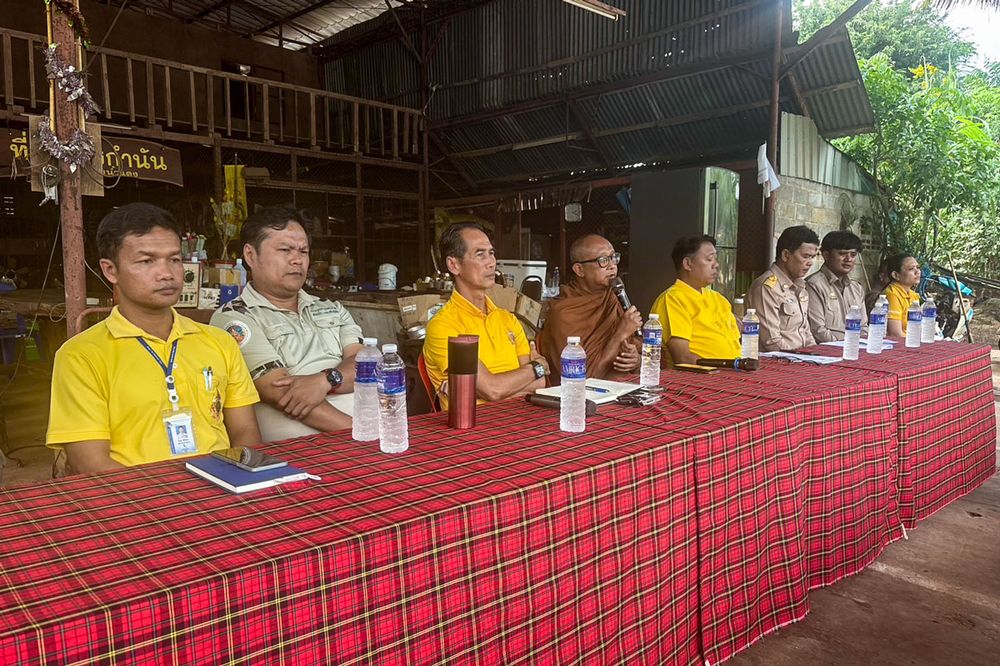
The Monk comes to the rescue: The mediator of the conflict
Phra Athikan Kampanat Sukhetito, Abbot of Wat Mu Si and Chairman of the Khao Yai Wildlife and Environment Conservation Group, spoke amidst dozens of gathered villagers, stating that the wild elephant problem is currently widening and creating conflict for the people; therefore, we must hurry to limit the problem so it does not expand further than this.
“If today 'Ai Khrae' [The Dwarf] can come here, he will bring 'Yodchai'. Once Yodchai goes back, he will bring 'Ai Chamcha'. Once Chamcha and Yodchai come, soon 'Ai Biang' will come too. Now, I understand that the volunteers of Village 5, Nong Nam Daeng sub-district, who pushed them out, don't want the elephants to return. But this is exactly where the problem lies because it's impossible. Whichever way the elephant came, it must return that way. I understand everyone loves their property, but we must come to an understanding to solve the problem in the same direction. Today is the starting point.”
Phra Ajarn Kampanat, besides being the Conservation Group Chairman, is also a victim of wild elephants because Wat Mu Si has had its walls broken into many times already.
The Phra Ajarn shared experiences from the Mu Si volunteer team with the Nong Nam Daeng villagers, stating that to push elephants back, first, we must know the route the elephants came from and their exact location. Pushing must be done during the day. If the day ends, we must stop, even if we haven't pushed them to the National Park boundary yet, because nighttime is very dangerous.
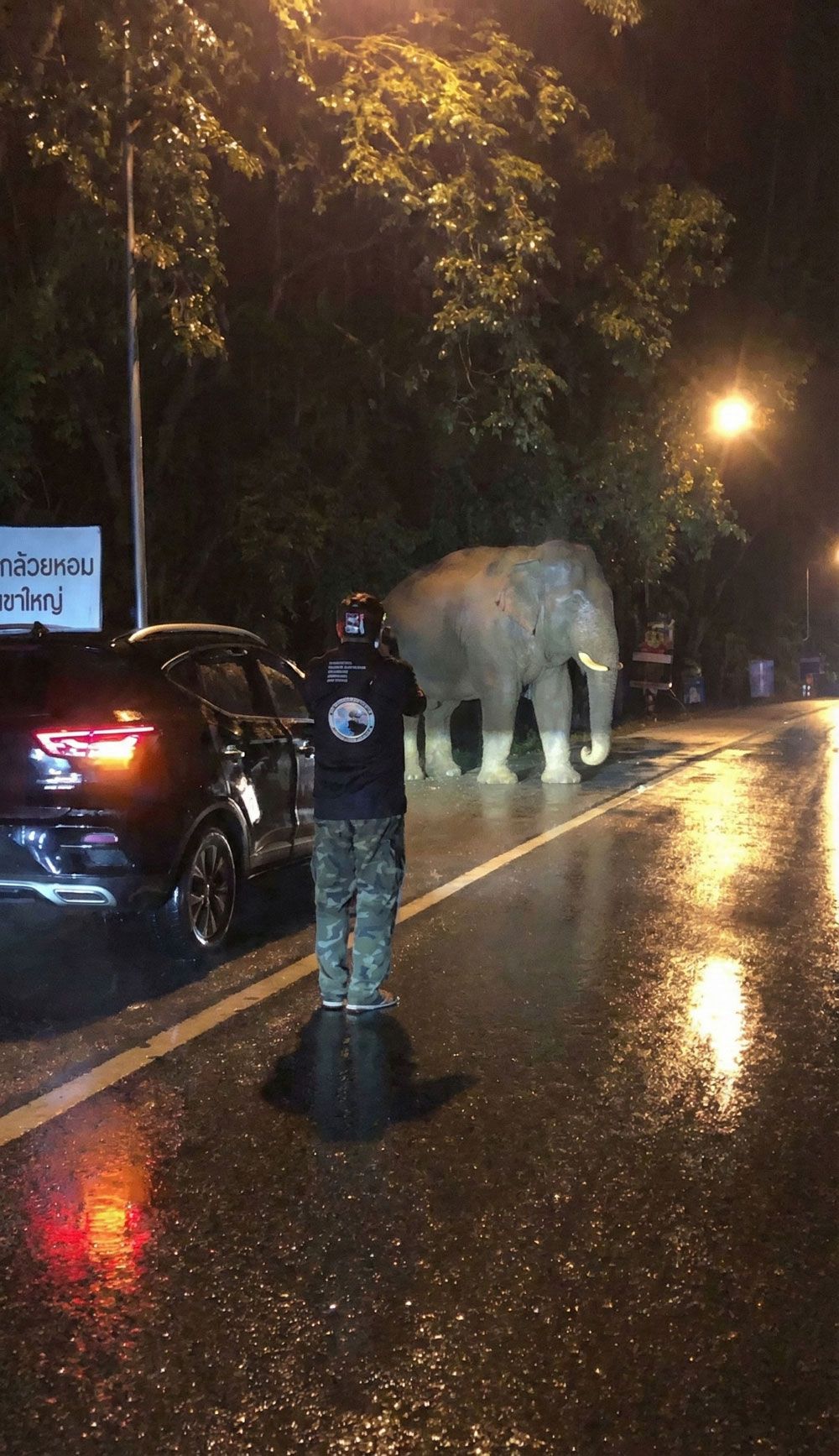
“Today, they are starting to forage in a wider circle. We must control them and get them back to the conservation area as much as possible. If we let this go on, it won't be long before they reach Mittraphap Road.”
Besides knowing the elephants' location, knowing the terrain characteristics is also very important.
“We must understand the context of the area and plan together to push them towards the natural area. We must do whatever we can to disturb the elephants so they cannot rest, making them retreat on their own. It is expected to take 2-3 days to push them into the forest area because elephants are intelligent animals.”
The push-back procedure starts with:
1. A foot patrol unit equipped with push-back gear.
2. A vehicle unit to block routes and apply pressure; tractors or cars can be used.
3. At least 5 drones (large disaster response drones).
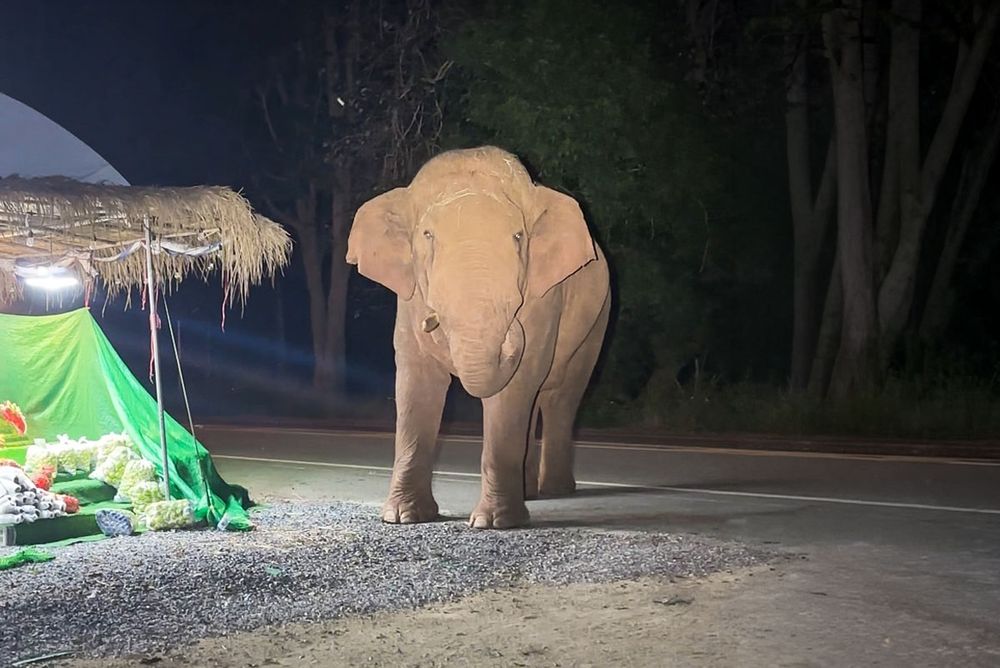
“When we know when they sleep, we must go in and disturb them while they sleep to let them know their sleeping spot is no longer safe. But we must do this systematically. The working team must meet and mark out which direction to go and how far. But success won't happen immediately according to the plan; mistakes can happen. Everything must be accounted for, and a backup plan must always be prepared.”
Although dedicating all resources might not succeed in a single day, it is the method safest for both humans and animals. However, if we are impatient and push without a set direction or use the wrong methods, unexpected events could occur.
“Right now, the elephants see us as fellow inhabitants of the world. But if one day they see us as enemies, they will come to hurt us. We probably don't want to change their behavior to view us as enemies. They have more strength than us and have good memories. Therefore, today I ask us to cooperate. I want to change attitudes and thoughts to find a unified approach, not 'my village' or 'your village,' because like that, we won't see the light at the end of the tunnel at all.”
Committee on Elephant Problem Resolution emphasizes: Decentralization law exists, local authorities can manage wildlife matters
Apart from local meetings, the elephant solution also has policy-level platforms. This includes a workshop on increasing network capacity for sustainable wild elephant management in the Dong Phayayen-Khao Yai Forest Complex, organized by the Zoological Society of London (ZSL), Ecoexist Society, Khao Yai National Park, the Department of National Parks, Wildlife and Plant Conservation (DNP), the Rak Khao Yai Group, and the Freeland Foundation. This year marks the third consecutive year it has been held.
In the first year, a joint conclusion was reached regarding elephants leaving their area and the damage to agriculture and tourism. In the second year, a conclusion was reached on agreements and an MOU on the principle of "Safe Humans, Safe Elephants, Respect Humans, Understand Elephants." Most recently, in the third year, there was a proposal to establish a wild elephant working group to jointly survey wild elephant control routes with participation, along with installing cameras at key points to warn communities.
Direk Jomthong, Secretary of the 26th Extraordinary Commission on Solving Wild Elephant Problems of the Parliament and one of the panelists, spoke about the current problem state where local authorities still lack understanding regarding their scope of power in solving wild elephant problems. From the commission's meetings, it was found that local authorities still lack understanding in both preparing wild elephant solution plans to lead to budgeting, as well as knowledge on wildlife management in many aspects.
“In no fewer than 5 meetings, we invited the Department of Local Administration, the Decentralization Committee, and the Budget Bureau for discussions. Finally, it was concluded that local authorities are not yet ready regarding various bodies of knowledge. Now, the commission has assigned the Ministry of Natural Resources and Environment to create a manual covering wildlife management knowledge, management plans, which tasks are main missions, and which are for local authorities. This manual is currently being revised. I think it will be released soon and circulated to Local Administrative Organizations (LAOs) nationwide to be informed.”
Announcement of the Decentralization Committee regarding Wildlife Management: 6 Main Topics
The Decentralization Committee to Local Government Organizations, being the main organization under the Determining Plans and Process of Decentralization to Local Government Organizations Act, B.E. 2542 (1999), has issued an announcement regarding wildlife management, consisting of:
1. Plans and Projects: Local authorities can create work plans or projects to solve problems of wild animals causing impact or distress to citizens within the area responsible by the local government organization.
2. Data, Monitoring, Public Relations: Local authorities can arrange for data collection and situation monitoring, including public relations and coordinating problem-solving and providing assistance in various aspects.
3. Warning Systems: Local authorities can organize warning and surveillance systems to prevent wild animals from disturbing or causing distress to the lives of citizens, including providing tools or equipment to control wild animals so they do not disturb or cause distress to citizens' livelihoods.
4. Surveillance Networks: Local authorities can establish or support volunteer networks to watch out for wild animals disturbing or causing distress to citizens' livelihoods.
5. Helping Wildlife: Local authorities can assist wild animals according to academic principles and may arrange for wildlife nurseries to provide assistance, treatment, and release back into nature.
6. Improving Habitats: Local authorities can care for and improve natural food sources for wild animals, providing food source areas for wild animals as necessary and appropriate.
Solving the elephant problem requires multiple mechanisms: Difficult, but must be done
“We have been through meetings like this all over the country, so often that we don't know what else to discuss, yet why does the wild elephant problem not improve? I am in the Kui Buri elephant circle. I would like to answer the question from the Nong Nam Daeng representative asking if the local authority was asked first before being told to do it, and if this is solving the problem at the end? I answer this: Most LAOs want to participate in solving the problem; they just want tools to back them up so they aren't breaking the law. As for whether it's solving the problem at the end, that is partly correct but not entirely. The root cause is we don't know when elephants are born, and we can't control birth rates. We proposed vaccines to delay birth before, but we were heavily criticized with no place to stand. Therefore, the mechanism to solve the elephant problem isn't just about elephants; we must fix the feelings of people in society too. It requires multiple mechanisms. It's hard to do, but it must be done,” said the Secretary of the Extraordinary Commission on Solving Wild Elephant Problems.
He stated regarding the local authorities' concerns about budget usage that, from the commission inviting the State Audit Office (SAO) to clarify, the conclusion is that local authorities can do it, but they must write clearly in the plan what they will do, and the SAO will audit according to that. But if it wasn't written from the start, even if the practice is good, if the budget is spent, it becomes wrong. Therefore, the plan must be written in detail from the beginning.
“We have the laws, but we don't understand the practical guidelines. Some don't understand honestly, and some intentionally don't understand because they don't want to do it. Some LAOs want to save their meager funds for their own missions and say animal issues aren't their business. But the National Park itself can't handle it because personnel are limited and missions are plentiful. Therefore, they must rely on local authorities to help. I view that small platforms like this can build understanding and lead to action immediately, but there must be mutual understanding.”
Conclusion reached on Wild Elephant Warning Camera Installation Plan; Idea pitched to establish a committee to drive the wild elephant problem systematically
From the joint survey of points where wild elephants leave the area, a conclusion was reached for 5 CCTV installation points in the first phase:
1. Upstream (adjacent to the National Park boundary),
2. Waste Separation Plant,
3. End of Soi Davinci,
4. Behind the Bee Research Center, and
5. End of Soi Ban Mai Samakkhi. The budget is set at 135,500 Baht with an annual AI service fee of 25,000 Baht. However, the process is currently in the stage of seeking budget funding from the private sector.
Another important issue causing the elephant problem to stall is the lack of a main working committee to continuously follow up.
Phra Ajarn Kampanat spoke on this matter, stating that from many meetings and forums, it was found that once the talk ends, everyone goes their separate ways with no results. Today, he wants to leave a message that we must have a committee to solve wild elephant problems seriously and continuously so that the resolution proceeds in the same context.
“The key principle is to have a working group to build a system to drive the solution to wild elephant problems, ranging from the province, district, sub-district, and Khao Yai National Park. A working group must be established. In the past, the Phra Ajarn has been with this issue for quite some time and received no response from any sector. Only the National Park cooperated. But other parts, to put it bluntly, just opening their mouths say there is no budget. Asking why locals don't write a plan when the Decentralization Act exists, locals say they don't know how to write it. The problem goes round and round. Therefore, I want a local-level problem-solving working group established so that movement can finally happen.”
While the solution to the human-elephant problem is still dim, the human-human problem is rushing in. Is it time for all parties to cooperate to solve the problem seriously and continuously? Otherwise, the peaceful Khao Yai might one day face the terror of a time bomb that none of us want to happen.
© 2025 Khaoyai Connect. All rights reserved.
No part of this content may be copied, modified, or distributed in any form without prior written permission.
