

Xinbo-Yongchun
Two Surinrachara Award 2025 Laureates Who Sculpt Bridges of Culture Through Letters
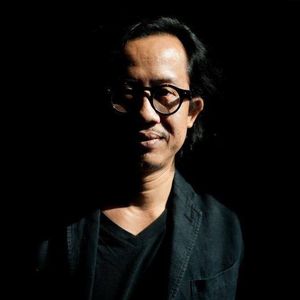
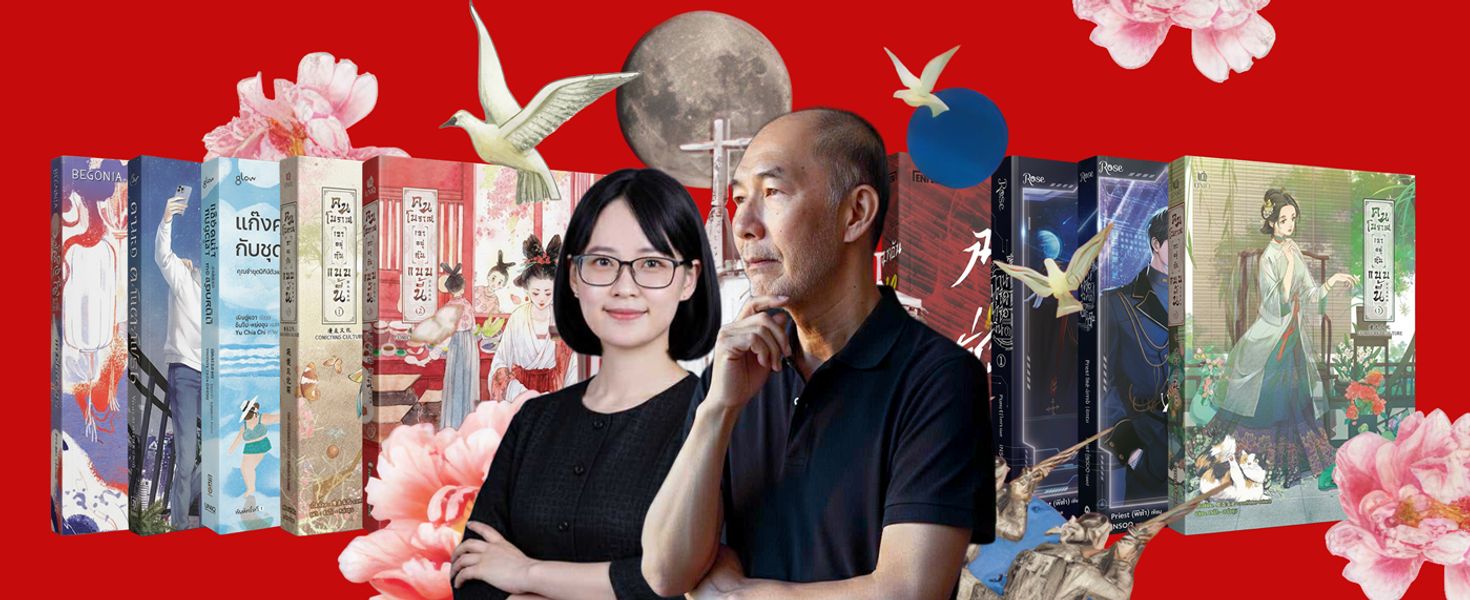
On a late afternoon at the beginning of winter (or so the weather forecast claimed), the soft chatter of customers in a tea shop in the Tha Phae area was instantly cut off by a noise-canceling microphone as the recording app was pressed. Sitting before me are "Yongchun" and "Xinbo," the translation duo who just recently won the Surinrachara Award for 2025.
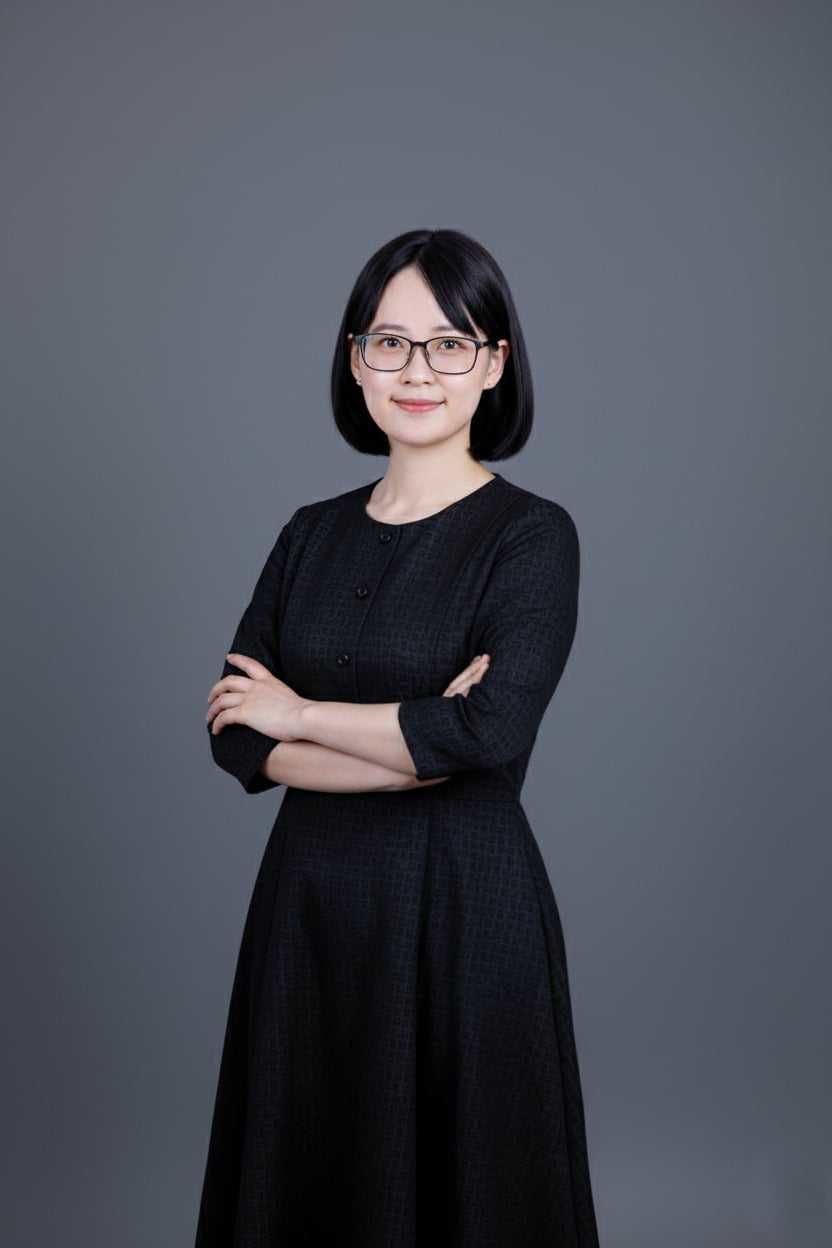
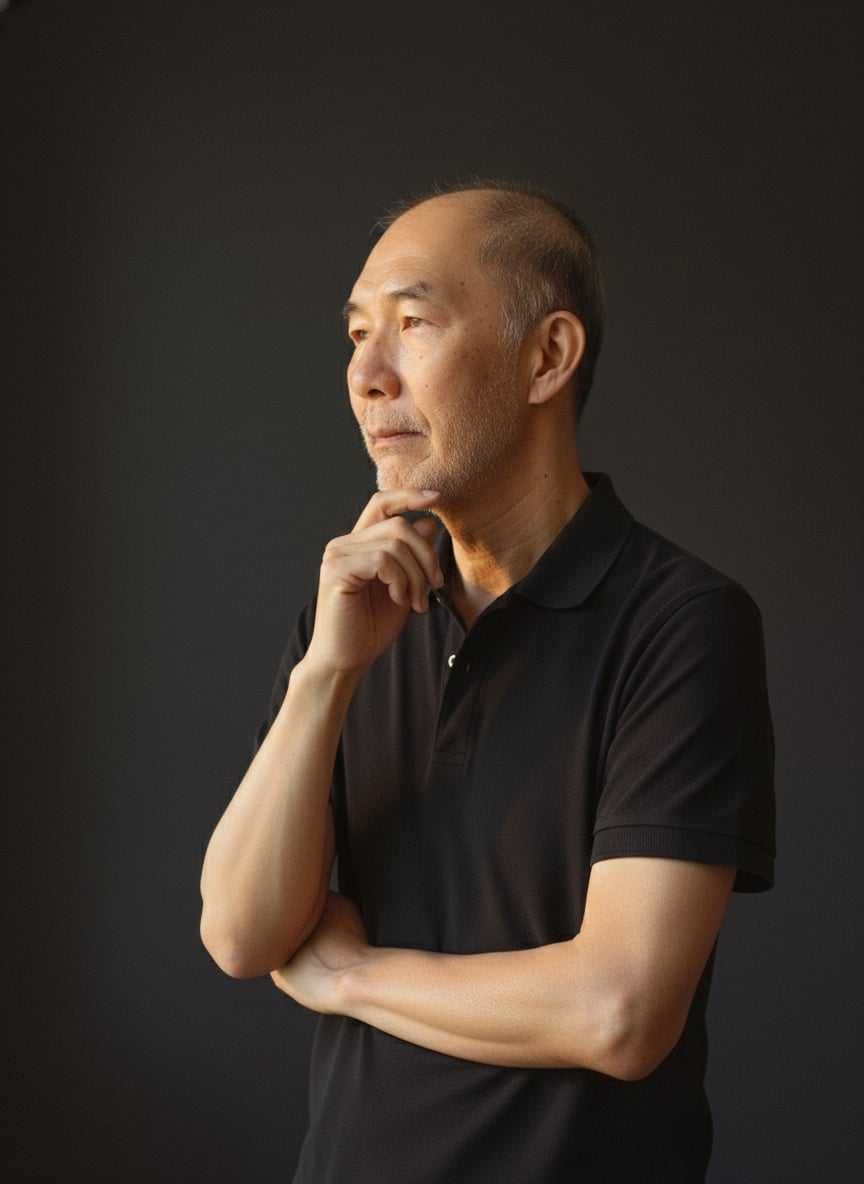
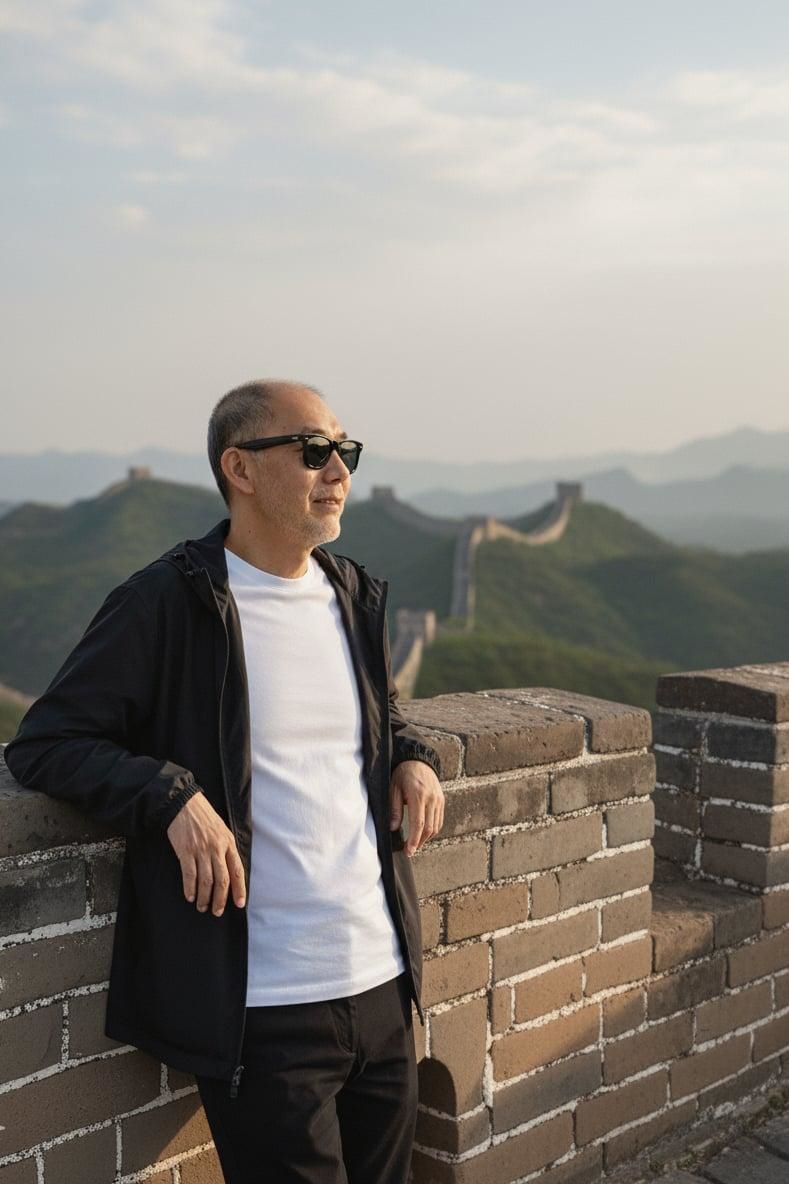
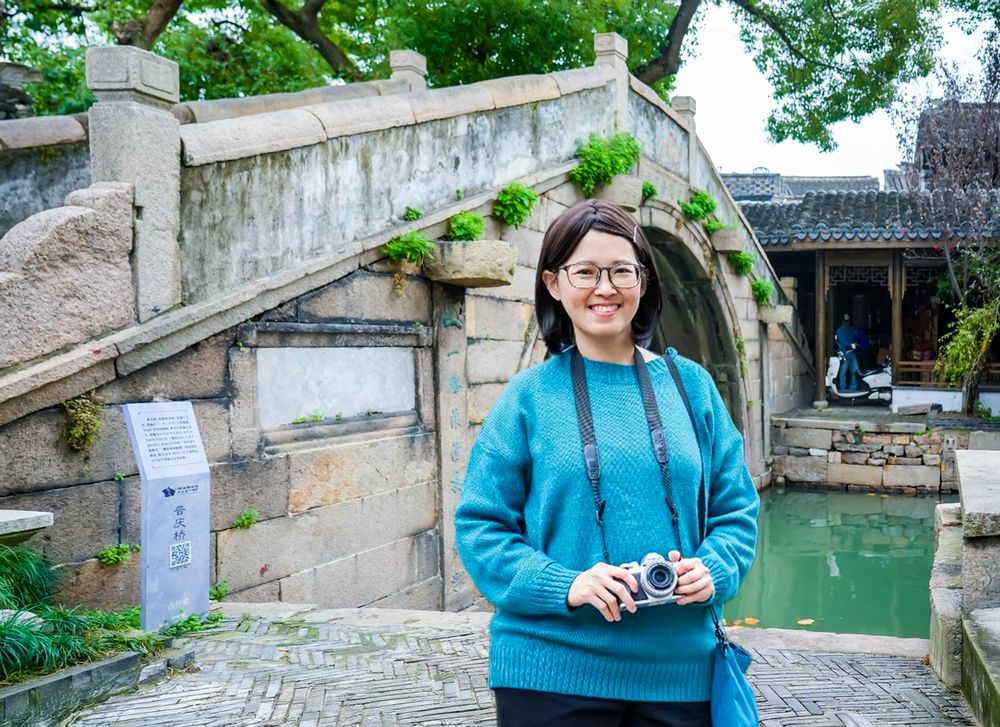
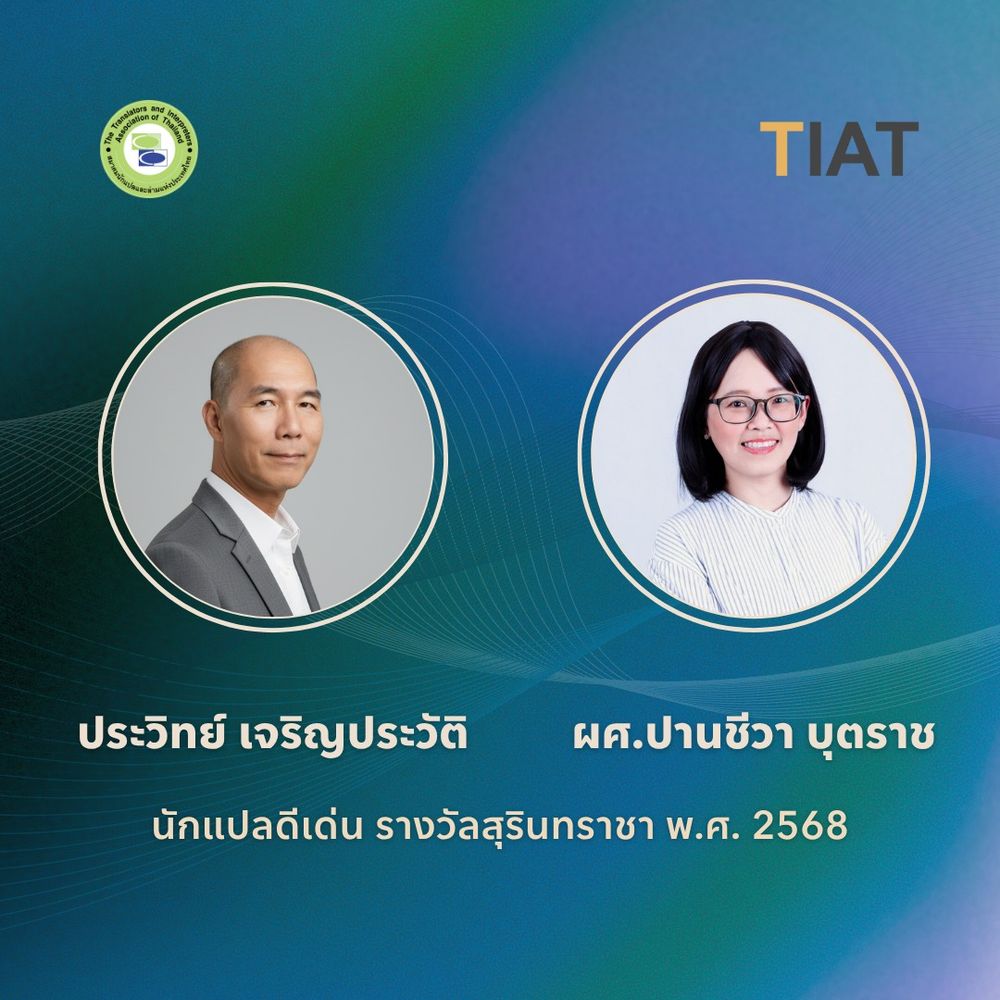
"Yongchun" is the pen name of Panchiva Butrach, an Assistant Professor from the Department of Chinese, Faculty of Humanities, Chiang Mai University.
"Xinbo" is the pen name of Prawit Charoenprawat, a professional translator.
……..
I wanted to start this interview like this: traveling to meet them in person, talking in a friendly atmosphere, both as friends and as an editor and translators. If possible, I wanted to meet at a guesthouse in the middle of Chiang Mai's old city, or perhaps escape the hustle and bustle, weave through the crowds, and sit down for a Northern Thai meal at Huen Phen Restaurant, reminiscing about the past while congratulating them on this major milestone in their translation careers over Gaeng Hung Lay and Jor Phak Kad.
But with overwhelming missions stealing almost all our time, we had to borrow time from online communication channels to send messages and talk. Because in this kind of space, time is unlimited. They can answer whenever, without rush. They have time to be thorough and concise, time to think before typing out their replies. Which, come to think of it, seems suited to these two translators who, I have a feeling, are both introverts, more or less.
The many advantages of this kind of text-based interview also allow us to pretend not to know each other well in certain matters, and it doesn't seem too frivolous. There's a more polite distance between us.
And this is our conversation in text, which readers are free to interpret as seven parts truth and three parts fiction, as everyone's beliefs are different. Personally, I just hope everyone enjoys it and finds it entertaining, more or less.
The Starting Point of Two Translators
"I started by translating news about Chinese, Hong Kong, and Taiwanese celebrities during their golden age," Xinbo recalls, his voice steady yet painting a sharp, clear picture. "Back then, I was working as a translator and interpreter for a Chinese company, translating information, news, PR documents, and screenplays for filming approval. Later, I translated Chinese entertainment news for newspapers and magazines, all those drama synopses, and even wrote a column for learning Chinese from songs."
Yongchun laughs. "I used to be a reader of his column. A true prehistoric creature."
She started by translating English first, then switched to Chinese, working at a translation company in the Sathorn area.
"I translated everything, from car manuals to debt collection letters. It wasn't until around 2004–2005 that I started translating books seriously."
Both walked paths they never thought would converge, but one thing they had in common was a "saturation" from traveling in the big city.
"I wanted to stay home, to be able to translate from home," Xinbo says simply.
Yongchun adds with a laugh, "We were 'Work from home before it was cool,' truly. From Bang Khen to Bang Rak every day. I'd read rented books during traffic jams. Pick one up in the morning, return it in the evening because I'd finished it."
And that was the beginning of their resignation to become full-time freelance translators.
When Two Names Appeared on the Same Book Cover
As translators... their first collaborative work wasn't a book, but translating an online game based on a novel by Jin Yong.
"The story and characters were all there," Xinbo says. "We divided the work, creating a glossary from that point on—character names, specific terms, building a database for future use."
"No one taught us. We learned purely from the work and from our mistakes," Yongchun adds.
And this systematic approach became the foundation for their larger book translation projects later on.
A key turning point was when a fellow translator invited them to translate novels during a market transition period.
"At that time, Chinese novels were shifting from martial arts to other genres," Yongchun explains. "This was before the Jamsai era, before the 'More than Love' imprint even existed. Back then, it was still called the 'Asian Love series.' Can you picture the dinosaurs flying by? (laughs)"
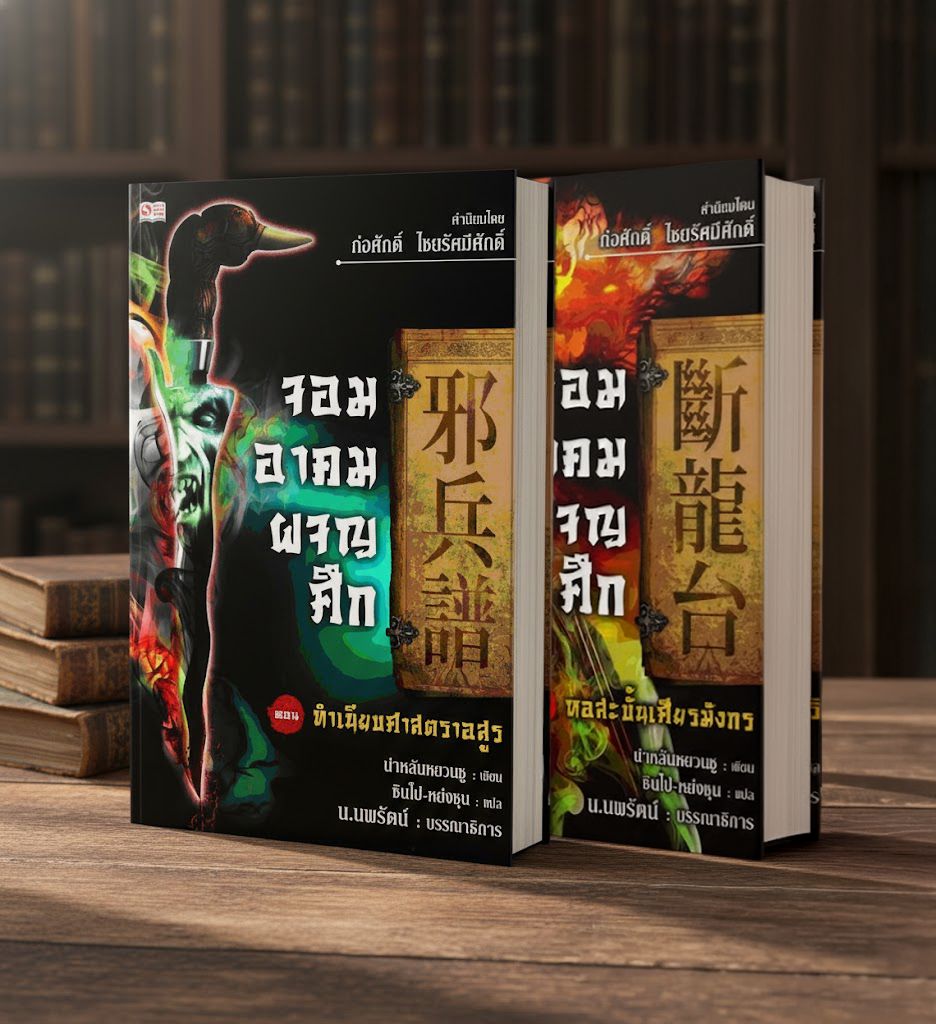
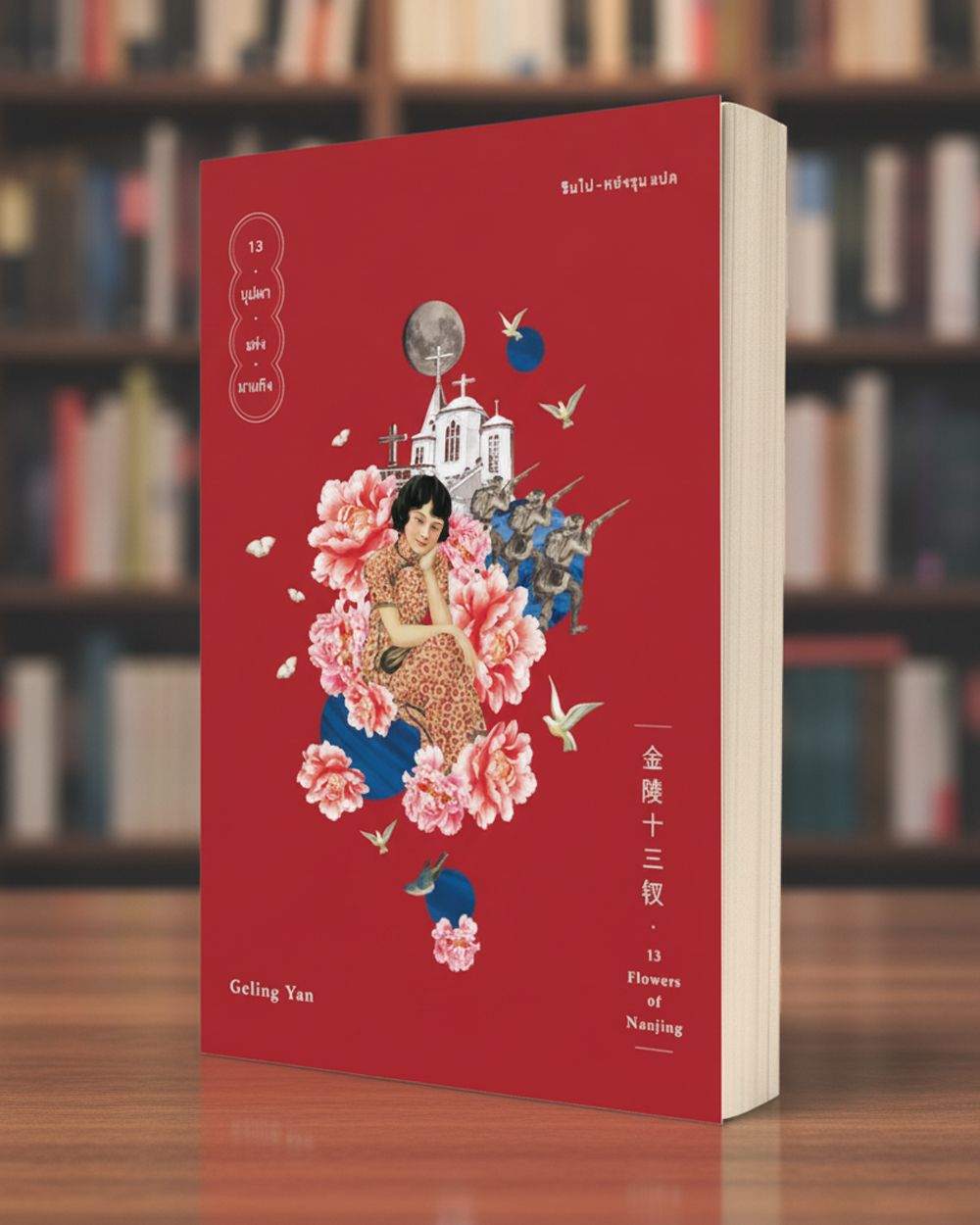
It wasn't until the work The Dragon-Head Severing Tower and the Demonic Arms Directory was published that the names "Xinbo-Yongchun" appeared together on a cover for the first time.
"Seeing our names paired up... yeah, it worked. It sounded like the name of a traditional Chinese pharmacy," they both laugh simultaneously. The laugh is soft, tinged with a mutual affection forged through work and time.
Two People Who Understand Without Needing Many Words
"We're on the same page. We can trust each other," Xinbo says succinctly when asked why they've been able to work together for over 20 years. "I don't really like meeting a lot of people. It's better to have Khun Chun be the one to contact the publishers."
"Actually, we're both introverts," Yongchun laughs. "But someone has to take on the duty of meeting the world. It's good that we have different strengths. He has a much deeper understanding of classical Chinese. To this day, if anyone asks who is better, I can answer immediately: 'Khun Xinbo is m-u-c-h better than me.'"
Xinbo smiles, accepting the compliment. "It's more that we each have strengths that complement the other's weaknesses. Yongchun reads more widely than I do, so her vocabulary range in both Chinese and Thai is broader. Another thing is she has many friends and people who are kind and willing to help. The Xinbo-Yongchun page—Yongchun is the one who posts content and answers readers' questions."
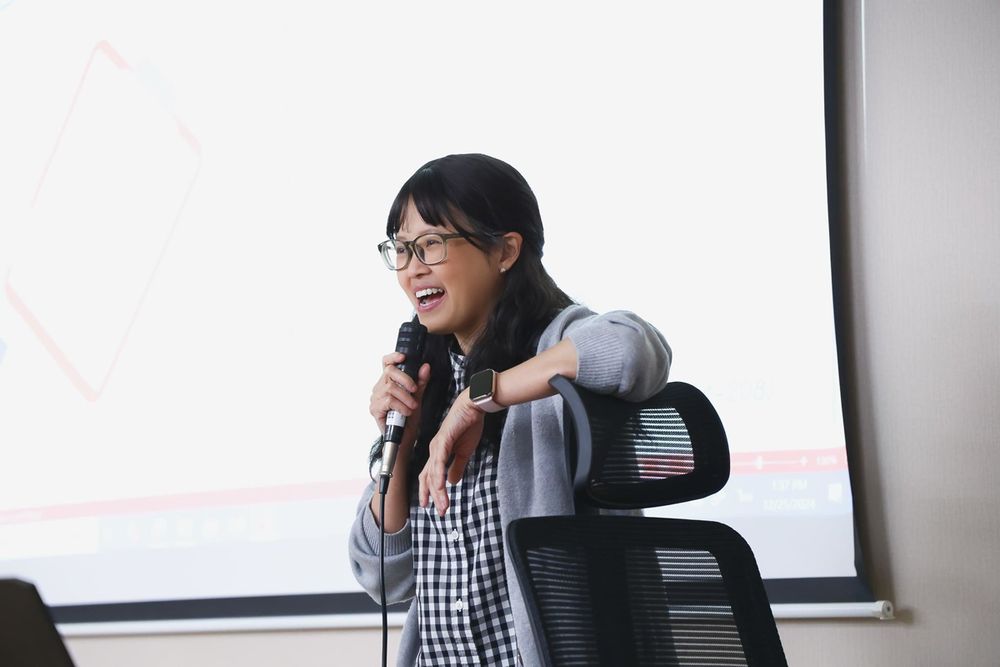
"I take on the role of marketing and customer relations, you see," she laughs. "Translation is a lonely job. You turn around and see only the cat, the manuscript, and the other translator. The page helps us hear the readers' voices, get feedback, and find encouragement."
The Translation Process and Listening to the Story's Voice
When it comes to their work process, they both say the same thing: "Whatever the narrative voice is, we convey it as such."
Yongchun explains, "Back when I started, I didn't know anything about translation theory. I just thought simply: read it, then summarize. Who did what to whom, where, when, how? What's the main theme? What's the setting—past, present, future? Is it the real world or a fantasy one? Or seven parts truth and three parts fiction, like Romance of the Three Kingdoms? Whose voice is narrating? It was only when I went to grad school that I learned, 'Oh, this is called narrative structure.'"
Xinbo adds, "In the old days, when translators pitched a book, they had to write a detailed explanation of the content, the intention, the target audience, whether it would sell. It trained us to see the big picture of the work clearly, which makes the actual work easier."
They divide the work based on the rhythm of their lives. Sometimes 50/50, sometimes taking turns proofreading. And "Yongchun" is usually the one to do the final proofread before submission.
"Because she is meticulous," Xinbo says briefly. But those few words carry more weight than lengthy praise.
When asked how they handle disagreements:
"We talk," Xinbo answers simply. "But it's rarely about interpretation. It's usually about defining terminology."
"Sometimes we ask fellow translators or editors," Yongchun says. "We rarely have conflicting opinions. But if I get a bit annoyed, it's only about him insisting on writing notes about problems using only a reflective-colored Tahoma font."
Her teasing tone sounds not unlike a cat with its ears slightly flattened, tail swishing slowly.
Translating Language is Translating Life
Translating Chinese often involves hidden culture and emotions within the words.
"The most important thing is to listen to the voice of the storyteller," they both say. "If you misread or misinterpret that first voice, everything else has a chance of going off the rails."
Yongchun has a habit carried over from her other profession: she likes to add footnotes, which can sometimes seem a bit too academic. But she admits, "I try to make them as concise as possible. I don't want to interfere with the reader's imagination."
Perspective on the Translation Industry
Two decades for Yongchun, four decades for Xinbo. Not too long, but not short either. If they were a person, they'd be growing up, experienced, and full of vitality. Looking back, they see the changes in the Thai translation scene, an arena they have both been active in.
"On the Chinese translation side, the number of publishers doing Chinese novels has increased, many times more than when we started translating books. There are probably still translators who find good books and pitch them themselves, but most publishers nowadays have their own readers, people who select the titles. The types of stories sold in our market are also more diverse. Readers have more to choose from. A portion of the translators grew up together; we've known each other until we're old." It's as if they rehearsed this, because Xinbo always answers first.
"There are many new-generation translators, which is a good sign for the industry that it can continue. Another thing is that online novels are a section that's growing and growing. I tried working on one once because I wanted to know what the process was like. I ended up quitting because time and physical health didn't allow for it. As someone who also teaches, I feel there's still space, still a future for Chinese-language students who want to work in translation. It just requires timing, and you have to do the work to prove your skills, amidst a market competing against both people and AI," Yongchun adds.
From the Dictionary Era to the AI Era
When asked about technology and AI, they both laugh before offering the most vivid analogy.
"Have you read the Doraemon chapter about the Translation Jelly? AI is like that jelly. It can decode all the meanings, but you still need someone to eat the jelly," Xinbo says. "Technology still needs a human to check it. Otherwise, the risk of error is high."
Yongchun adds, "It's like paper dictionaries evolving into electronic dictionaries, then CDs, and now online search. Translation tools are just a right hand helping the translator. True, we now have TM (Translation Memory) or translation machines, but the quality remains to be seen. Will you spend more time fixing it than translating it yourself?"
She also mentions contract clauses that are beginning to explicitly state, "do not use the original manuscript to train AI," and then laughs softly. "No one would be foolish enough to commit suicide like that, right?"
Humans Translate, Humans Feel
"Translation is about sitting inside the author's heart," Yongchun says slowly. "Breathing the same air, using the same worldview. Like they say, being a medium. And channeling the author's spirit to manifest in another language."
She looks up and smiles. "So I don't know how a digital entity, void of emotion, can pull out an author's heart. My personal opinion is that literature written by humans deserves to be translated and conveyed by fellow humans. Digital tools are conveniences that make the transmission faster and more convenient."
Xinbo laughs. "But if the future has AI authors, then we can probably have AI translators, too."
Yongchun immediately picks up the joke. "In that case, a publisher might be named 'True AI Literature Must Be Written and Translated by AI,' right?" (Note - A joke referencing the book title Real Literature Must Be Written by a Computer, Don't You Know? by Ror Ruea Nai Mahasamut, which Yongchun likes.)
I can sense the humor in their written replies, and there must have been soft laughter accompanying them—a laughter that closes a chapter of a novel with perfect timing.
On the Shoulders of Literary Giants
This year, "Xinbo-Yongchun" received the prestigious Surinrachara Award.
"I'm happy that people have been reading our work for these past decades," Xinbo says simply, but his eyes are warm.
Yongchun adds, "The day we went to receive the award, I met the 'masters' I had always revered from the page. Many of them said they had read this or that book of ours. I was so deeply moved. We grew up on the shoulders of these literary giants, reading and learning Thai through their exquisite translations."
She pauses for a moment before continuing softly, "This award will probably be an inspiration to my students and many other readers as well."
The Voice Passed On
When asked what Phraya Surinracha would say if he saw their work:
"He would probably be shocked speechless seeing the triple-monitor setup, the mechanical keyboard clacking like popping corn, the adjustable-height desk. He might think, 'Why so much equipment?'" After answering, they both laugh together before the topic changes to the voice they pass on to the next generation of aspiring translators who are asking for directions on this path.
"Maintain your health. Be disciplined about exercise. Make it a habit. When it's time to rest, you must rest. If you're still young, you might not feel it; you can pull all-nighters. But when fatigue accumulates, your body will protest. Your wrists or eyes will break down. We don't have spare parts. Most importantly, read a lot. Read widely. Build your own vocabulary arsenal by studying the work of others."
Language is a Bridge, Understanding is the Light Cast Through Letters
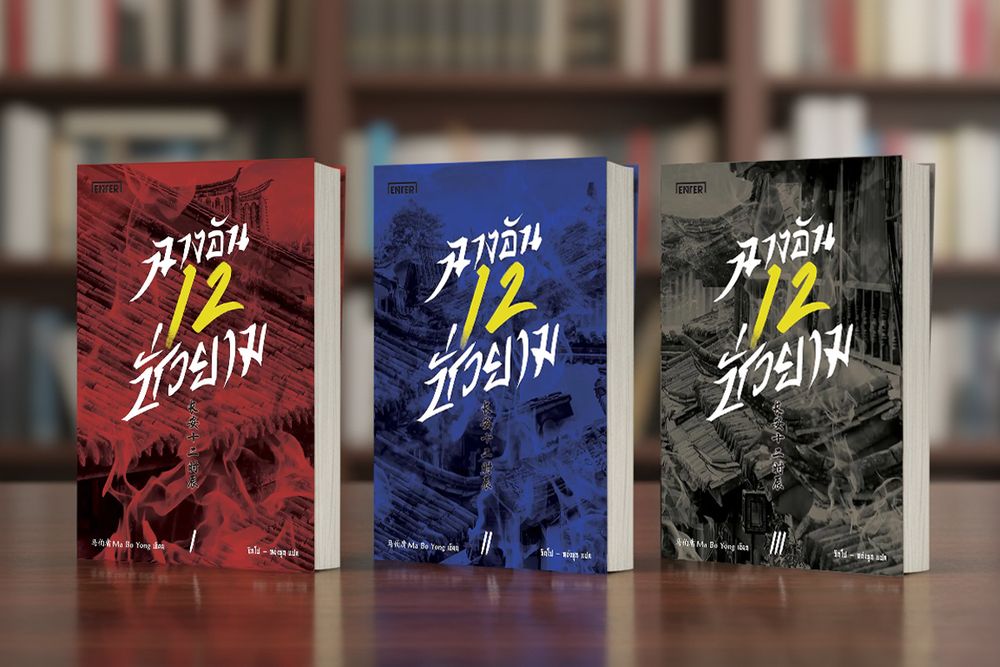
If they had to choose just one book that reflects who they are, The Longest Day in Chang'an is their unanimous answer.
"This story is rich with the genres we love: action-packed, strategic planning, betrayal, drama, psychological pressure, questioning ideology and beliefs. We had so much fun translating it; it was so satisfying. We should explain that the books we translate aren't always a style that both of us enjoy. Yongchun likes historical fiction. She doesn't like stories where animals die. Humans can die by the hundreds, that's fine (laughs).Xinbo doesn't have a particular favorite genre, he just dislikes work where the author uses prolix or verbose language. The problem is that many Chinese internet novels come in this style."
"I don't like verbose language," Xinbo emphasizes. "But this work wasn't like that at all. He wrote it really well."
"Some Chinese internet novels just flow endlessly, full of plot holes and fragmented characters, with poor descriptions. The Longest Day in Chang'an is not like that at all. Whether you look at it from a plot-based or character-based perspective, Ma Boyong wrote it well. The work is complete. We both grew up with books from the era before Chinese internet novels, so reading it felt fulfilling. We had fun with the author's narrative and got into it."
When work is life, their schedules still include "a translation that's never finished being revised" and new work still in manuscript form, queueing up. Which means readers will continue to have good work from them, as they channel the spirits of authors to translate great works.
"It's still historical fiction," Yongchun smiles. "Once it takes shape, we'll update the page. There are many books I want to read and translate, but time is so limited. There's a line from a Chinese song that goes, 'Ren sheng duan duan ji ge qiu' (人生短短几个秋) — 'A person's life is but a few short autumns.' --- We just want to use this short time to continue doing the work we love."
© 2025 Khaoyai Connect. All rights reserved.
No part of this content may be copied, modified, or distributed in any form without prior written permission.
