


Khao Yai Moves Towards Muslim-Friendly Tourism
with a Collaborative Hospitality Model

Understanding our differences is an essential foundation for living together peacefully as fellow human beings.
Yet a lack of understanding of our diverse beliefs, particularly religious differences, can build formidable barriers that needlessly close off opportunities between people.
Although Muslims are a minority in Thailand, the global Muslim travel market is substantial. Pew Research Center estimates that there were around two billion Muslims worldwide in 2020, accounting for 25.6% of the world's population.
With numbers on this scale, many countries clearly see an opportunity for tourism businesses. The question is how we can seize that opportunity without adequately understanding Muslim travellers and their different needs.
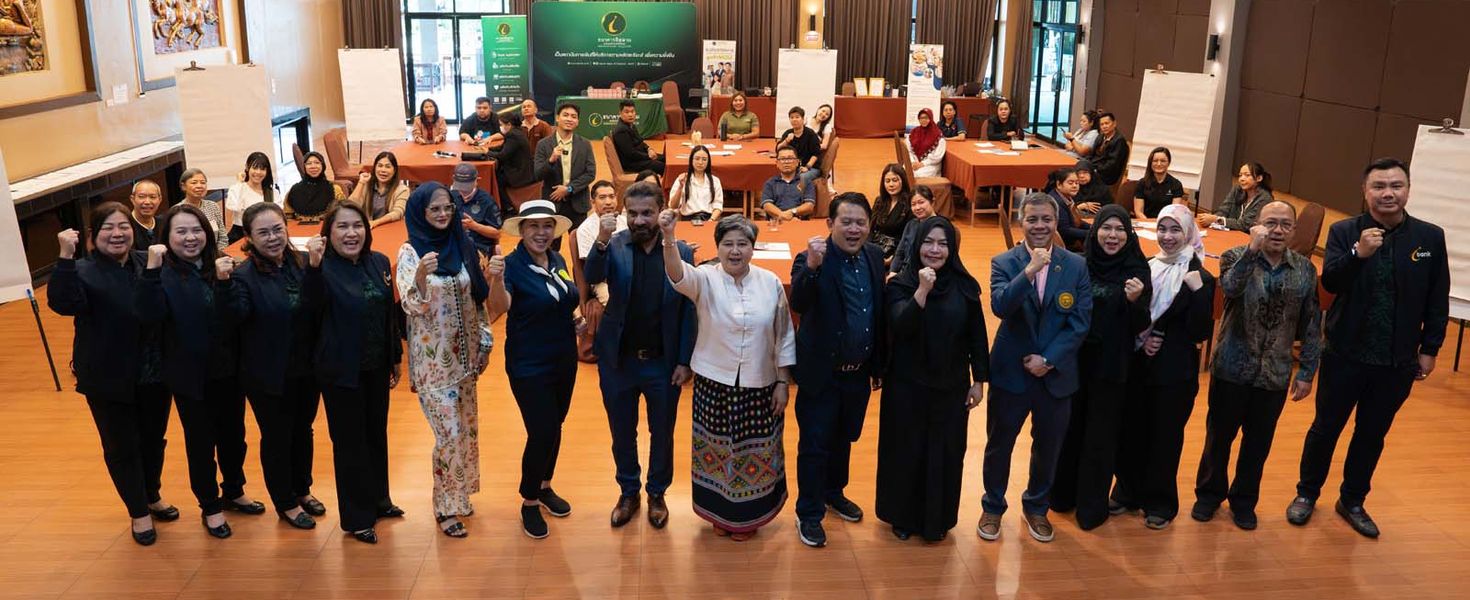
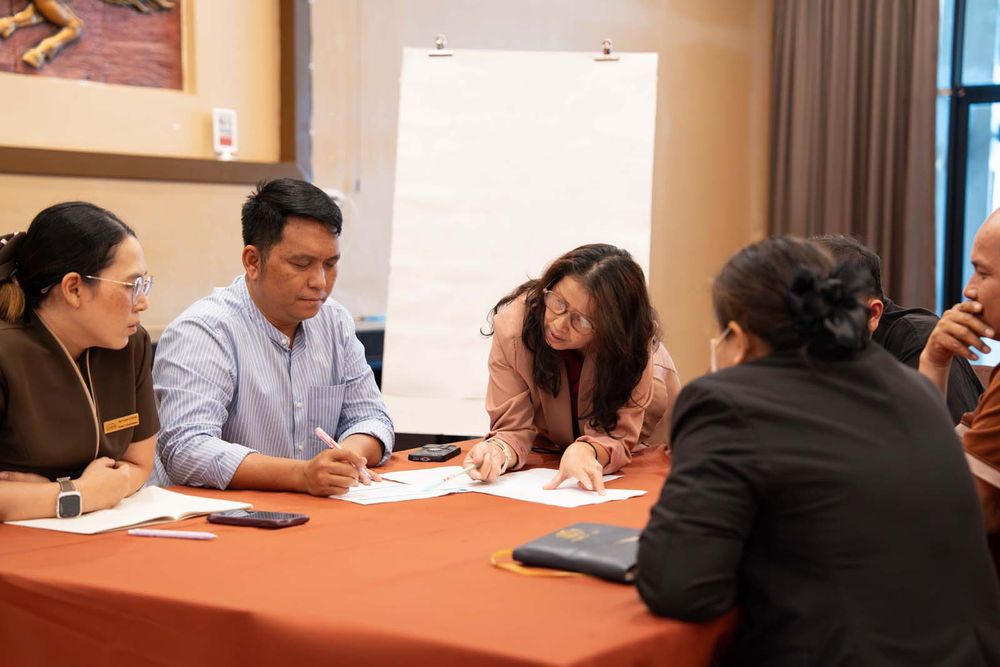
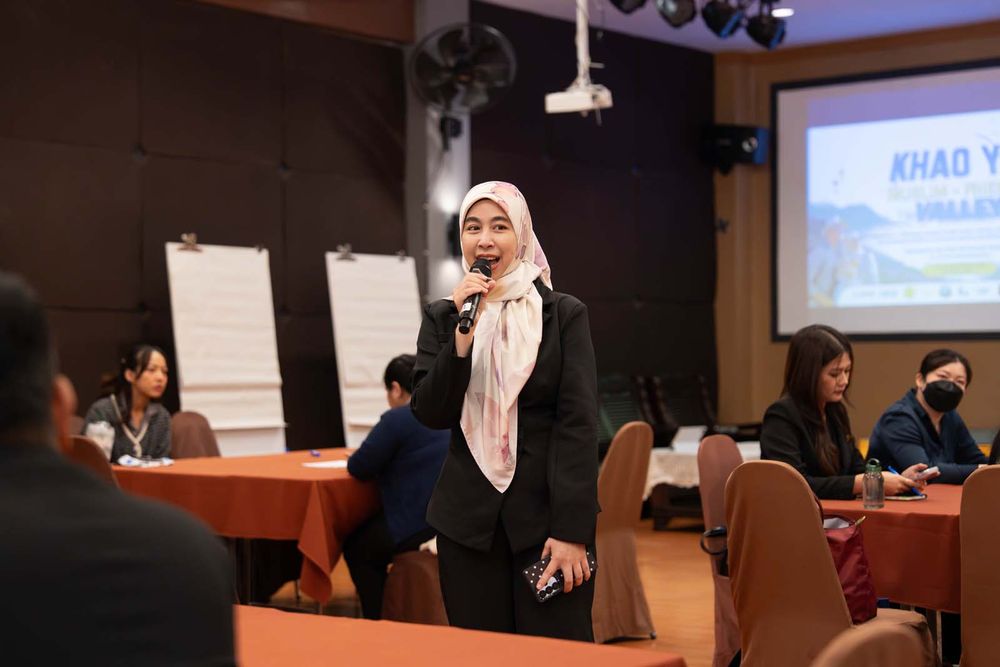
On 30 October 2026, the Khao Yai Tourism Association joined the Thai Muslim Trade Association (TMTA) to hold a workshop for local tourism and hospitality businesses, including hotels, resorts, wellness and spa operators, restaurants, cafés, attractions and souvenir shops. More than 40 businesses registered. Held in the conference room at Grandsiri Resort Khao Yai, the event also announced the “Khao Yai Muslim-Friendly Valley” declaration. It introduced businesses to GMHI by TMTA and helped them understand Muslim travellers' behaviour, needs and the practices essential to serving them.
The Muslim Market A White Ocean Opportunity for Thai Tourism
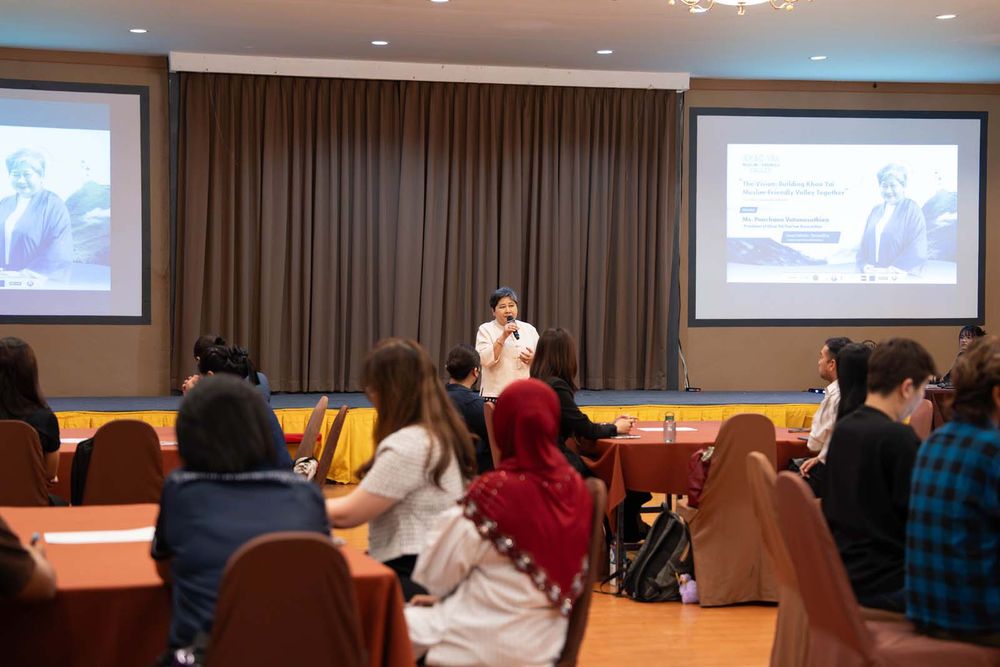
Discussing the workshop, Teté—Panchana Vatanasathien of the Khao Yai Tourism Association—said businesses needed training in Muslim-friendly tourism because this market represented a new “White Ocean” of opportunity. Understanding religion and culture, including what to do and what to avoid, would help create positive experiences that inspire recommendations and repeat visits.
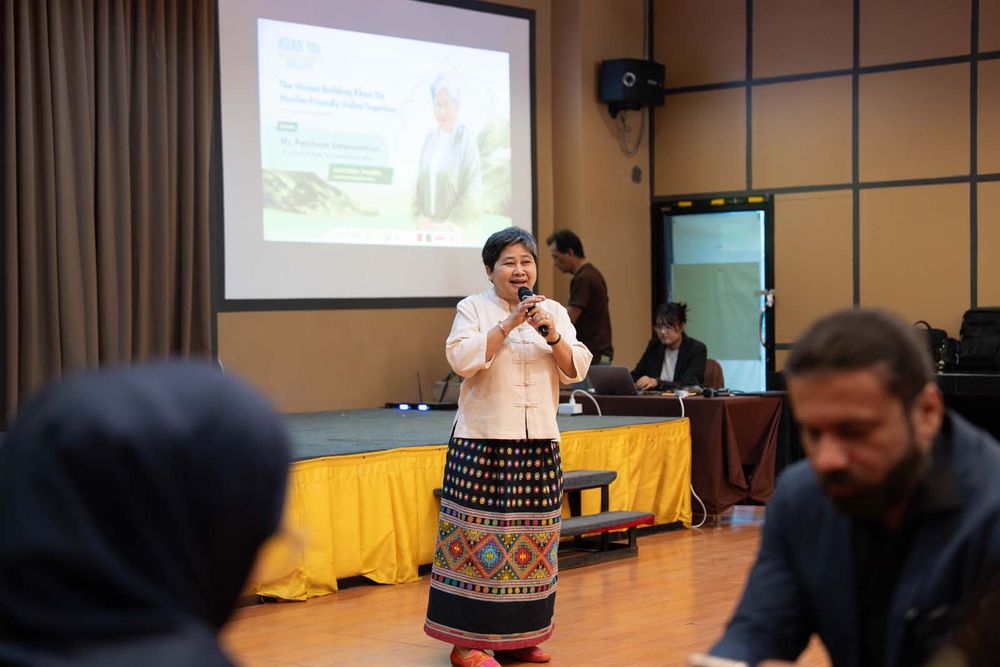
Panchana hopes the training will mark the beginning of Khao Yai's development to welcome Muslim travellers and investors, helping build a strong, sustainable grassroots economy. It is also intended to help hotels, resorts and shops understand how to adapt their services to reach this market.
For the Indonesian market, preliminary Ministry of Tourism and Sports statistics show that 787,524 tourists of Indonesian nationality entered Thailand in 2025, compared with 876,610 in 2024. These figures classify tourists by nationality.
Islamic Bank of Thailand Ready to Support Muslim-Friendly Businesses
Nucharee Phakdicharoen, Assistant Managing Director and Head of Retail Business at the Islamic Bank of Thailand, said most Muslim travellers now use AI to plan their trips. If a business has no digital presence, it effectively does not exist for these travellers. Muslim-friendly standards also play an important role in their choice of destination.
“Muslim travellers made 196 million trips last year. This year the figure is expected to reach 208 million, and in another four years it should exceed 250 million. So the question is no longer whether Muslim tourists will travel, but where they will go. A report examining destination preferences among OIC countries across 150 countries placed Thailand 27th overall and fifth among non-OIC countries. Back in 2015, Thailand ranked second in the latter group. Falling to fifth does not mean Thailand has become worse; others have improved and invested more in Muslim-friendly facilities, including Japan, China and South Korea. If we stand still, others will overtake us.”
Nucharee stressed that Khao Yai is an appealing destination, with nature, welcoming people and a World Heritage site. However, it still needs standards that address Muslim travellers' requirements, including food, safety and religious practices. Becoming Muslim-friendly is therefore crucial to attracting this market.
“Many hotels are now ready to adapt. But without funding, readiness remains an intention. Funding without readiness, on the other hand, creates risk. With both preparation and investment, we can bring change to Khao Yai. As the Islamic Bank of Thailand, we are offering more than loans: we will move forward together. We have financing specifically for Muslim-friendly businesses, and we want Khao Yai to become a model that can be applied in other regions.”
GMHI A System for Assessing Muslim-Friendly Hospitality
Marut Mekloy, Co-founder and Former President of the Thai Muslim Trade Association (TMTA), Co-founder of the Global Muslim Friendly Hospitality Index (GMHI), and Co-founder and Executive Director of the International Halal Business Institute (IHBI), discussed how to develop Khao Yai as a Muslim-friendly destination.
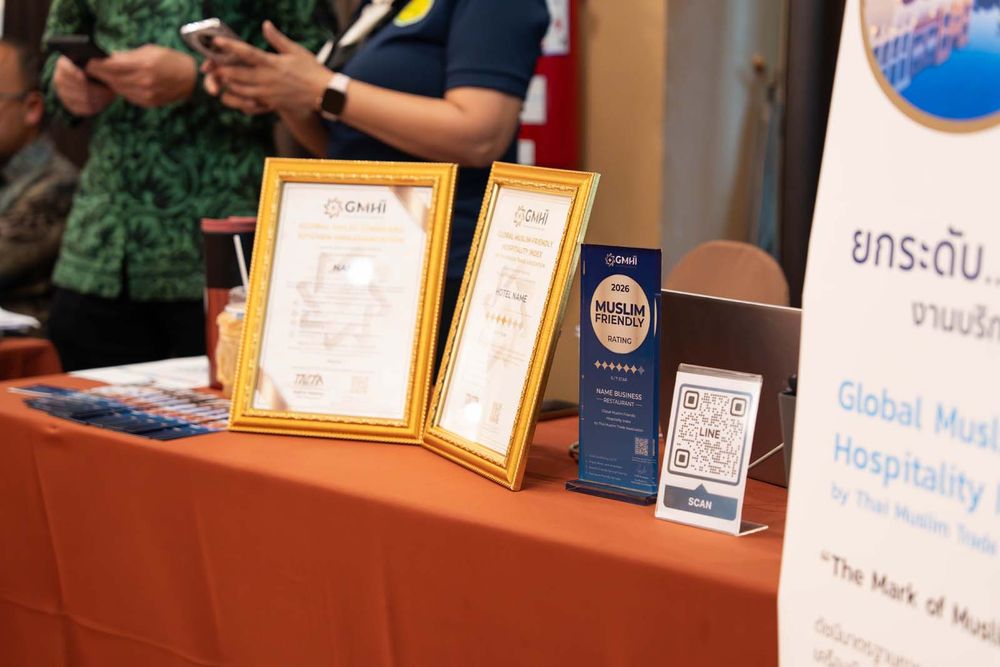
Marut explained that GMHI assesses and rates Muslim-friendly hospitality. It draws on standards from other countries and adapts them to Thailand's context and different types of establishments, helping businesses improve their services appropriately.
“I think Khao Yai is a suitable place to start something like this. The area is not too large, and the number of businesses is manageable compared with places where there may be too many to make a start easily. I believe we should make it work in Khao Yai first, then extend the model to other areas.”
Understanding the Three GMHI Rating Tiers
GMHI star ratings are divided into three tiers:
3–4 stars: Basic Muslim-Friendly Services, indicating basic readiness to accommodate Muslim guests.
5–6 stars: Standard to Premium Muslim-Friendly Services, indicating readiness to serve Muslim travellers in accordance with the standards.
7 stars: Exceptional Muslim-Friendly Services, indicating the highest level of service readiness.
“We began developing GMHI standards around one or two years ago. Today, more than 50 businesses have been certified, mostly hotels and restaurants. We have recently worked with the public sector through the Tourism Authority of Thailand, which has asked us to collect information from more than 600 Thai businesses. We are assessing their readiness to develop 10 new Muslim-friendly travel routes to attract visitors to Thailand. We hope Khao Yai will be among those routes,” Marut said.
Muslims Projected to Account for One Third of the World Population Within 25 Years
Marut said Muslims currently represent roughly one quarter of the world's population, or 25–28%, and are projected to reach one third, or 32–33%, by 2050—around three billion people. In terms of market size, he said, the opportunity is clear. Purchasing power is also significant, with travel spending projected to reach US$310 billion in 2030.
“The global Muslim population continues to grow, not only in numbers but also in the share of people at ages when they are becoming economically active. More than 70% of Muslims are under 40. They have purchasing power, are travelling and are ready to explore the world, and this growth will continue. We therefore need to understand who today's Muslim travellers are. They are a diverse group: young people, couples, families with children—often larger families—as well as groups of friends and women. We need to consider how ready Khao Yai is to welcome these varied customers.”
Marut stressed the need to make Khao Yai's Muslim-friendly development a success, because businesses that are ready will become more attractive destinations.
Marut encouraged businesses to begin preparing for GMHI's 3–7-star criteria with practical steps such as providing prayer mats, signs showing the direction of prayer and prayer spaces for guests. He also invited businesses to develop services and networks together. “You do not have to be 100% ready today, but you have to start today.”
GMHI Standards Provide the Clarity Muslim Travellers Need
Dr. Fuad Kansan, an adviser to the Sheikhul Islam, a member of the Central Islamic Council of Thailand, Secretary-General of the Thai Muslim Trade Association (TMTA), and a specialist in halal and Muslim-friendly hospitality standards, explained that GMHI star ratings clarify an establishment's level of Muslim-friendliness, giving Muslim travellers information to help them decide.
“People ask how halal and Muslim-friendly differ. They cannot really be compared directly because they address different things. Halal means permitted under Islamic religious principles and involves strict requirements. Scholars have even debated whether a halal hotel would need to inspect marriage certificates, for example. Muslim-friendly is more flexible and concerns hospitality businesses: providing convenience and an appropriate environment. A hotel can still be Muslim-friendly even if it serves alcohol.”

Dr. Fuad recalled a five-star hotel that asked him to help with its food arrangements while retaining a bacon salad popular with international guests. He explained that clarity was key: special delivery arrangements, separate refrigerated storage, a designated Pork Corner in the dining room, clearly distinguishable tableware, and pig symbols on cutlery. Clear arrangements of this kind, he said, could help Muslim guests feel at ease.
Using halal symbols on pizza menus as an example, Dr. Fuad explained that travellers may question whether ovens and ingredients are shared with non-halal food. Clear information about certification and kitchen management is therefore important, including who is responsible, such as the owner or a Muslim chef, so guests can make informed decisions.
Star Ratings Indicate Levels of Muslim-Friendly Readiness
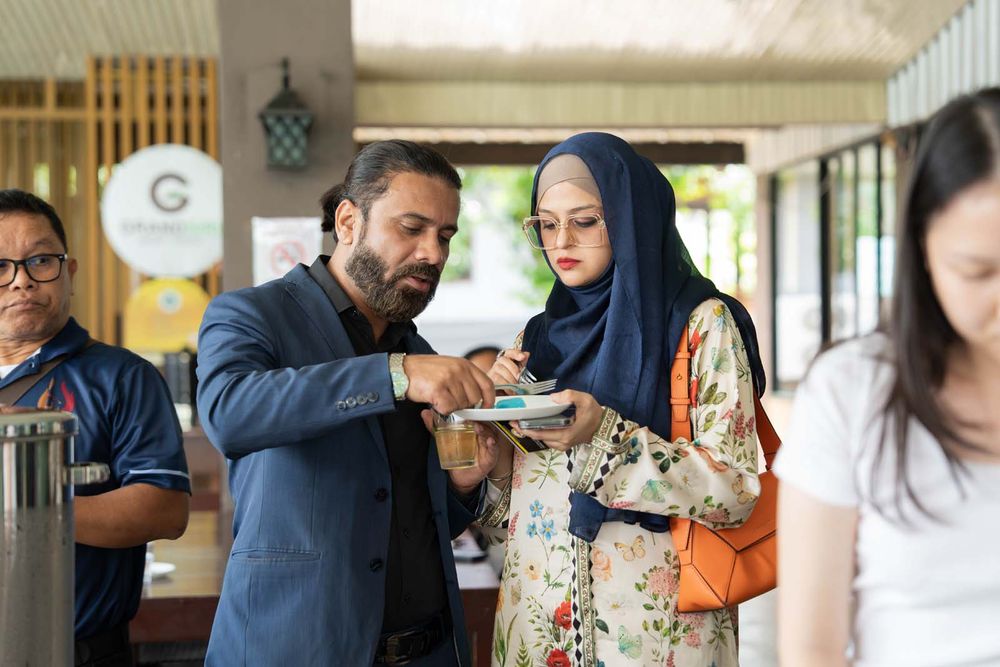
Dr. Fuad explained that 3–4 stars indicate basic readiness. An establishment does not necessarily need its own halal restaurant, but it must consider how to provide halal food or recommend halal restaurants and their locations. Prayer mats should be available in rooms, with a service charge permissible, along with signs or a compass indicating the direction of prayer. Staff should also be able to recommend a communal prayer space for groups such as motorcycle touring parties. At four stars, halal food must be available without guests having to leave the property.
At 5–6 stars, establishments are ready to serve Muslim travellers in accordance with the standards. They must have an on-site kitchen and a restaurant certified by the Central Islamic Council of Thailand. At six stars, halal certification from the Council is required.
Seven stars indicate the highest level of service readiness, approaching that of a halal hotel: prohibited activities are avoided altogether.
Can a Pet-Friendly Hotel Also Welcome Muslim Guests
Asked how a pet-friendly hotel should manage guests bringing dogs onto its premises, the answer was to establish clearly defined zones. This may be challenging, but it can be done.
Dr. Fuad suggested clearly separating areas accommodating dogs and cats while taking Muslim guests' religious practices into account.
For the purification of severe ritual impurities, the Manual for the Assessment of Halal Meat Retail Premises, issued by the Department of Livestock Development and the Halal Affairs Division of the Central Islamic Council of Thailand, specifies removing the impurity first, then washing seven times with clean running water. One of those washes uses clean earth mixed with water in accordance with religious requirements, or water mixed with din so phong, a traditional Thai white powder. The manual recommends using the earth mixture for the first wash.
These are only examples. Reaching the goal requires thorough knowledge and understanding so that Khao Yai can develop Muslim-friendly hospitality appropriately and consistently.
© 2025 Khaoyai Connect. All rights reserved.
No part of this content may be copied, modified, or distributed in any form without prior written permission.
