


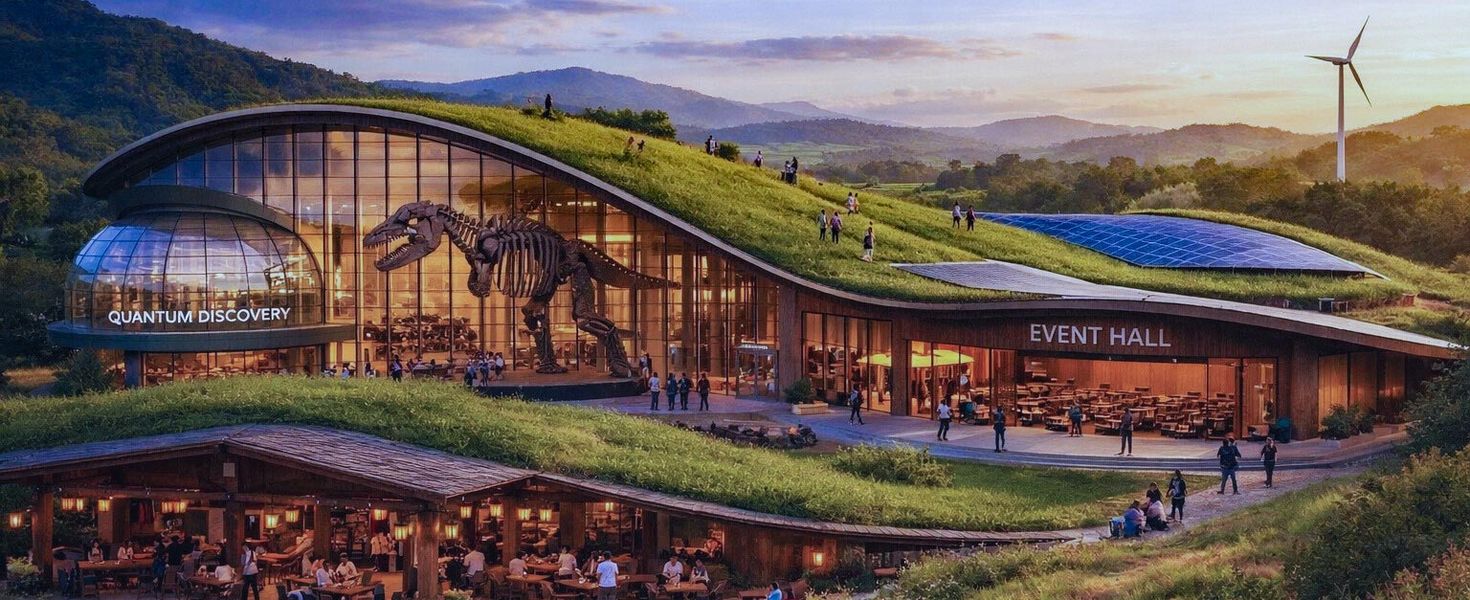
Khao Yai Poised to Become the Hub of Siam Quantum Valley
as the World Counts Down to the Quantum Technology Era Within Five Years

As we develop ever-smarter computer systems, artificial intelligence (AI) is making information easier to access, more comprehensive, more accurate, and faster to retrieve. Yet on another frontier of technology, a new field has been quietly advancing: quantum computing. This technology promises to propel the world to an even more sophisticated level by breaking through today’s limits on processing power while, remarkably, using less energy.
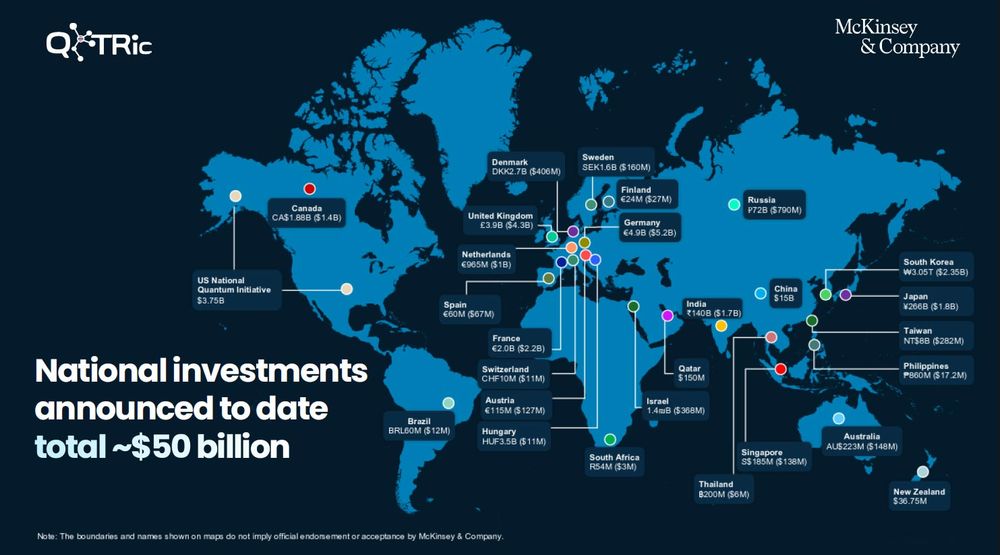
Countries around the world are now pursuing this field with great enthusiasm, pouring a combined total of more than 1.6 trillion baht into quantum technology.
Thailand entered the race in 2019, when Dr. Suvit Maesincee was Minister of Higher Education, Science, Research and Innovation (MHESI), with a budget of around 300 million baht—equivalent to 0.01% of global investment.
If this were a race, that investment figure would give Thailand a one-in-10,000 chance.
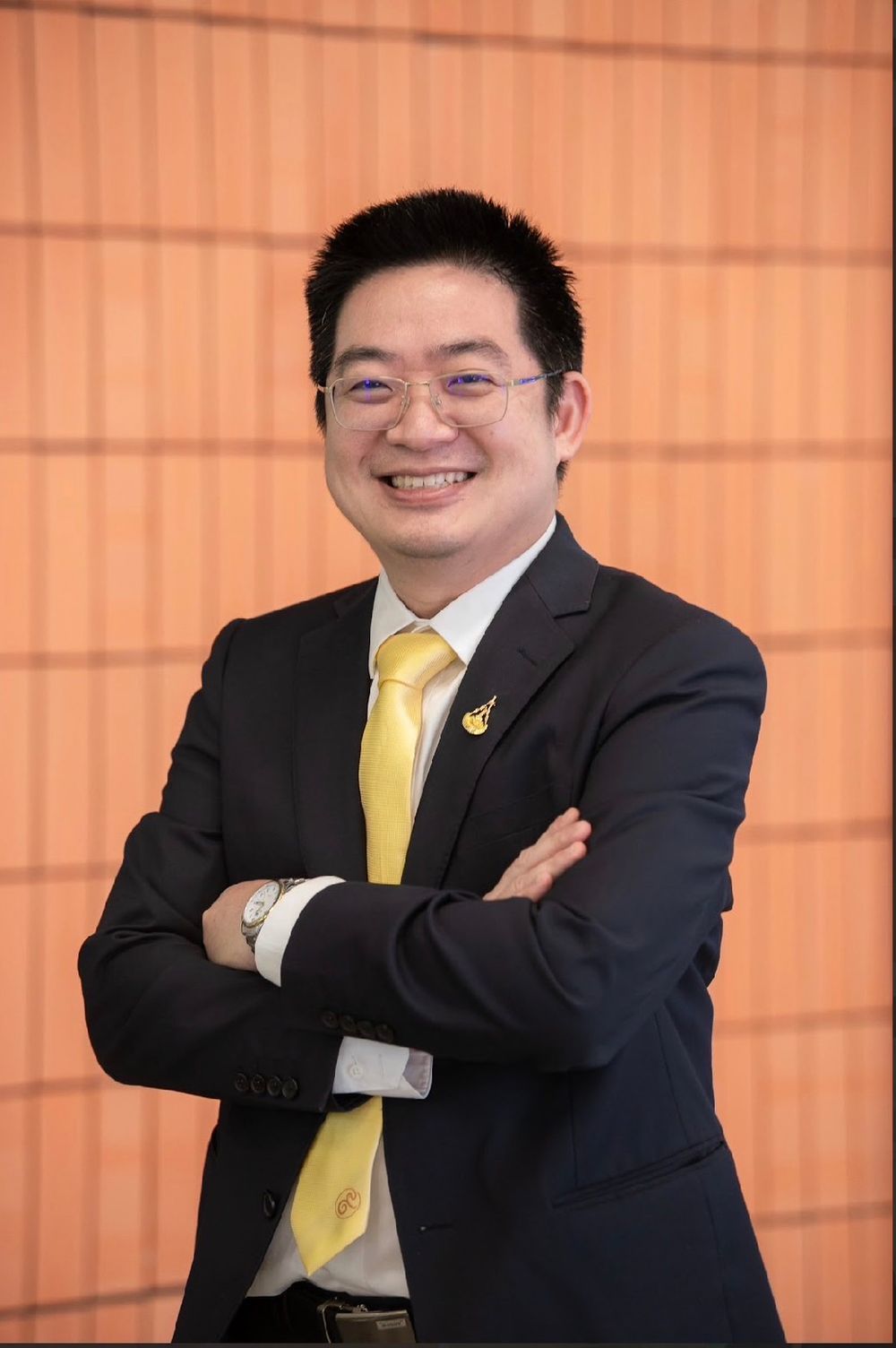
The odds may seem slim, but why should Thailand simply let this train pass by? Khaoyai Connect spoke with Ajarn Non, as Assoc. Prof. Dr. Worawat Meevasana is known, former Dean of the Institute of Science at Suranaree University of Technology and President of the Quantum Technology Research Initiative Consortium (QTRic), at a time when many agree that Thailand still has an opportunity.
Khao Yai is a strategically well-suited location to become Thailand’s quantum hub. The belief is that this World Heritage natural landscape could provide fertile ground for something extraordinary, just as Silicon Valley once did.
A Changing Era: From Analog to Digital—and Now the Countdown to Quantum
Before taking us into a future that many may still find difficult to imagine, Ajarn Non looks back to the analog age, when postmen delivered letters that took days to reach their recipients—or even months when sent overseas. Then came the digital age, when email made communication virtually instantaneous. Looking back from the era before email, it would have been difficult to imagine how that could ever be possible. The arrival of new technology also had economic consequences: sending a letter cost money, while email—both better and faster—was free. The transition into the quantum era may unfold in much the same way.
“Why does economics matter? Because when the economy became digital, some things improved enormously yet cost nothing at all, such as email and the internet. That gave rise to e-commerce. Many businesses were disrupted, and the situation changed completely. Barnes & Noble, for example—a giant bookstore in the heart of New York—was overtaken by Amazon, an online bookstore.”

Quantum Computers: Astonishing Physics, Split-Second Processing, and Remarkably Low Energy Use
Ajarn Non explains that quantum technology is rooted in quantum physics. One key principle is quantum superposition, a phenomenon in which tiny particles such as electrons can exist in multiple states at once. Particles can also become entangled, remaining linked no matter how far apart they are. In principle, these unusual properties can be harnessed to build computers vastly faster than conventional ones.
Quantum parallelism offers another way to understand the concept. Imagine searching for an object hidden in one of ten rooms. Ordinarily, each room would have to be opened one at a time in a single pipeline. With quantum parallelism, it would be like pressing one button and having the keys to all ten rooms work at once. In this example, quantum technology could use ten times less energy. Quantum processing also scales exponentially, and this could enable enormous energy savings.
“One fairly realistic pain point that receives a great deal of attention at the World Economic Forum is the data center. Data centers are now everywhere around the world, and a number of companies are developing them in Thailand. A data center provides computing power and performs tasks in place of people
through cloud services—for example, accounting or legal work that AI can handle. The question is whether data centers have problems. They certainly do. We already know why data centers are not being built in Singapore: there is not enough energy. Many companies have come to Thailand because the country may still have some spare capacity. But suppose everything needs to become another 100 times faster in the future. What then? Even at today’s level, Singapore cannot accommodate them. If processing becomes faster, where will the energy come from? Quantum technology could disrupt this equation, and we expect to begin seeing changes within the next three to five years.”
Ajarn Non adds that quantum technology will do more than support data centers. It will also extend into industries such as finance, logistics, energy, medicine, and communications. McKinsey & Company has estimated that, over the next four to ten years, quantum computing could generate around US$2 trillion in revenue—roughly four times Thailand’s GDP.
To make the idea more concrete, Ajarn Non gives an example from transportation. Suppose 50 items need to be delivered. A quantum computer could rapidly calculate the most energy-efficient route, potentially cutting energy use by as much as 10%. A logistics business might operate on a 5% profit margin; if it could save another 10%, its profit could triple. Put simply, without quantum computing, the shortest route might not be selected, and the opportunity to maximize profit could be lost.
QTRic Unites Researchers from 17 Institutions to Accelerate Quantum Technology Research
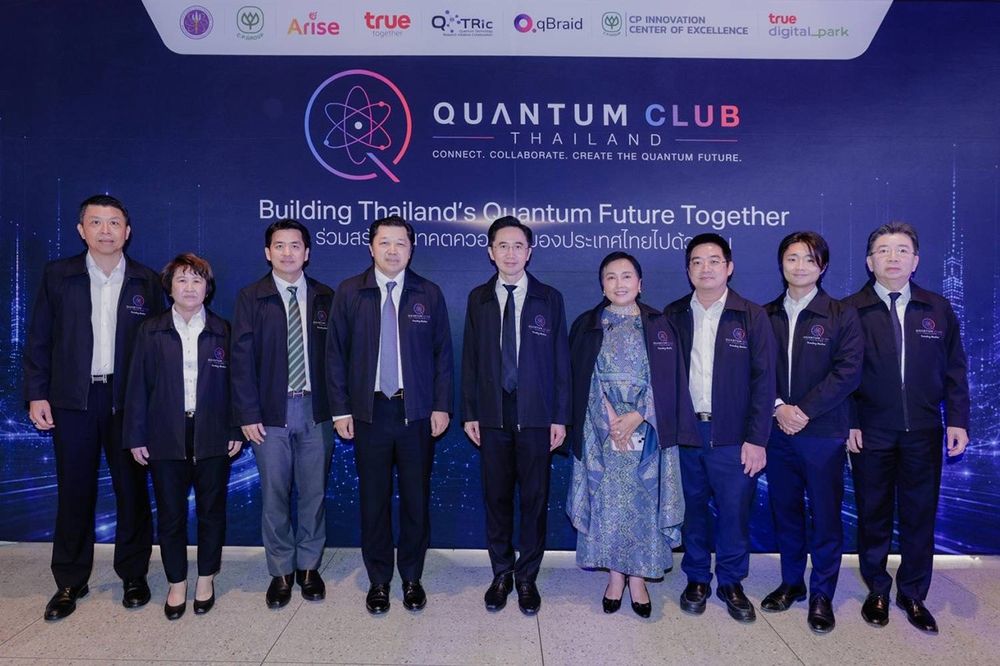
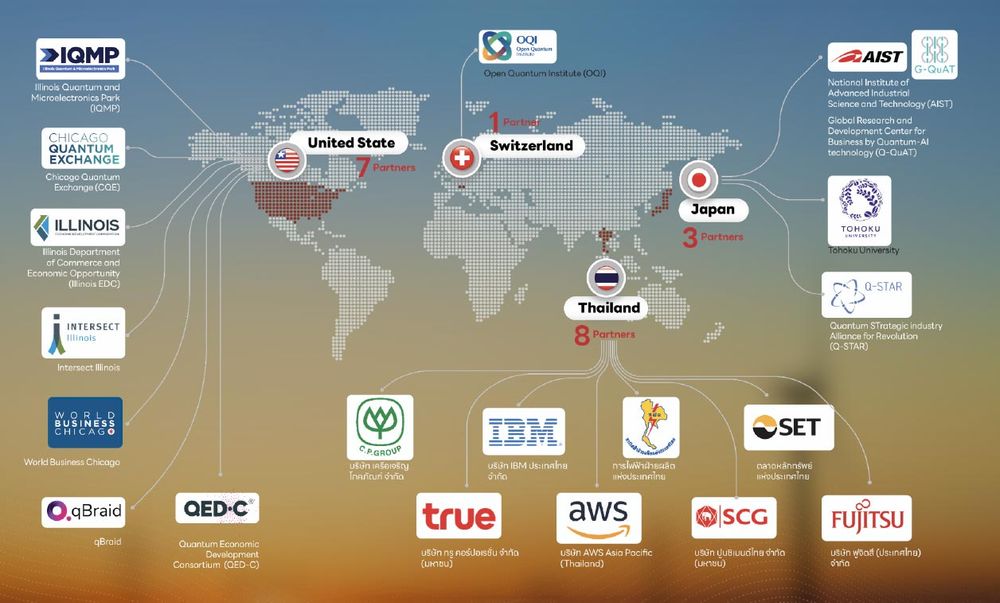
When Dr. Suvit Maesincee became the first Minister of Higher Education, Science, Research and Innovation, he introduced a policy to establish the Quantum Technology Research Initiative Consortium (QTRic). The network brought together around 200 lecturers, researchers, and students from 17 institutions. In its first phase, they collaborated on frontier research, built laboratories, conducted studies, and published findings to raise public awareness.
“Over the past three years, however, we have had to ask how quantum technology can help the country and how the research can be put to practical use. That is a difficult challenge. Looking at investment levels, we clearly cannot compete head-on with the rest of the world. But one thing we do have is people—people trained at leading universities such as Harvard, MIT, Stanford, Oxford, and Cambridge. They are crucial assets for driving this effort forward. We truly have to thank the government for sending so many people abroad to study. I benefited from that myself. We can see that an opportunity remains. It may not be a large one, but we have the same amount of time as everyone else.”

Khao Yai Proposed as the Ideal Hub for Siam Quantum Valley
Thailand may not be able to match other countries in investment, but it has one distinctive strength: the ability to attract talented people. At numerous academic conferences and seminars, Thailand has succeeded in drawing many of the world’s brightest minds, including Nobel laureates. A powerful magnet, it turns out, is the country’s wealth of beautiful destinations—especially its natural attractions.
“Before I graduated from Stanford and returned to Thailand, I was given an assignment: find a Nobel laureate to speak in Thailand. I wondered how I could possibly do that. So I said, ‘If you come, I’ll take you on a special trek through a UNESCO World Heritage forest.’ That alone was enough for him to accept. He then asked whether he could bring his wife, and of course we said yes.”
That is where Thailand’s opportunity in quantum technology lies: using tourism to help attract talented people to work in the country.

“We now have a project called Siam Quantum Valley. It is not intended to replicate Silicon Valley, but we hope the eventual outcome will share some similarities. We envision talented people coming here, living here, and sitting down together to develop ideas. Thailand could serve as a gracious host—a place where those resources and capabilities can mature, until ultimately Thailand becomes somewhere people feel they must come. For quantum technology, we might begin with smaller goals. For example, at least one major quantum conference should be held in Thailand every year.”
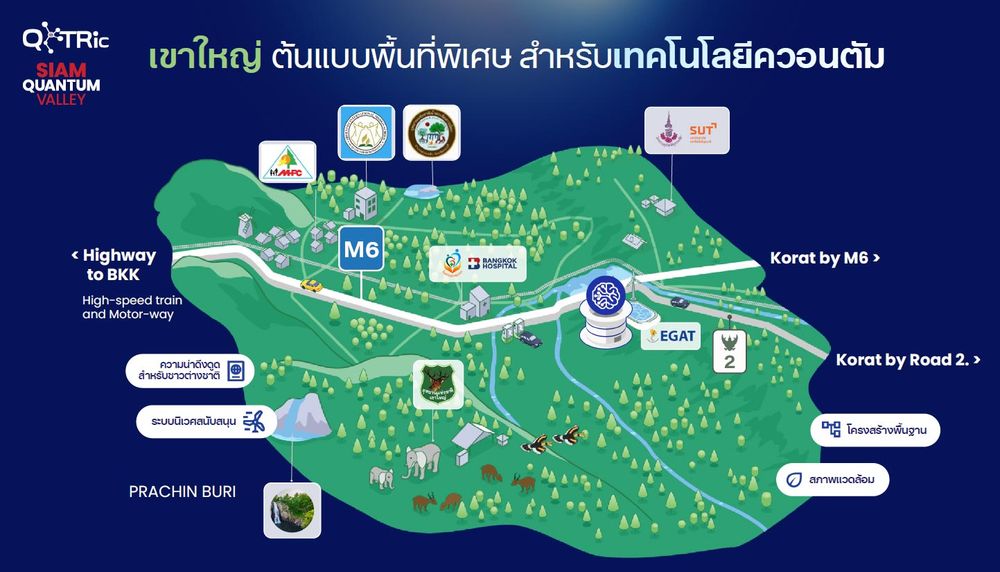
Ajarn Non says Thailand has strengths in several areas and, from a strategic standpoint, Khao Yai is a suitable location. Silicon Valley is close to Stanford. The contexts may differ, but there are parallels: California has pleasant weather, good food, easy transport, and proximity to leading universities. Khao Yai could likewise be an attractive location, with clean air, a healthy environment, and a strong wellness offering. The M6 Motorway is now in place, and a high-speed railway is planned for the future. Once completed, the journey from Bang Sue to Pak Chong would take 45 minutes—similar to the travel time between Stanford and San Francisco—and offer comparable convenience.
“So we thought: why not give it a try? Let’s bring talented people here, make Thailand ASEAN’s hub, and give them a place to build and work. This is a challenge we need to think through fully,” the QTRic president says, posing a question that must be answered before Thailand misses the quantum train—an opportunity the whole world is watching.
© 2025 Khaoyai Connect. All rights reserved.
No part of this content may be copied, modified, or distributed in any form without prior written permission.
