


Processing: Another Way Forward for Thai Farmers
Department of Livestock Development Moves Ahead with Traditional Cheesemaking Training, Shifting Farmers’ Mindsets toward Entrepreneurship

News of raw milk being dumped away on several occasions has been deeply painful for many who have witnessed it. But because the problem is systemic and complex, involving numerous stakeholders, untangling it will inevitably take time.
While the problem remains unresolved, one possible path forward that should not be overlooked is processing.
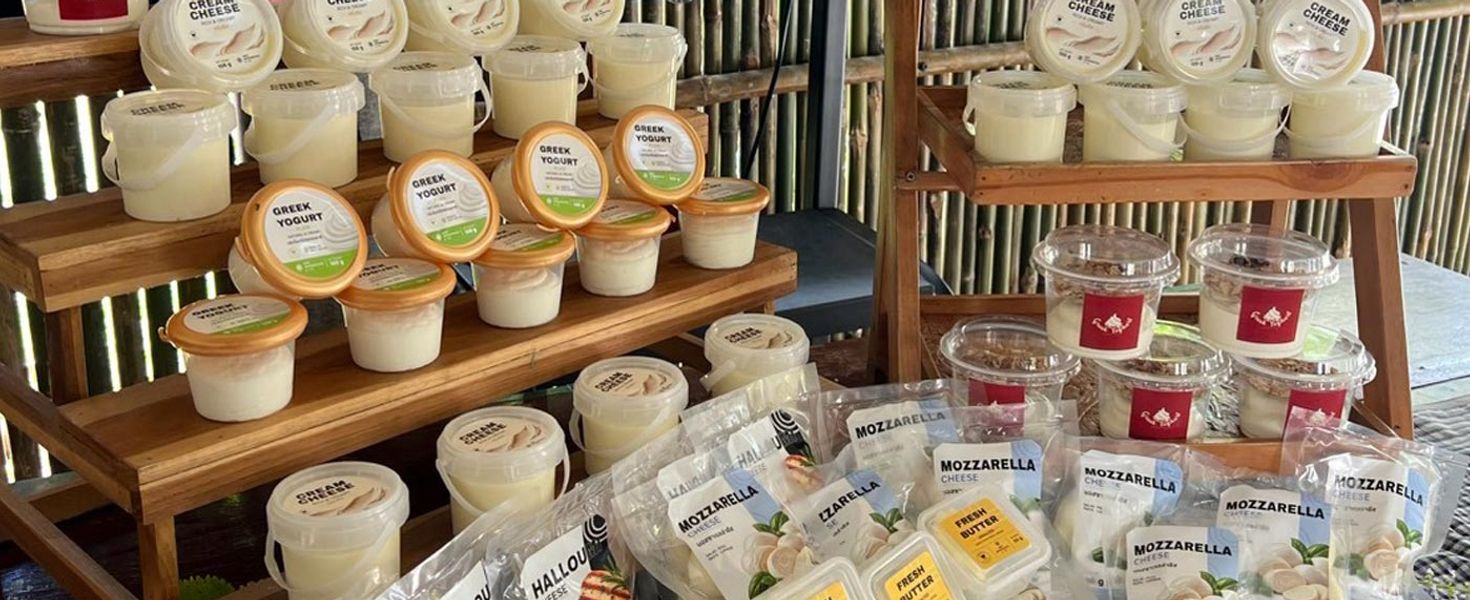
At a time when the protein trend is surging ahead, dairy products—whether yogurt or cheese—have become increasingly popular. This may offer a turning point for small-scale Thai farmers, giving them a chance to turn a crisis into a new opportunity by processing their own raw materials into higher-value products.
One agency that has been quietly but consistently doing this work, though many people may not know about it, is the Strategy and Planning Group under the Livestock Products Division, Department of Livestock Development. For more than 20 years, the group has provided training in livestock-product processing to farmers and small entrepreneurs, helping create a number of new entrepreneurs who have gone on to build strong businesses and achieve sustainable self-reliance.
And now it was the turn of entrepreneurs in Pak Chong District, another area home to dairy farms both large and small.
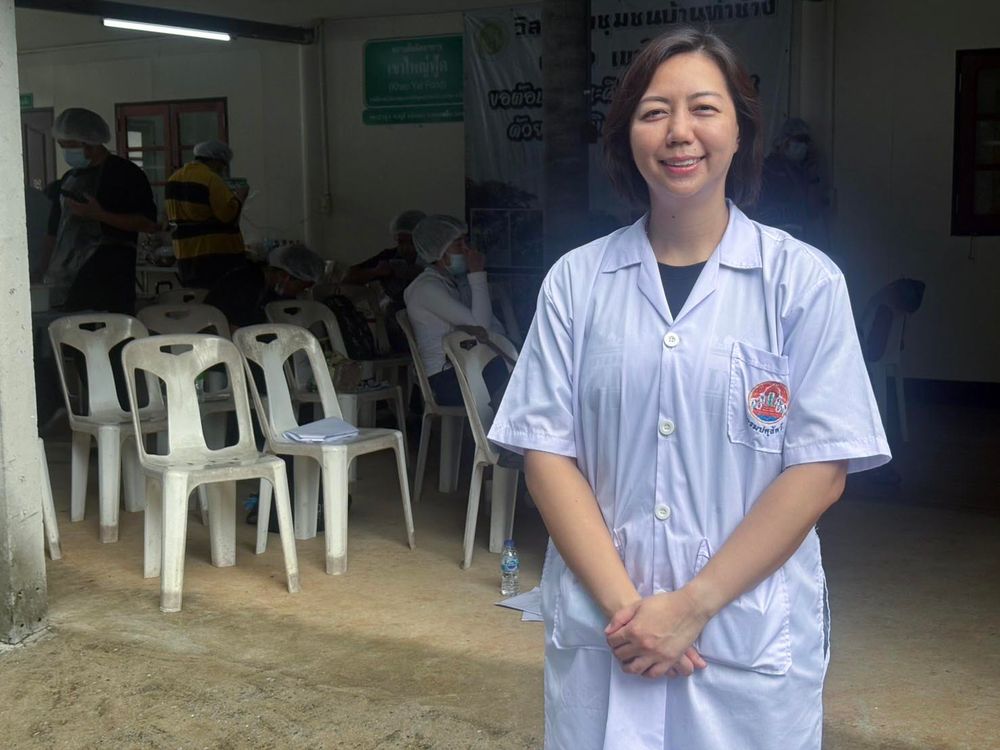
On September 15–16, 2026, Dr. Auengploy Chailangka, Head of the Strategy and Planning Group, Livestock Products Division, Department of Livestock Development, and a Senior Professional Scientist, led a team of scientists from the Department of Livestock Development to Khao Yai to provide training in dairy-product and cheese processing for interested entrepreneurs.
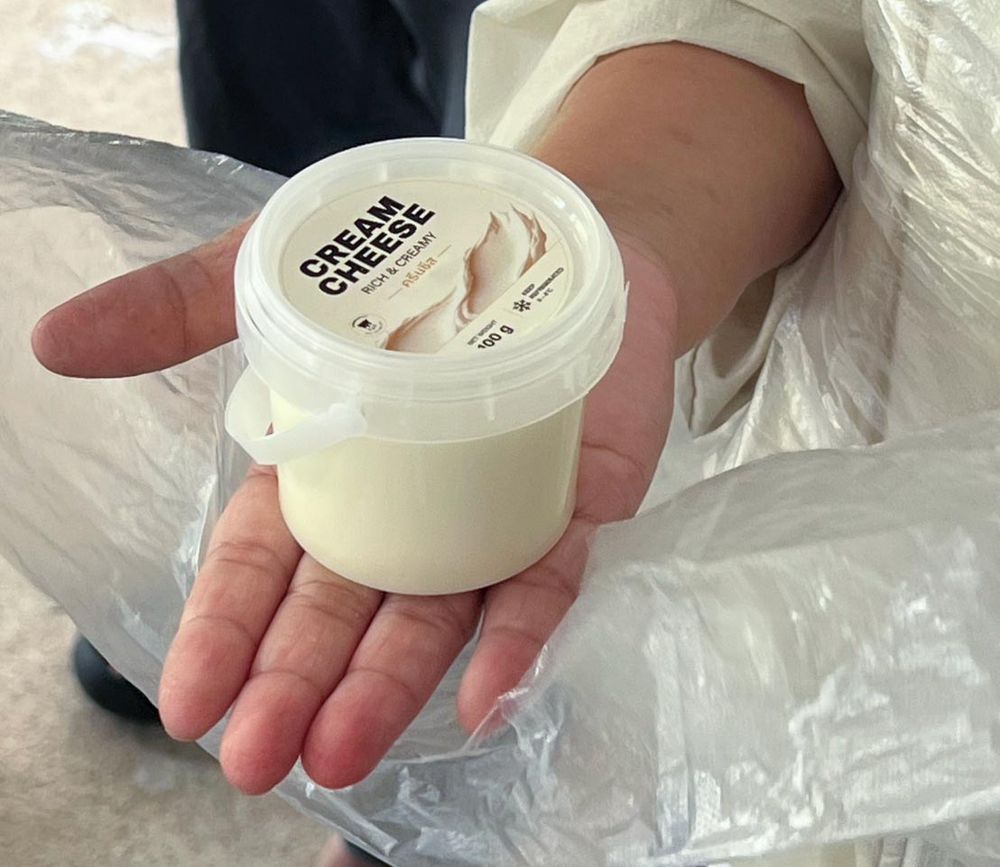
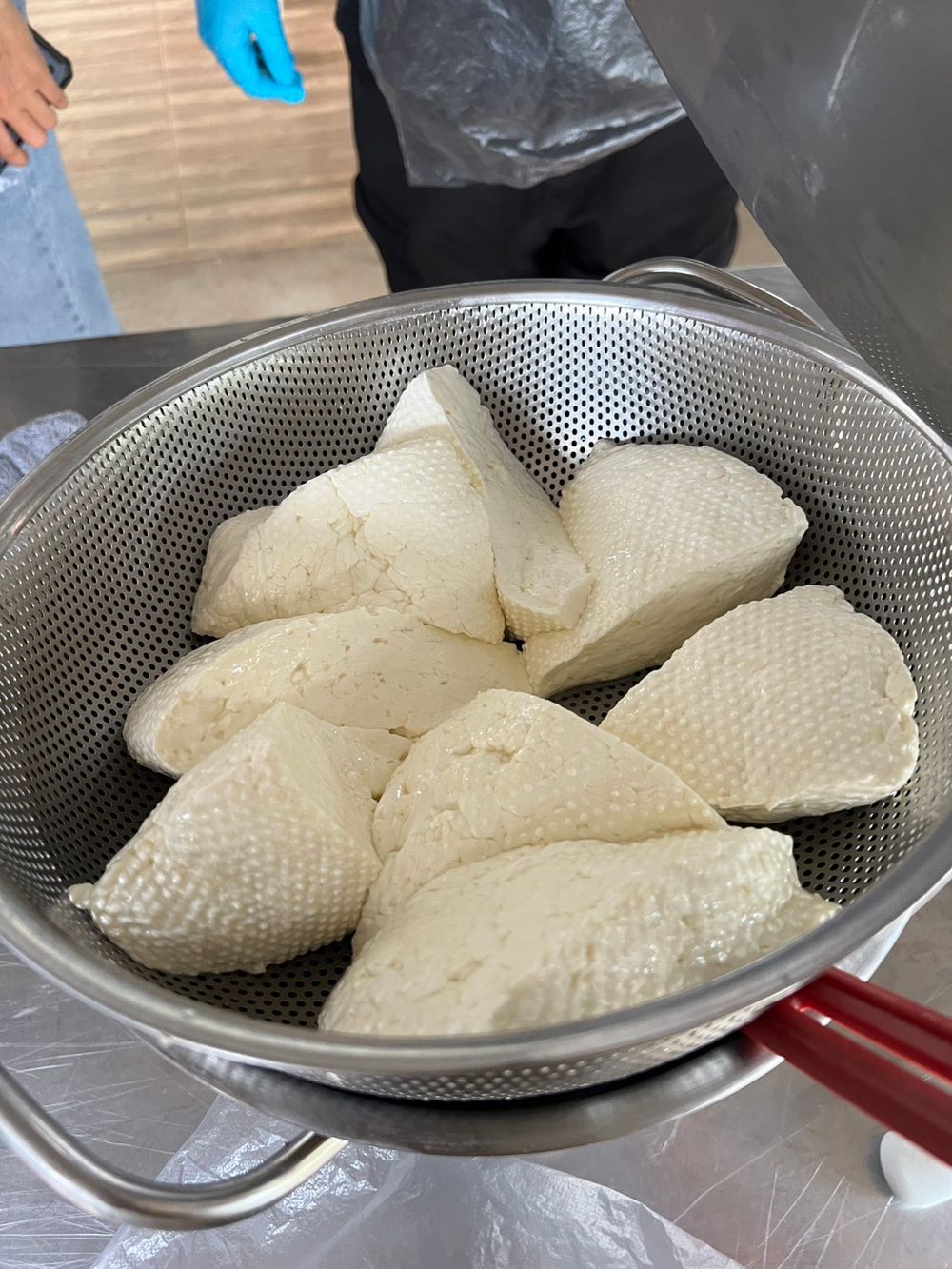
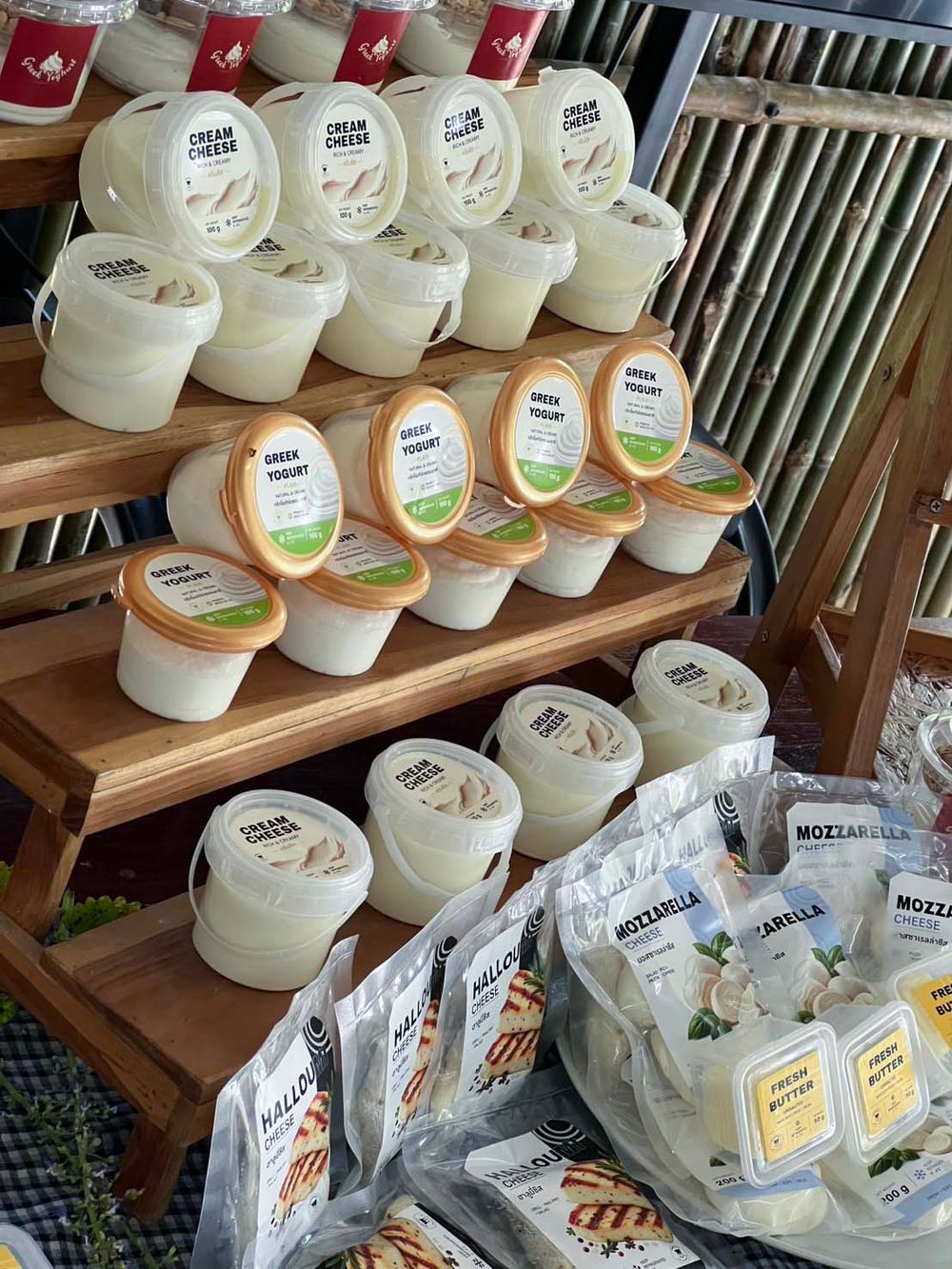
Participants learned by doing every step themselves, making Greek yogurt, mozzarella, halloumi, and cream cheese—all products that are highly popular today.
During a short break, Khaoyai Connect invited Dr. Auengploy to sit down for a conversation about opportunities for Thailand’s livestock sector and how processing can offer another way to add value to locally produced raw materials.
Department of Livestock Development Moves Ahead with Processing Training
Dr. Auengploy began the conversation with a brief introduction to her organization.
“We are the Livestock Products Division under the Department of Livestock Development. Our main responsibility is to provide knowledge on the processing of every category of livestock product, whether meat, milk, or eggs. Our job is to work directly with farmer groups and small entrepreneurs, encouraging them to process their products in order to add value to their raw materials.”
“Right now, many cooperative groups want to return to processing so that they can become more self-reliant,” Dr. Auengploy said, describing how farmer groups are adapting to the current situation.
There is no denying that Thailand’s livestock sector is an important source of protein feeding the entire country. Livestock farming therefore plays a vital role. Yet the global economic situation, rising costs, and many other challenges have caused the number of dairy farms in Thailand to continue declining at an alarming rate.
But amid this crisis, one area is beginning to gain new momentum: processing.
“We have to admit that, in the past, the mindset of Thai farmers was that farming itself was already exhausting. Raising livestock or dairy cattle takes up the whole day, and by the end of it, they are worn out. But today, we have to change the way farmers see themselves and help them understand management principles. They can no longer see themselves as farmers alone. They also have to begin processing their products and become entrepreneurs. Farmers are starting to understand this more and more, and more of them want to become entrepreneurs. That is why we have seen a wider variety of processed products emerging over the past three or four years.”
Local Ingredients Are Part of the Appeal
When asked what makes locally processed products appealing, someone who has worked in this field for nearly 20 years gave a short but clear answer: freshness.
Dr. Auengploy explained that not everything has to go through an industrial process. Today, we consume far too much processed food that has gone through countless stages of production. Being able to eat something produced locally, something readily available and fresh, is therefore part of what makes each community special.
“When it comes to actual consumption, we want it to start with people in the community. We want it to grow from the inside out. At the very least, people in the community should be consuming what we produce locally before we start placing our expectations on tourists.
“One thing we often see with dairy farmers is that they milk cows on their own farms but have never drunk milk from their own farms because all of it is sent to a factory. It then comes back in cartons. What do the children in the community drink? School milk—and no one even knows which farm that milk came from. Yet they do not drink milk from their own parents’ or grandparents’ farms. It is quite strange, but it is a real problem we have encountered.
“Things are beginning to change now. Farmers are starting to change their mindset, and this has helped them increase their income and become sustainably self-reliant.”
When asked how an entrepreneur interested in making cheese could obtain raw milk, Dr. Auengploy said that if they do not know a farm in their area, the first place to look is a local dairy cooperative, since every dairy cooperative sells raw milk. Once purchased, the milk should be refrigerated at 4°C, although temperatures below 10°C are considered acceptable.
Greek Yogurt Takes the Lead
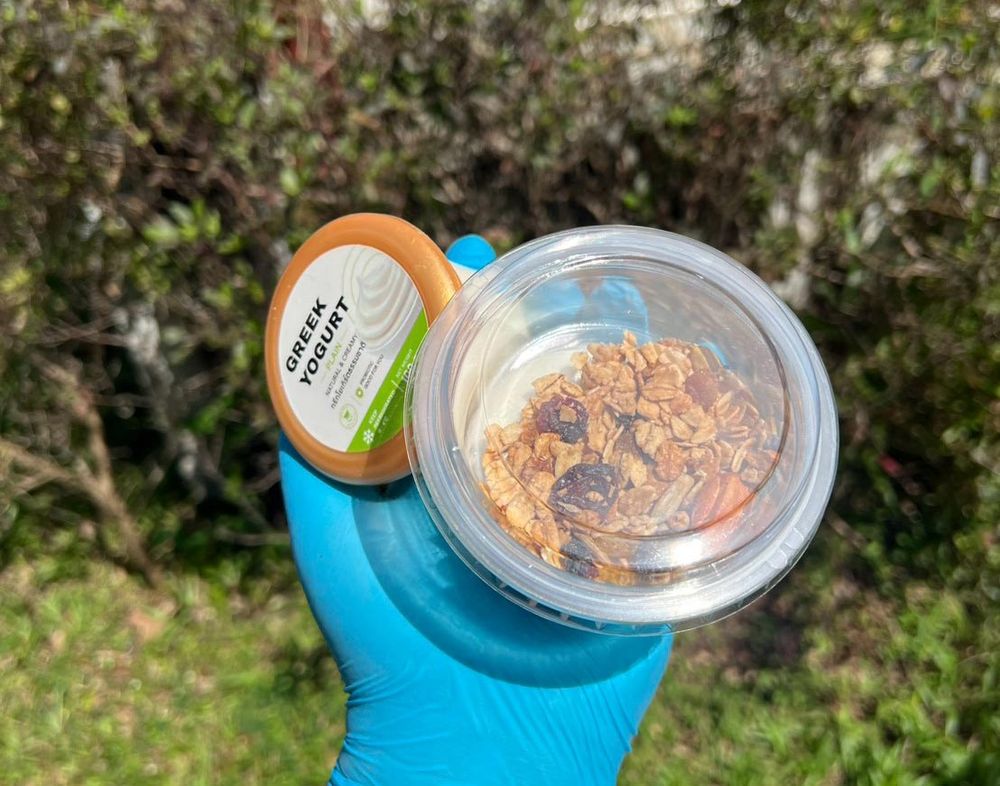
“Definitely Greek yogurt. It’s number one.”
Responding to the question of which product is currently the most popular, Dr. Auengploy said she was still surprised by the sudden boom in Greek yogurt even though it has been around for a very long time.
Coming in second is cheese—something she had not expected so many people to want to make, given that the process is somewhat more difficult.
“We have to admit that Thai people do get a little excited about things from abroad. Cheese is basically a local product—it is just local to someone else’s country. Part of its appeal is that there is a certain mystery around it: How is it made? It seems sophisticated, it comes from overseas.
“But once we break down the process, we discover that we can make it ourselves. It still carries that sense of mystery and tradition from its country of origin, but we can make it using our own local ingredients. It may still seem new to us, but it is something we can understand.
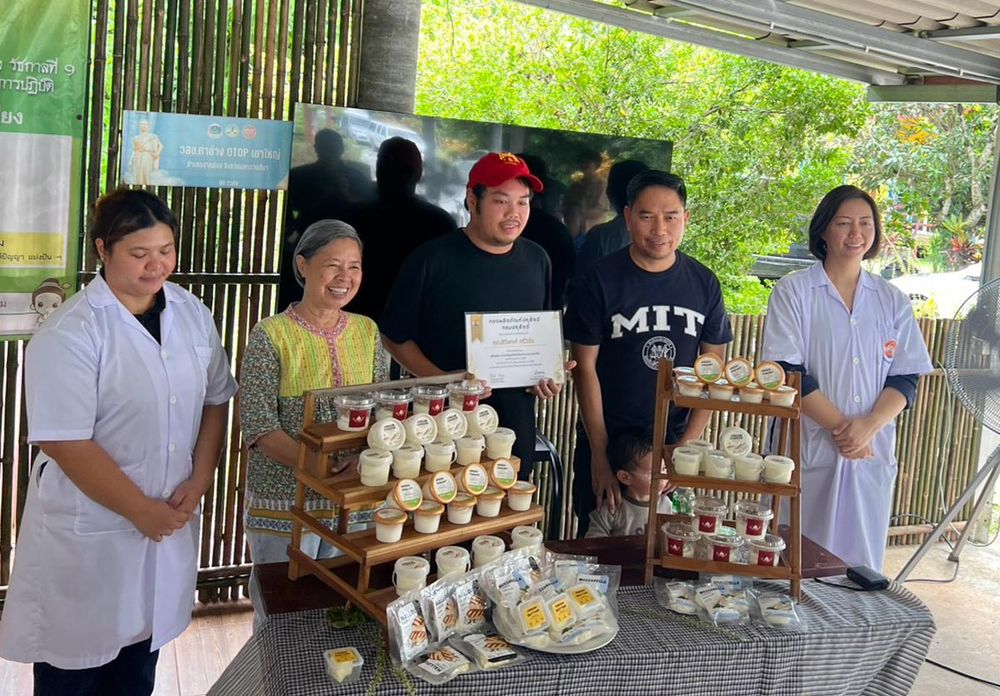
“We have been teaching this for more than ten years, particularly to farmer groups, and a number of local brands have emerged from the work of the Department of Livestock Development. If you ask whether local communities can do it, the answer is definitely yes.”
With different environments and different cultures, certain cheeses naturally remain unique to their places of origin because some depend on specific aging methods or particular microorganisms—for example, French cheeses that are aged in caves.
But with accumulated knowledge, the Department of Livestock Development now has recipes for many types of cheese that meet quality standards and have even been accepted by people from the cultures where those cheeses originated.
“The recipes we use for teaching today have been tasted by foreigners from the countries where those cheeses come from—for example, cheddar from England, Gouda from the Netherlands, or people from other parts of Europe. They cannot tell the difference. We are not inferior at all.
“Of course, if you ask whether we can recreate something that comes out of a cave in France exactly as it is there, that probably would not be possible. But if we conduct a blind test, Westerners cannot tell the difference.
“The Department of Livestock Development receives many foreign visitors who come to observe our work in Chiang Mai, and we let all of them taste what we make. They are amazed that what we produce is no different from what they have in their own countries.
“So we have to believe in ourselves. We should not underestimate ourselves. As I said, cheese is simply a local product from somewhere else.”
Dr. Auengploy added that, when examined in greater detail, raw milk can be turned into many other products and ingredients that Thailand has yet to fully develop, partly because the necessary equipment is not yet available. Important components can also be separated and sold individually—for example, lactose can be extracted and used as an ingredient in pharmaceutical products.
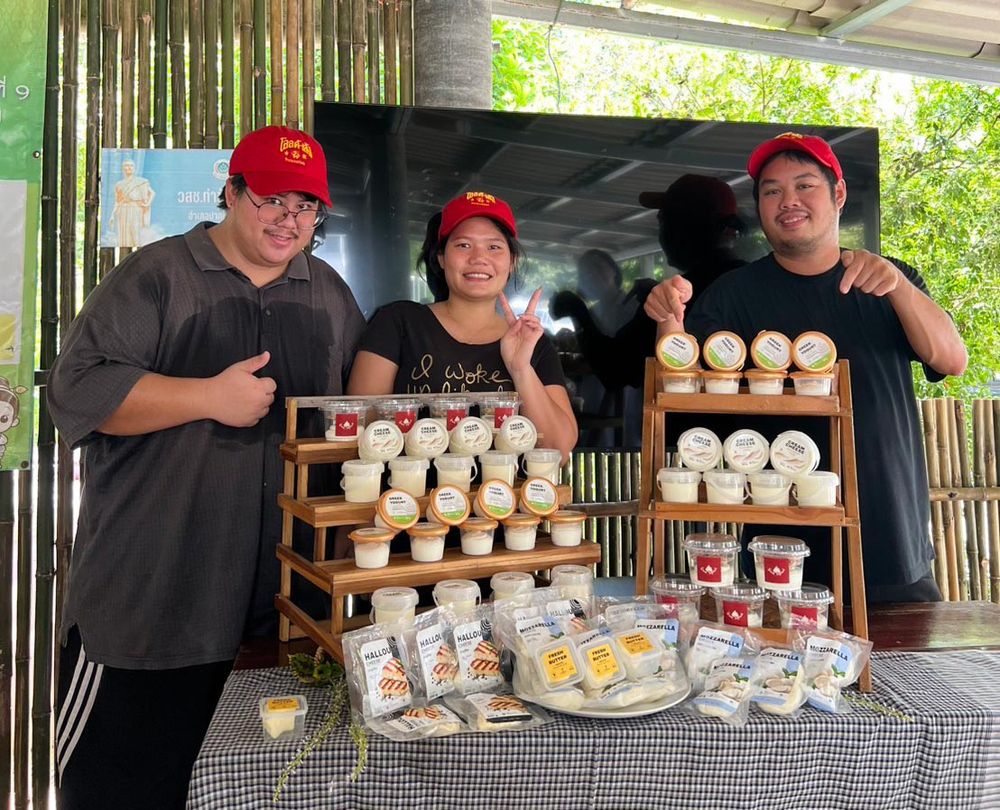
Today’s conversation shows that Thailand’s livestock sector still has room to grow into many more industries. The first priority, therefore, is to give farmers the knowledge and understanding they need.
© 2025 Khaoyai Connect. All rights reserved.
No part of this content may be copied, modified, or distributed in any form without prior written permission.
