


Prix Versailles 2026 Elevates “Hotels” onto the Global Stage of Art
When Design Becomes the New Heart of the Tourism Industry

Paris, May 2026 — Prix Versailles, the global architecture awards platform, has announced its “World’s Most Beautiful Hotels List 2026,” naming the 16 most beautiful hotels in the world this year. The selection reflects how the modern hotel industry is no longer competing solely through luxury, but increasingly through “experience,” “identity,” and “design” deeply connected to place.
Prix Versailles is regarded as one of the most internationally respected platforms in architecture and design. Announced at UNESCO, it aims to honor works that bring together beauty, innovation, sustainability, and cultural value.
This year, the selected hotels are spread across the world, from the deserts of the Middle East and historic European cities to nature-based resorts in Asia. Each property is seen as more than simply “accommodation,” but as a “destination” in its own right.
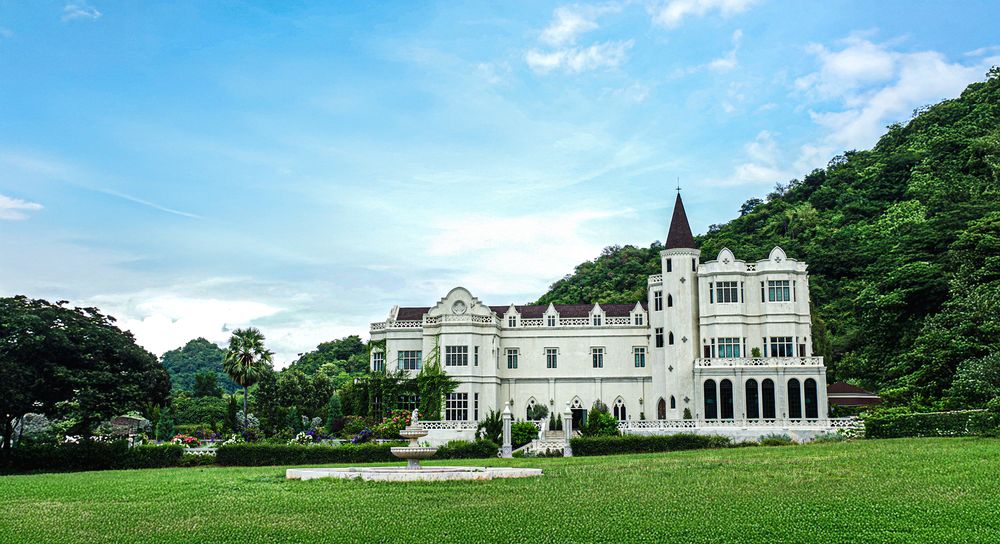
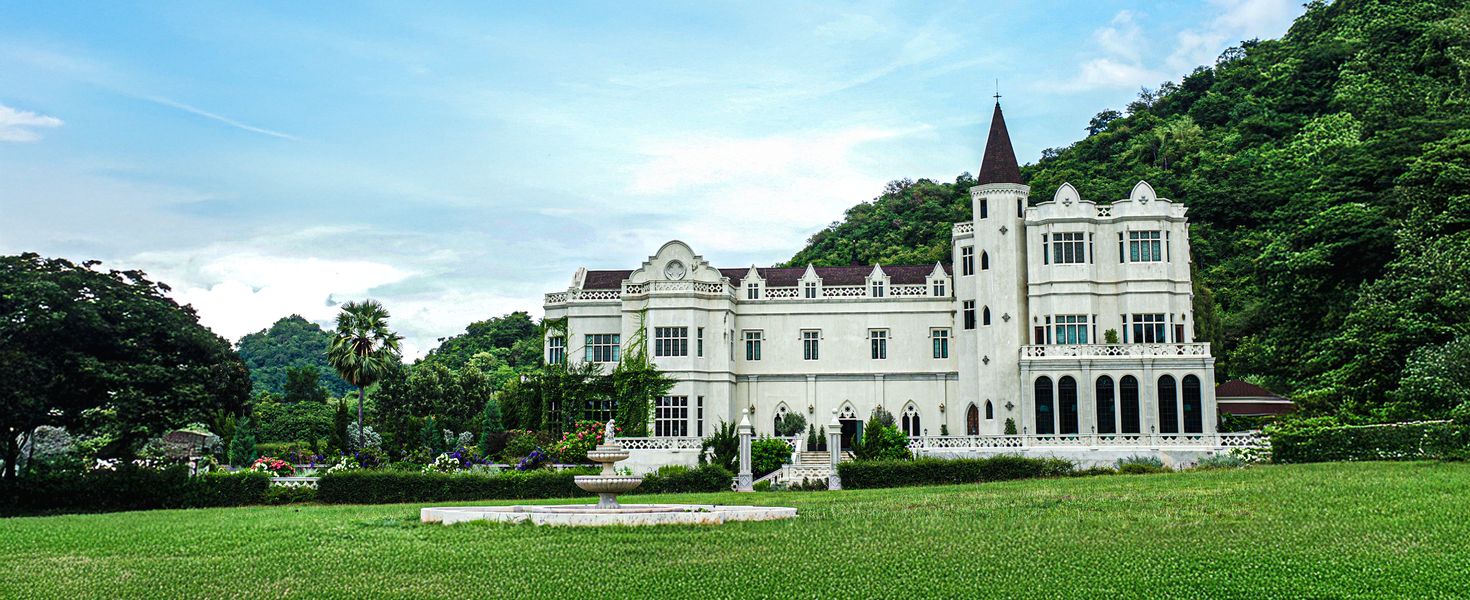
Maison Mystique, Khao Yai, Thailand. © Khaoyai Connect
One of the hotels attracting the most attention is Maison Mystique, a boutique hotel from Thailand set amid the natural landscape of Khao Yai. It has been recognized for a design that delicately fuses art, literature, imagination, and the surrounding natural terrain.
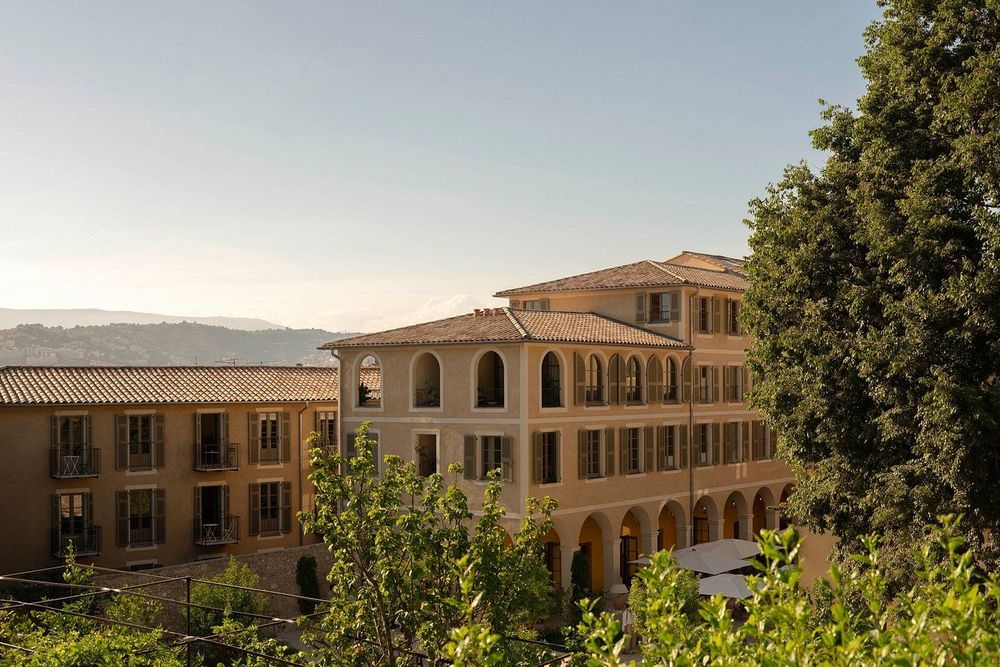
Hôtel du Couvent. © Hôtel du Couvent
Hôtel du Couvent in France has drawn attention for its transformation of an old monastery into a contemporary hotel, while preserving the original spirit of the place.
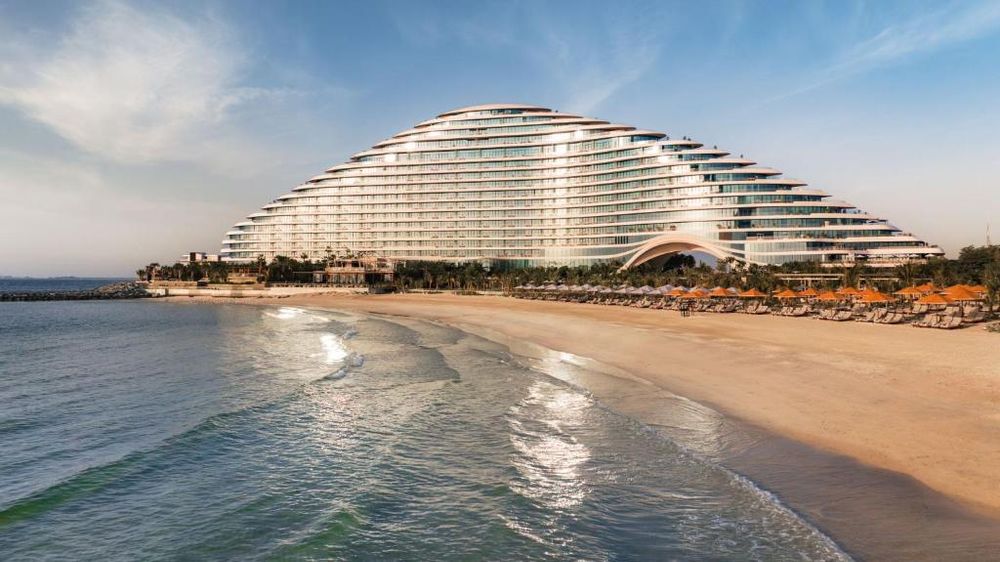
Jumeirah Marsa Al Arab, Dubai, United Arab Emirates. © Foxcommunications
Jumeirah Marsa Al Arab in Dubai reflects the luxury of a futuristic world through its striking, contemporary seaside architecture, while Mandarin Oriental Qianmen in Beijing chooses to integrate Chinese cultural heritage with refined modernity.
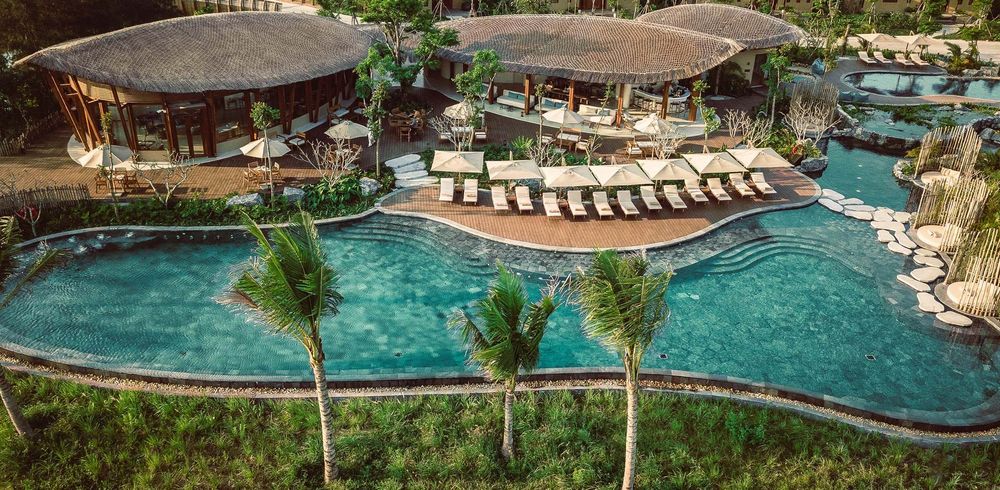
Namia River Retreat, Vietnam. © Archdaily
Namia River Retreat in Vietnam stands out for a design that harmoniously connects waterways, nature, and local ways of life, making it another important representative of experiential travel in Southeast Asia.
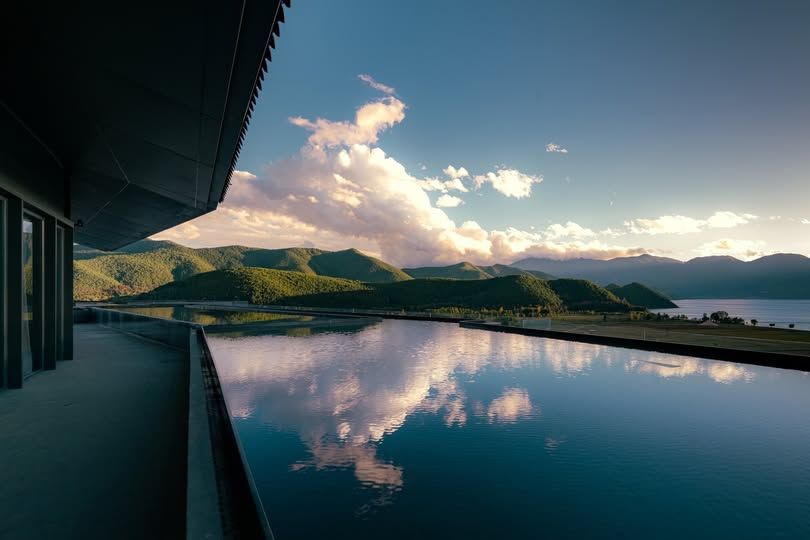
The ArcadiaPlace, Lugu Lake (Yanyuan, China) © The ArcadiaPlace
This luxury boutique hotel on the shores of Lugu Lake blends contemporary architecture with the culture of the Mosuo people, an ancient matriarchal community in China, amid the mountains and tranquil natural landscape of Sichuan Province. Its design is distinguished by organic lines, local materials, and an experience that deeply connects guests with the landscape, culture, and way of life of the area.
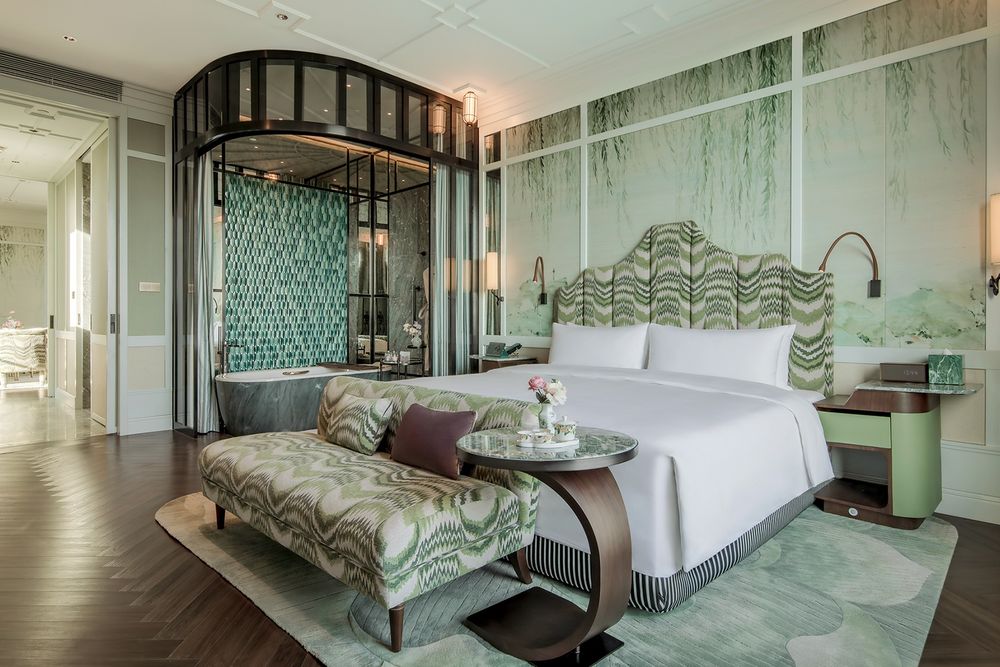
The Silk Lakehouse, Shangri-La Hangzhou (Hangzhou, China) © Shangri-La Hangzhou
This lakeside hotel on West Lake reinterprets traditional Chinese aesthetics through a contemporary design that is calm, delicate, and harmoniously connected with Hangzhou’s natural landscape.
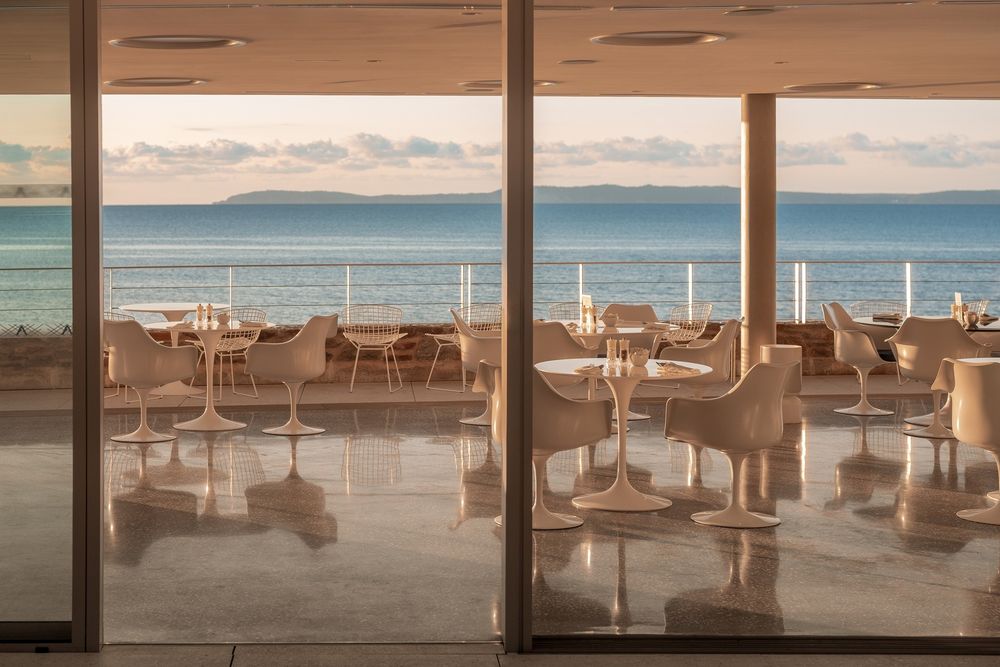
Les Roches (Le Lavandou, France) © Nicolas Anetson
A Mediterranean seaside resort distinguished by minimalist architecture that nestles seamlessly among the rocks and coastal terrain of southern France.
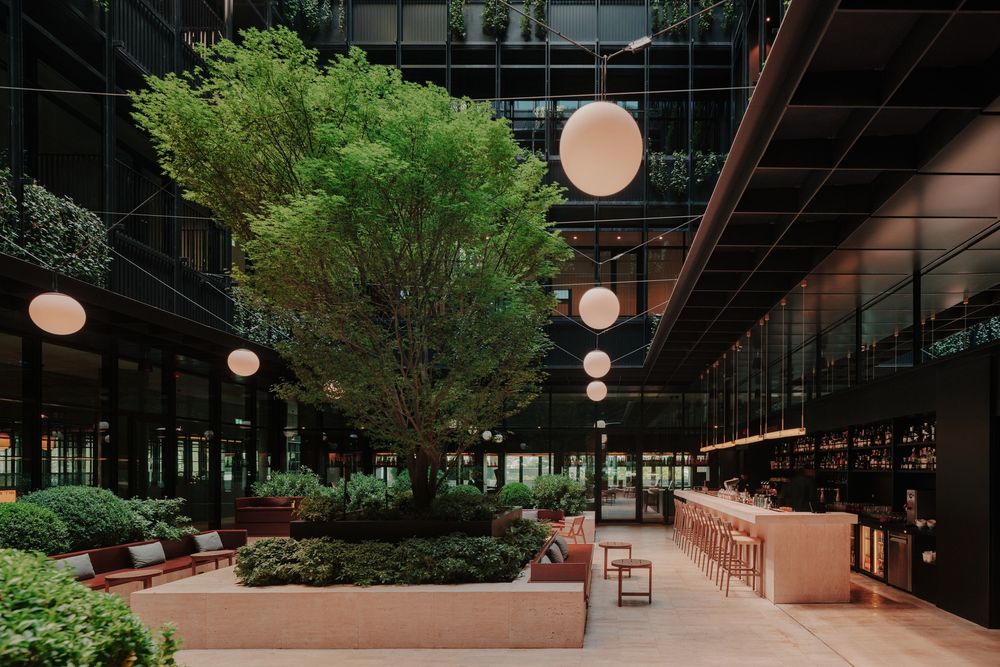
The Telegraph Hotel (Tbilisi, Georgia) © The Telegraph Hotel
A hotel renovated from a historic Soviet-era building, conveying the charm of Tbilisi through a blend of heritage architecture and contemporary design.
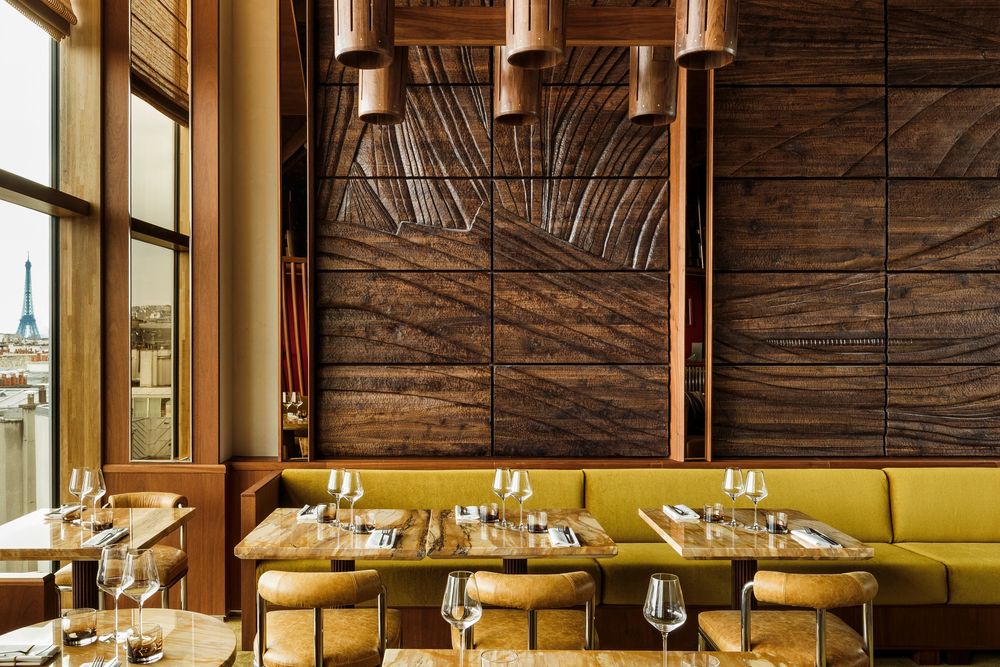
La Fondation (Paris, France) © Romain Ricard
A boutique hotel and creative space in Paris that brings together art, design, and the lifestyle of Parisian contemporary luxury.
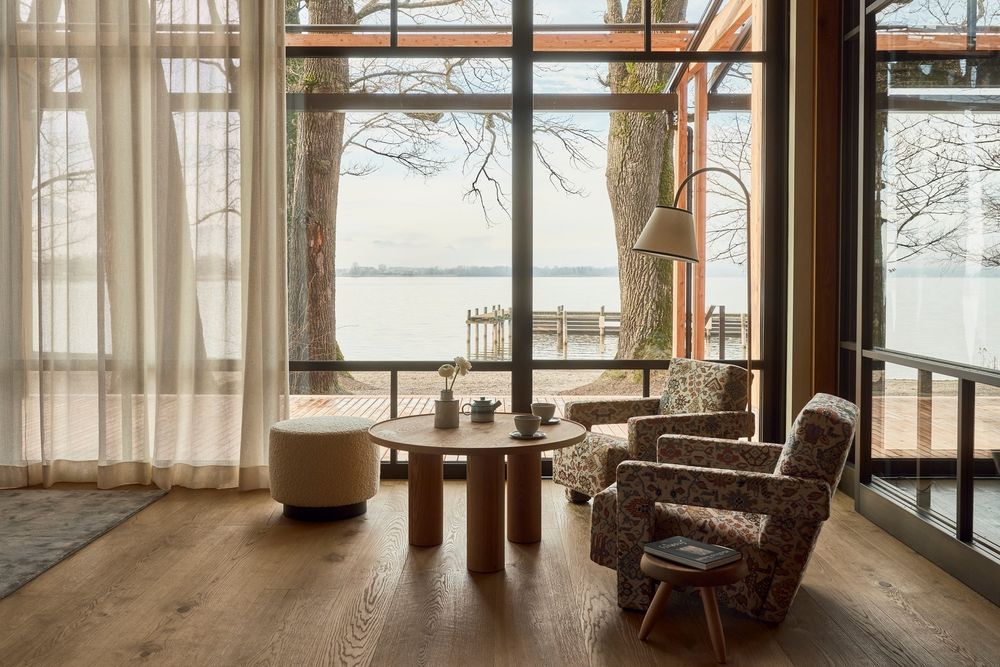
Chiemgauhof Lakeside Retreat (Übersee, Germany) © Elias Hassos
A lakeside retreat in Bavaria that emphasizes tranquility, simplicity, and a connection between guests and the natural landscape of the Alps.
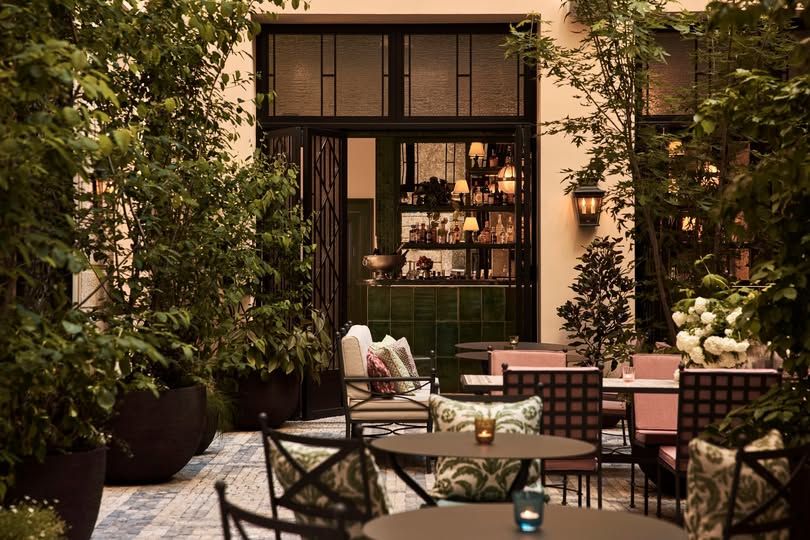
Sir Prague (Prague, Czech Republic) © Sir Prague
A design hotel that combines the historic atmosphere of Prague with contemporary European modernity through distinctive and characterful interiors.
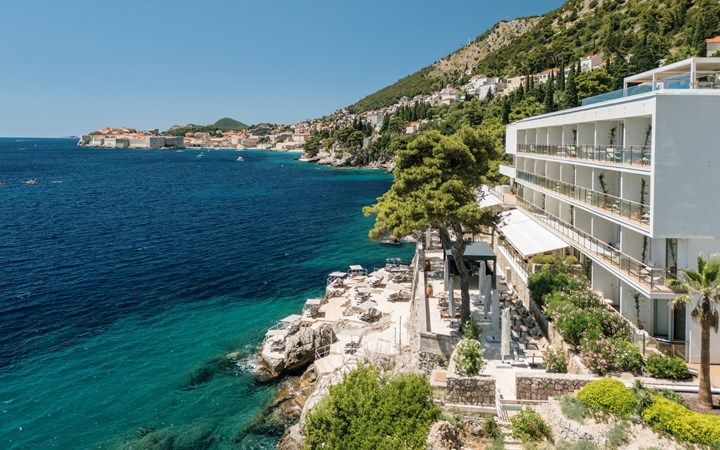
Villa Dubrovnik (Croatia) © Villa Dubrovnik
A luxury hotel on the Adriatic Sea that opens onto beautiful views of Dubrovnik’s old town, distinguished by understated elegance and a serene, private atmosphere.
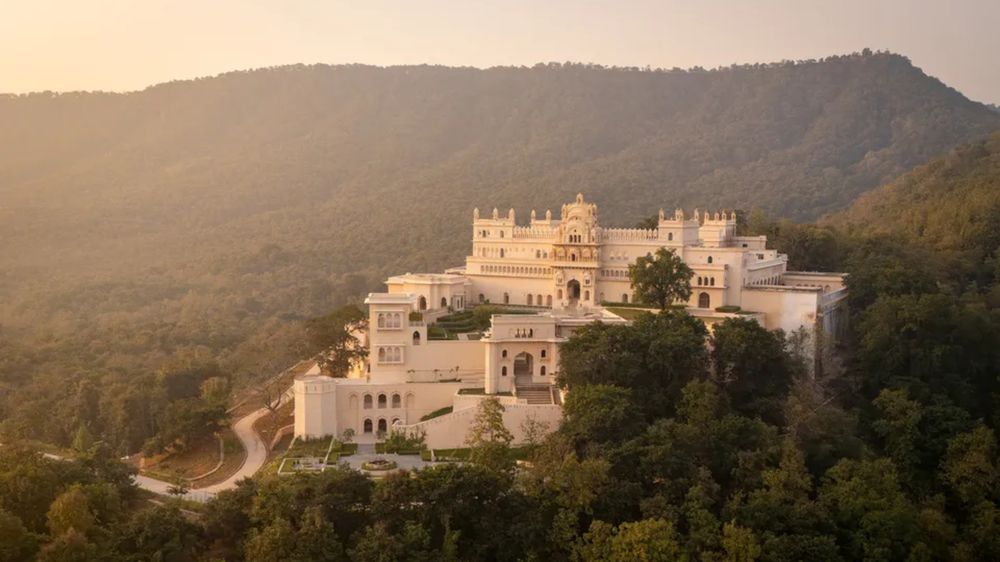
The Oberoi Rajgarh Palace (Khajuraho), India. © Himanshu Lakhwani
A historic palace restored as a luxury hotel, presenting the beauty of Rajasthani architecture and India’s cultural heritage with exquisite detail.
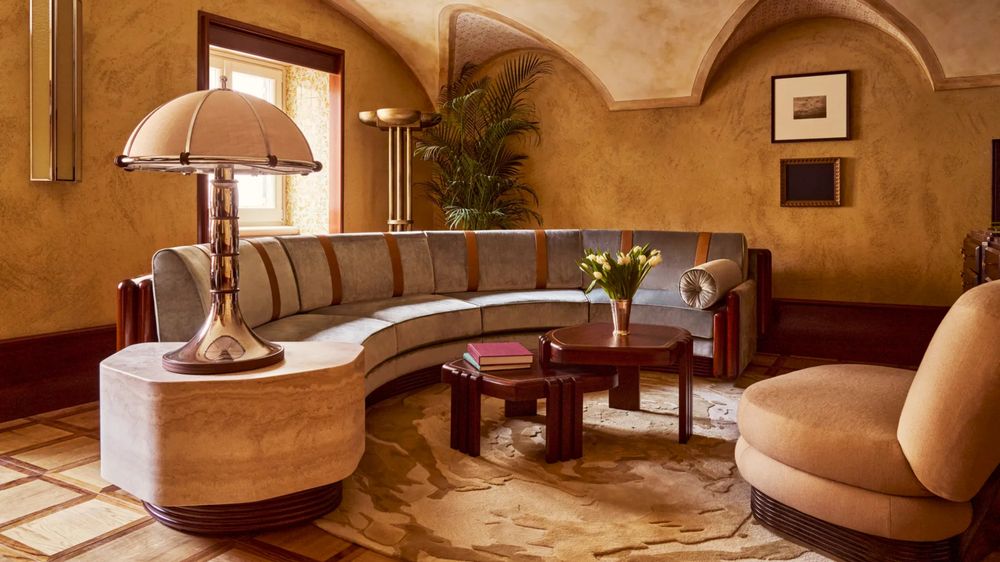
Orient Express La Minerva (Rome) © architecturaldigest
A luxury hotel in the heart of Rome that channels the spirit of Orient Express travel through classic refinement, elegance, and timeless design.
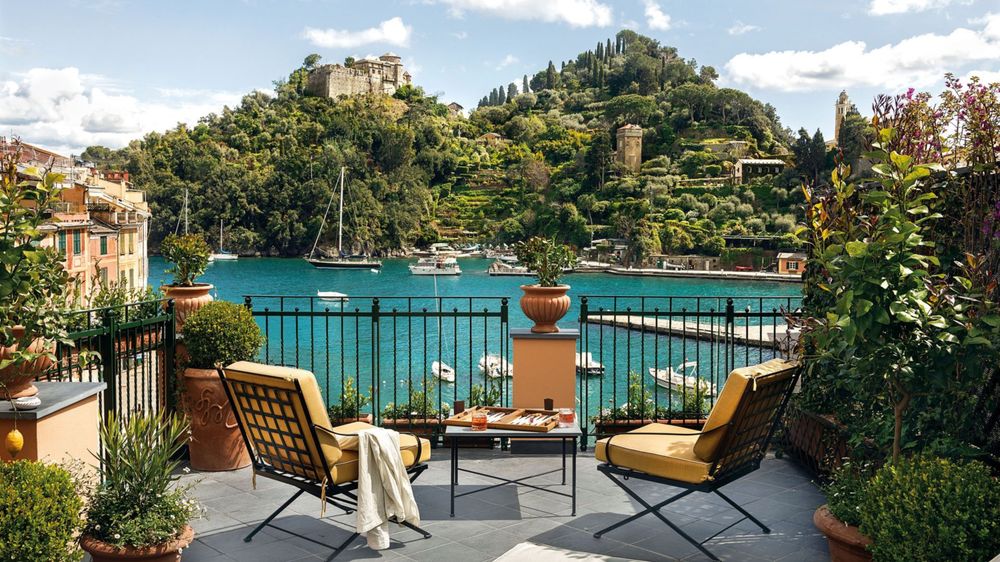
Splendido, A Belmond Hotel (Portofino) © MATTIA AQUILA
A legendary hotel in Portofino that reflects the charm of the Italian Riviera through Mediterranean sea views and the luxury of timeless elegance.
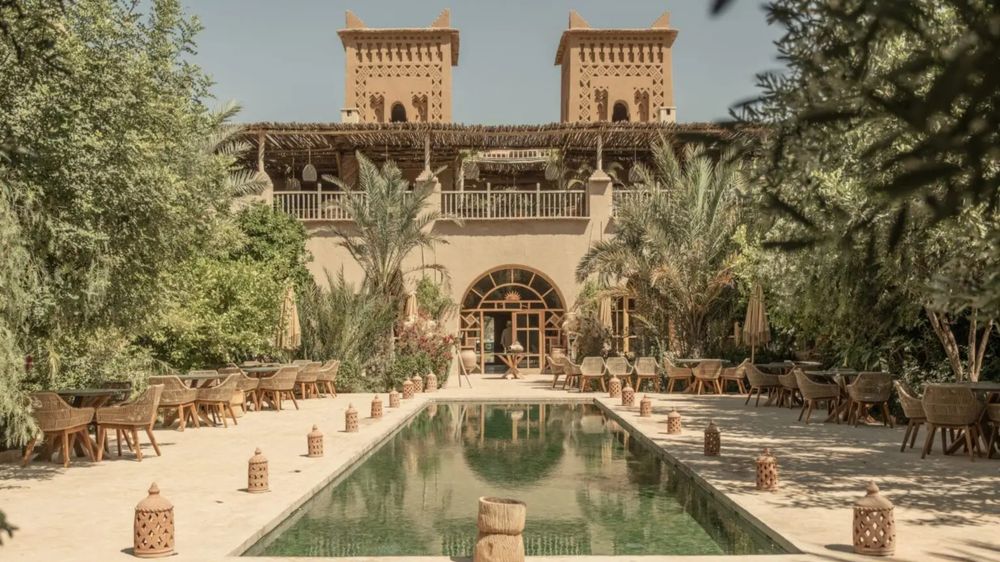
Kasbah d'If (Marrakesh) © agafaydesertluxurycamp
A resort in the Moroccan desert that reinterprets traditional kasbah architecture through natural materials, craftsmanship, and an atmosphere of mysterious allure.
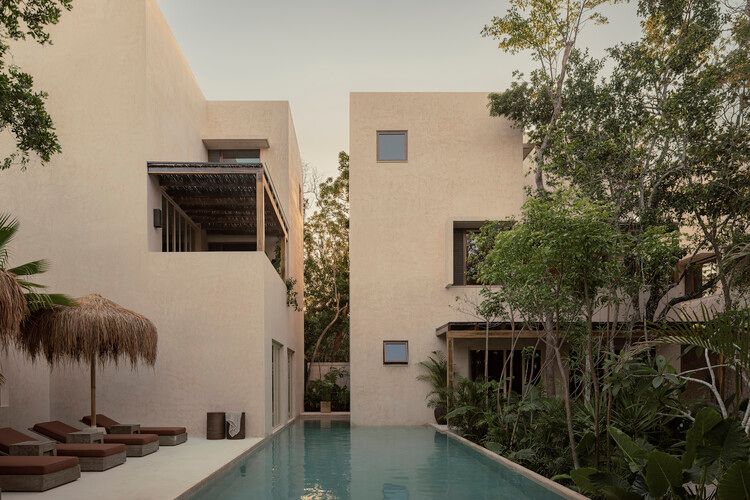
Naboa (Tulum), Mexico © Archdaily
A boutique resort that reflects the spirit of Tulum through tropical architecture, sustainability, and the contemporary use of natural materials.
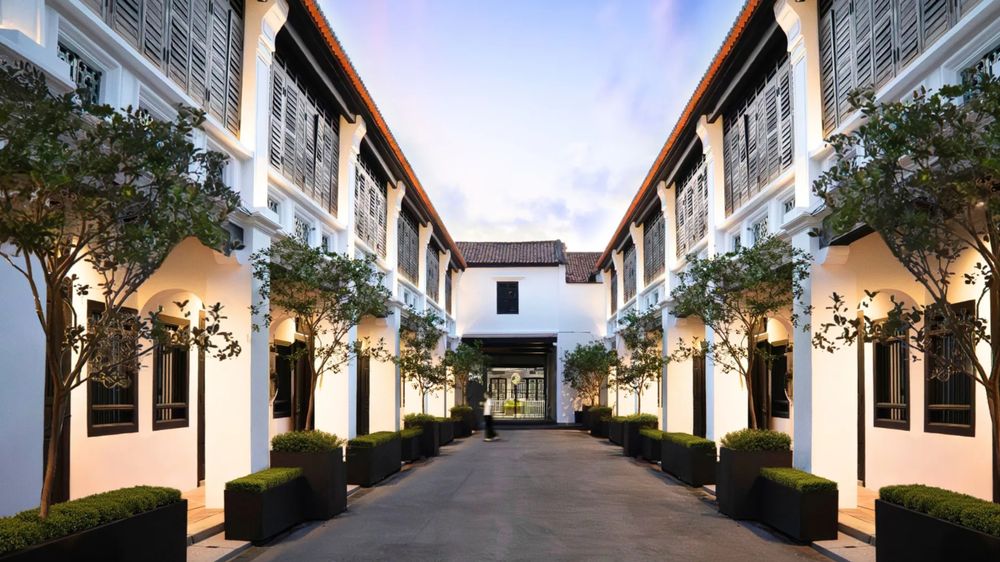
Soori Penang (George Town), Malaysia. © cntraveller
A hotel that delicately combines Penang’s cultural heritage with modern architecture, creating a stay experience that is simple yet full of taste.
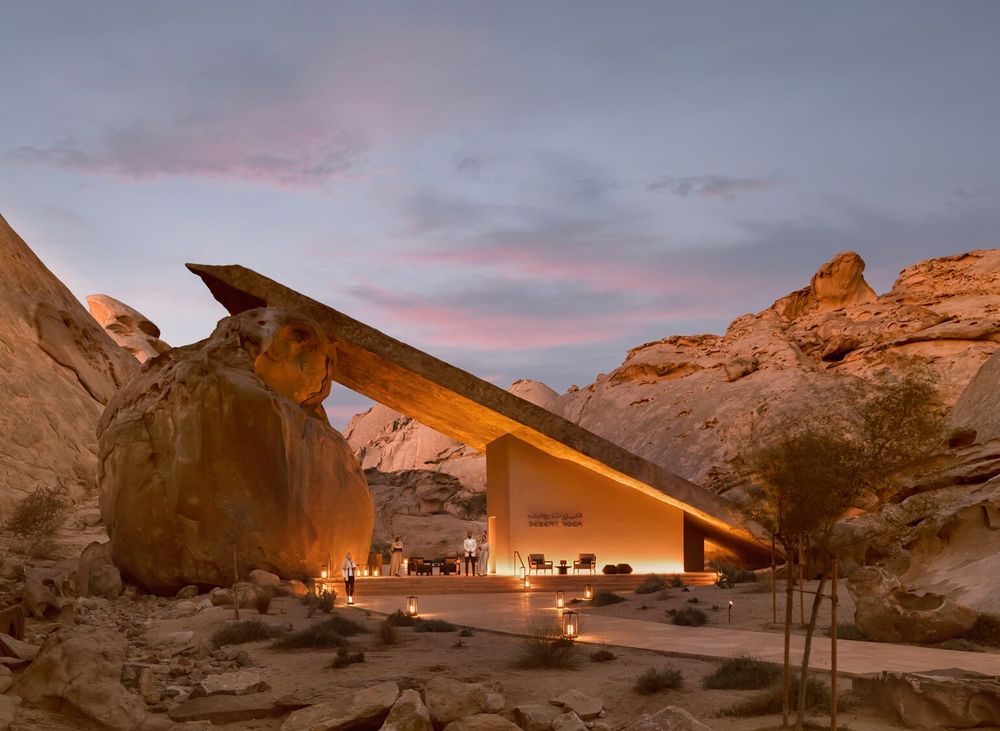
Desert Rock (Ḩanak), Saudi Arabia © Archdaily
A cutting-edge resort set within the desert rock landscape of Saudi Arabia, designed so that its architecture merges with the mountains and nature as though it were part of the earth itself.
Prix Versailles stated that the hotels selected this year share a common quality: each is able to create a “distinctive sense of place” for guests and connect authentically with the context of its city or natural surroundings.
In addition, all 16 hotels remain eligible for major awards to be announced later in the year, including honors for best architecture, best interior design, and best exterior design, regarded as among the highest distinctions in the global design world.
© 2025 Khaoyai Connect. All rights reserved.
No part of this content may be copied, modified, or distributed in any form without prior written permission.
