

Copyright in an Easily Copied World:
When Creativity Overlaps with Infringement (1)
At a time when "copyright infringement" is no longer just an academic debate but has become a hot topic in Thai public spaces, from social media to the creative industry, certain fundamental questions have unfortunately been overlooked. That is, what exactly are we talking about when we say "infringement" or even "derivative works"?
Much of the confusion does not always stem from bad faith; rather, it arises because "everyday language" and "legal language" do not neatly overlap. What society perceives as copying might not be "infringement" in a legal sense. Meanwhile, what appears to be mere inspiration might cross the line into the unauthorized use of the "substantial part" of someone else's work in a significant way.
Therefore, this article does not start by pointing out right or wrong, but rather invites readers to seriously reconsider the "conceptual structure" of copyright law. This ranges from the definitions of key terms to the criteria used to determine whether an act constitutes infringement, as well as an even more complex question: in the case of "derivative works," where exactly is the line drawn between creativity and infringement?
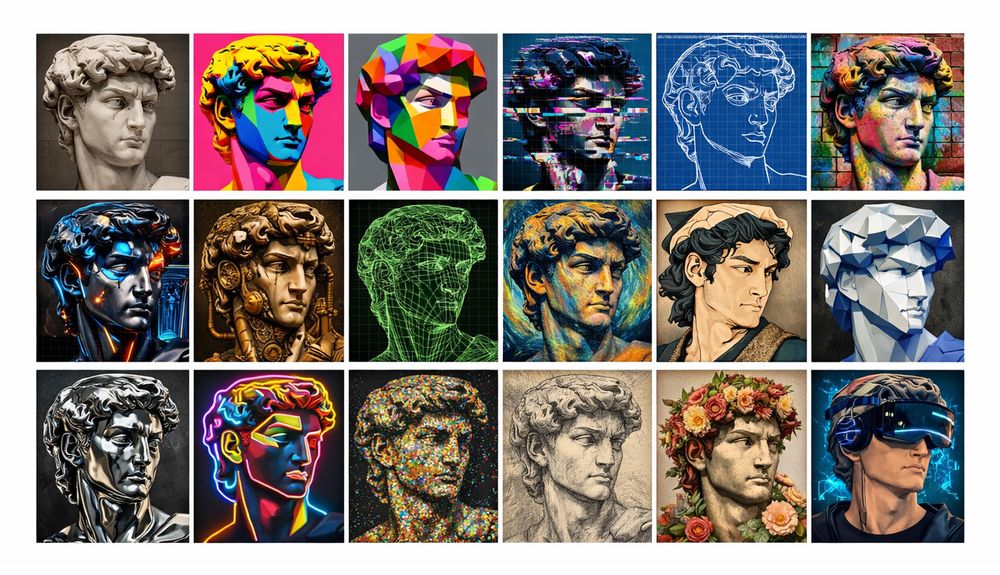
1. Normally, when talking about "derivative works," many people rush to ask whether it is legal or illegal. However, in legal terms, this question must begin with the "definition," because each system has a different starting point.
Starting at the international level, the Berne Convention does not directly use the term "Derivative work." Instead, it recognizes that "translations, adaptations, arrangements of music and other alterations" can be protected as new works, with the crucial condition that "such protection is without prejudice to the copyright in the original work." This is a broad framework that allows for building upon copyrighted works while maintaining the rights of the original owner.
Moving to the United States, the law clearly defines the term "Derivative work" in 17 U.S.C. §101, and this definition is quite broad. It covers works based upon preexisting works in various forms, specifically using the terms "recast, transformed, or adapted." At the same time, the law emphasizes that copyright in a derivative work extends only to the "material contributed" (17 U.S.C. §103(b)), and the original copyright owner has the exclusive right to authorize the creation of derivative works (17 U.S.C. §106).
In contrast, the United Kingdom does not establish a broad definition like the United States. In UK copyright law, the term "Adaptation" exists but is used in a very specific manner for only certain types of works, rather than as a universal catch-all. Consequently, in practice, when considering derivative works, the court does not start by defining what a derivative work is... but instead examines whether a "substantial part" of the original work has been used.
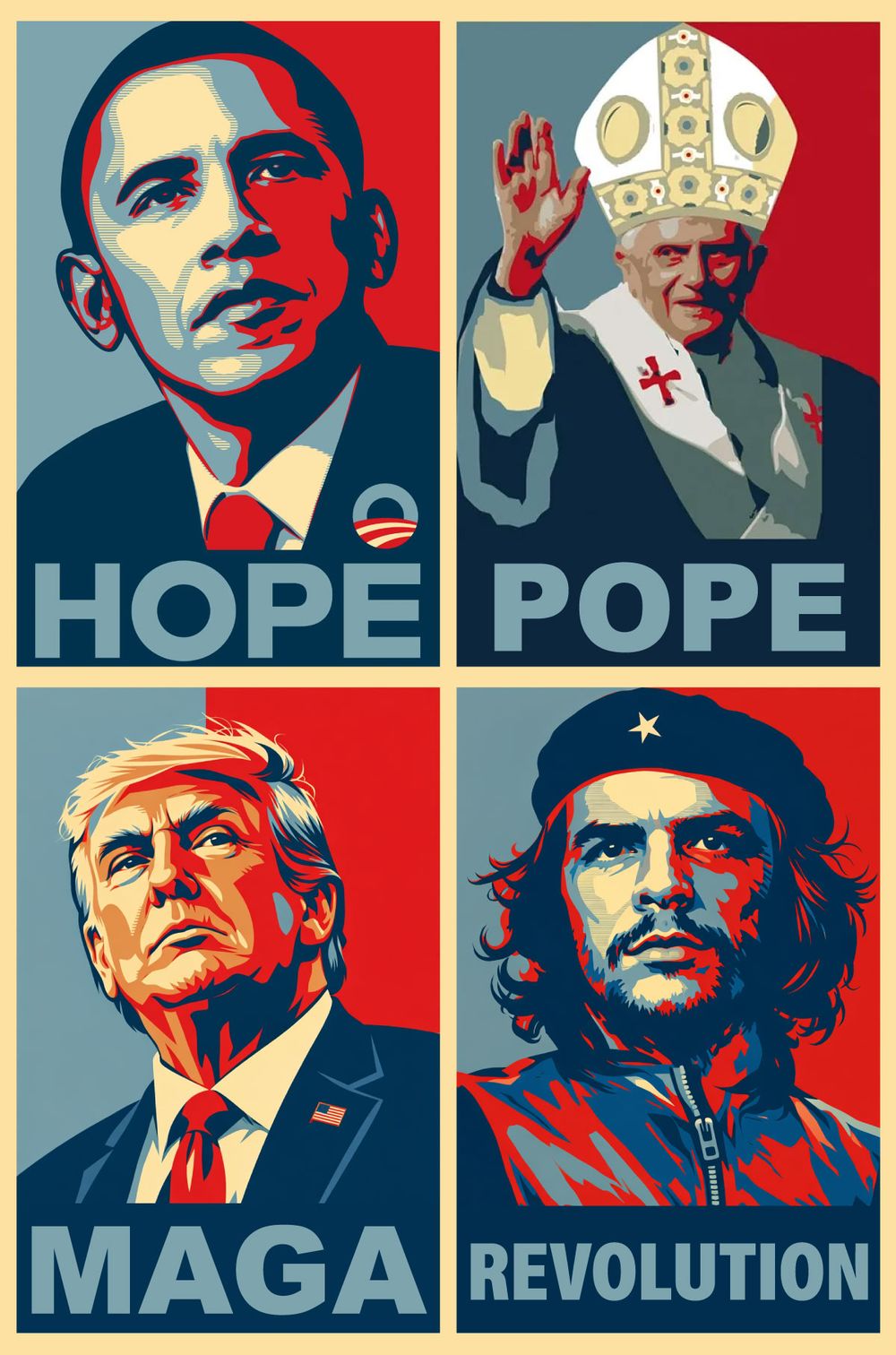
2. Once the definition is understood, the next question is: "Does adapting someone else's work 'without permission' constitute copyright infringement?" ...The answer is "not always."
In the US system, even if a work qualifies as a derivative work—which might involve adapting a preexisting copyrighted work without permission—the act will only be considered copyright infringement if the subsequently created work has copied protected elements and bears a substantial similarity...
Furthermore, in the US system, there are other cases where adapting an original work without permission is not considered copyright infringement. For example, when the preexisting work has fallen into the public domain, or when the adaptation falls under legal exceptions such as Fair use or Transformative use. In these situations, the use of the original work is considered "lawful" despite lacking permission. Therefore, whether permission was obtained is not the primary factor, but rather just one consideration.
This aligns with the concept in Nimmer on Copyright, which emphasizes that the law does not prohibit all inspiration, but rather prohibits the taking of "protected expression" to a significant degree.
As for the UK, although it does not use the same framework for the term derivative work, it ultimately concludes on the same principle: if a "substantial part" of the work is used, it can potentially be an infringement.
Additionally, there is an important quote from Melville Nimmer, an expert in copyright law, that sharply summarizes the core of this issue: ...
"A work will be considered a 'derivative work' only if, assuming the use of parts from the preexisting work occurred 'without permission,' that act could potentially constitute copyright infringement."
"...[A] work will be considered a derivative work only if it would be considered an infringing work if the material which it has derived from a preexisting work had been taken without the consent of a copyright proprietor of such preexisting work."
Nimmer on Copyright Sec. 3.01 (1986)
This means that the legal dividing line for the term derivative work is directly tied to the concept of "infringement," and a work that does not incorporate a substantial part of the original work to the extent that it might be an infringement (if unauthorized) cannot be called a derivative work.
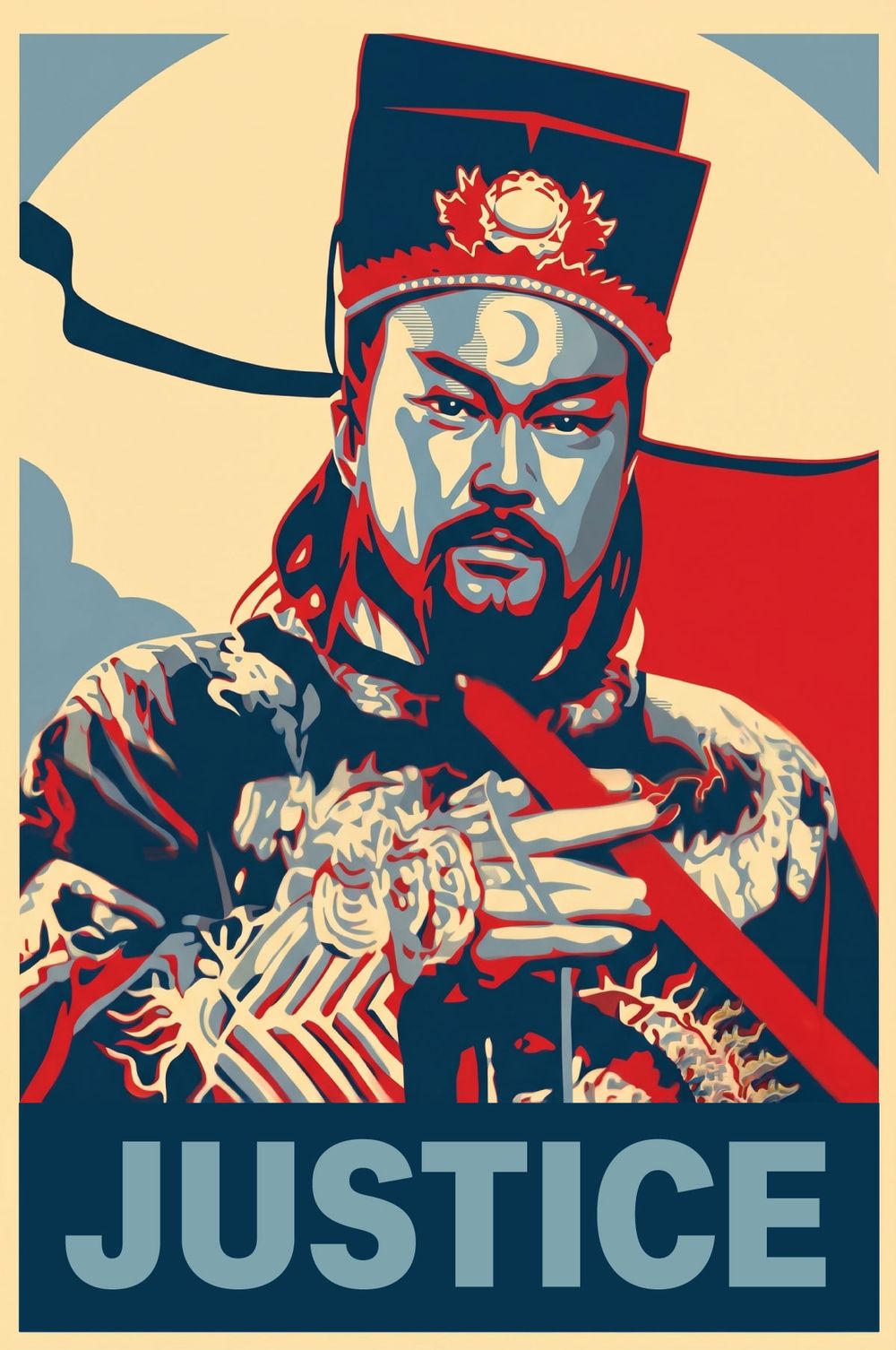
3. Now comes another important issue from a legal perspective: if an adaptation occurs... will the subsequent derivative work "have copyright?" ...The answer is "it is possible"...
The US principle clearly separates this from infringement. The creator of a derivative work can hold the copyright in the "part they created themselves," such as editorial revisions, annotations, or elaborations...
However, such copyright will only arise if the adapter has used the original work "lawfully" (as mentioned in point 2 above). Furthermore, the added material must 1) possess originality and 2) not be merely trivial.
In summary, the criteria for copyright protection in derivative works under US law can be classified into four main conditions:
First - The original work must be copyrighted or have previously been copyrighted.
Second - The use must be lawful, such as being authorized, in the public domain, or falling under exceptions like Fair use or Transformative use.
Third - The new work must have independent elements from the original work and be copyrightable in its own right, and
Fourth - The newly added elements must not be so minimal as to be merely trivial.
As a consequence, if a derivative work is created lawfully, the creator can exercise the right to prohibit others from copying "only the part they added," but cannot extend this right to cover the original work...
Conversely, if the use of the original work is "unlawful," such as lacking permission and not meeting exception criteria, that derivative work will face infringement issues and cannot fully assert copyright in the new work as a defense. It may even reach the point where the newly created work receives no copyright at all.
Therefore, when discussing derivative works, it becomes evident that there are three distinct issues to be clearly considered:
1. The legal definition.
2. Determining whether it infringes upon the original work, and
3. Determining whether the new work has copyright.
And the compelling question that invites further discussion is: "So, what are the criteria in Thailand?"...
For those interested in reading more, please visit the links below.
References:
https://www.ce9.uscourts.gov/jury-instructions/node/271
www.copyright.gov/circs/circ14.pdf
© 2025 Khaoyai Connect. All rights reserved.
No part of this content may be copied, modified, or distributed in any form without prior written permission.
