


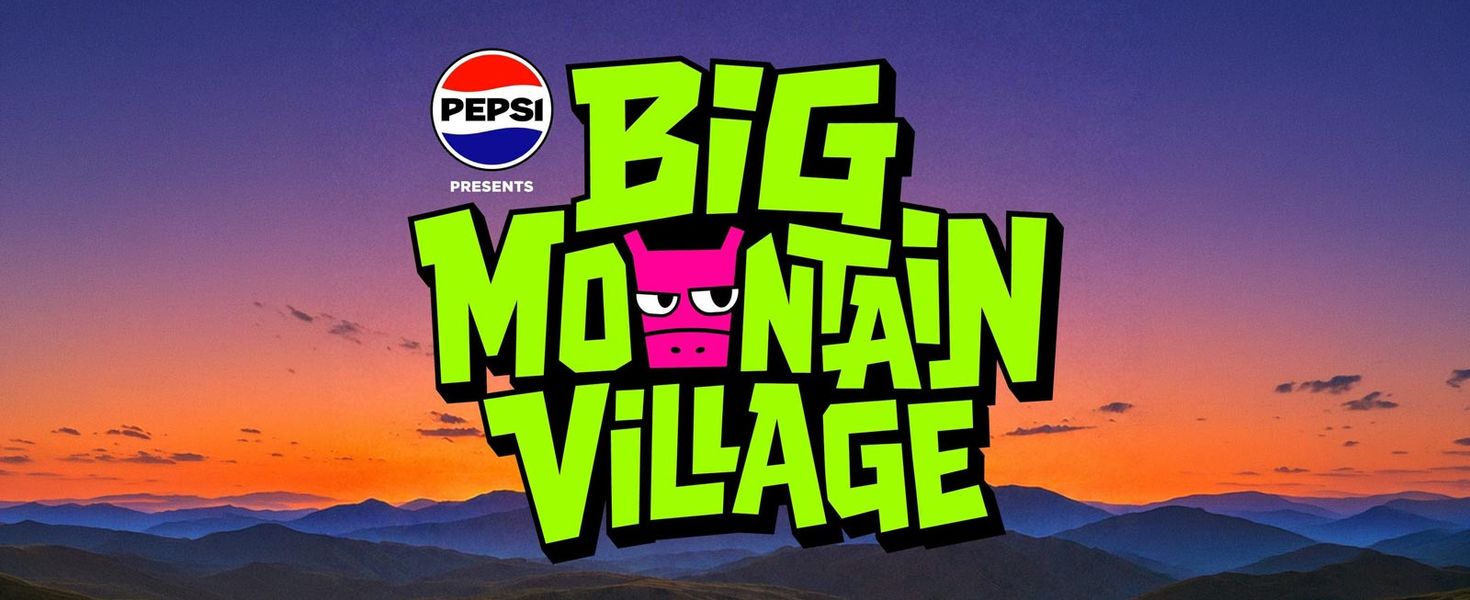
16 Years of Big Mountain:
A Music Festival Built on Difference, Die-Hard Fans, and Lessons That “Really Hurt”
From a different way of thinking to one of Thailand’s biggest music festivals, Big Mountain Music Festival has grown not simply because it has beautiful stages or a large number of artists, but because of an approach to festival design rooted in brand-building, turning criticism into data, and never ceasing to ask: What will bring the audience back each year?
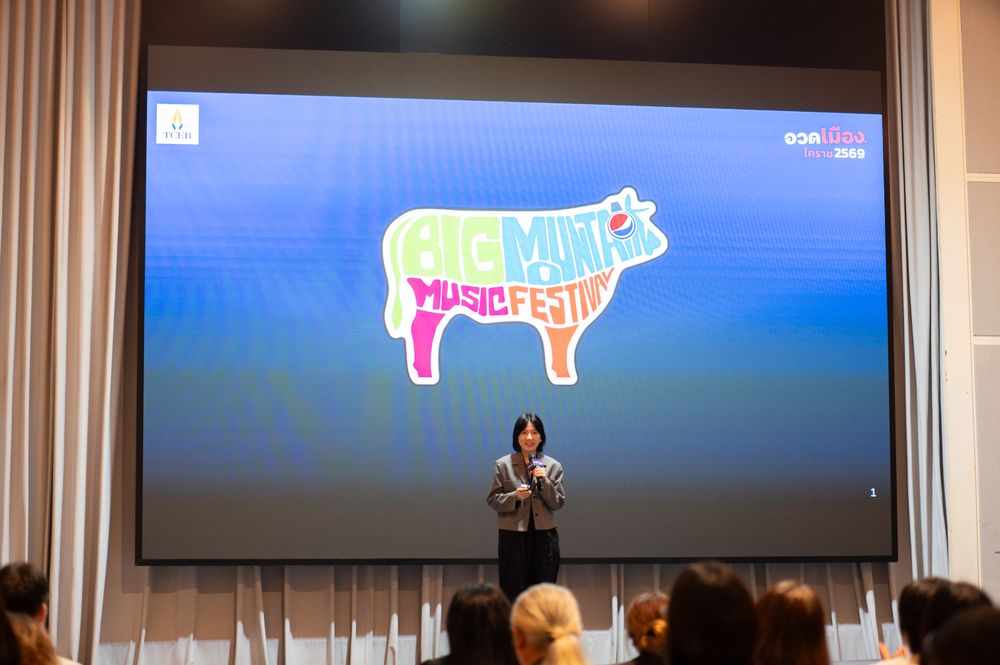
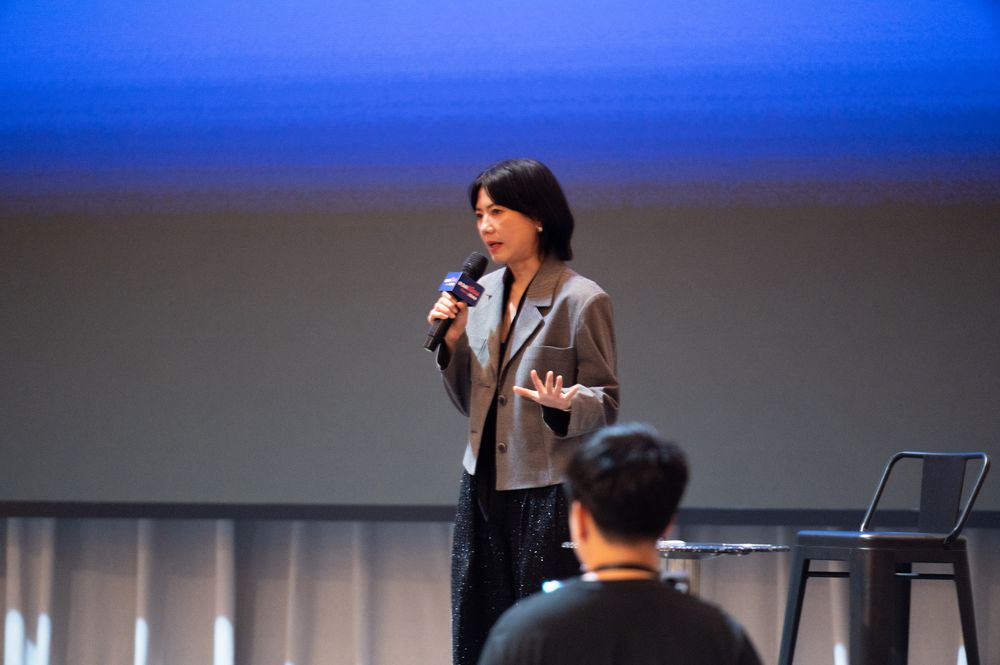
Compiled from a talk by Ms. Pankaew Sattayawuttipong
Vice President – Showbiz Promoter, GMM Music Public Company Limited, at the Festival Insight Talks session “Designing a Festival That Sells and Unlocking Business Opportunities for the City,” part of Korat K-Battle: Business Festival Lab, held on July 22, 2026.
A Festival of “Khao Yai”
Late 2009 marked the first year that the team at GMM Music Public Company Limited pinned Khao Yai in Nakhon Ratchasima Province on the map as the venue for one of the country’s most talked-about and distinctive music festivals. Khao Yai was chosen because it is a major tourist destination within easy reach of Bangkok, surrounded by mountain ranges and blessed with a pleasantly cool climate. This forested landscape became the site of a landmark experiment in Thai music: for the first time, a festival brought a wide range of musical genres together, adding art, architecture, new lifestyles, and camping to the mix in one place over two days and two nights. Its name was a literal translation of its birthplace: “Big Mountain.”
Looking back on the festival’s journey, Pankaew Sattayawuttipong says Big Mountain has reached its 16th year through experiences that were both “real work and real pain.” Behind the spectacle enjoyed by tens of thousands of people lies the work of building a brand—one that has had to learn, adapt, and solve new problems almost every year.
At the time, Khao Yai had already hosted music festivals. The organizers’ question, therefore, was not simply, “How should we put on a concert?” but, “If we are starting later, how can we make it different—and better?” The answer became the foundation of Big Mountain and remains so today.
Think Like a Product Builder, Not Just a Concert Organizer
From day one, the team did not see Big Mountain as merely a concert or festival, but as a “product” that needed a clear enough selling point to persuade consumers to buy tickets, make the journey, and commit two nights of their time. Its first selling point was to offer almost every kind of music. Whether people came for pop, rock, mor lam, EDM, hip-hop, indie, or simply an atmosphere akin to a pub, every taste deserved a space of its own within the festival.
That diversity was not thrown together without direction. It was categorized and transformed into stages. Each stage was therefore more than a place where artists performed; it was an experience formed from visuals, sound, emotion, art, and architecture. From the moment they stepped inside, festivalgoers were meant to feel something—and to remember exactly where they had once stood at Big Mountain.
The key was never to lock any formula in place forever. The rock stage did not have to look the same every year, the indie stage did not have to retain the same visual language, and a space such as Akojorn Pub could appear or disappear as circumstances dictated. When hip-hop grew, the festival had to make room for it. As global trends and audience tastes changed, Big Mountain had to keep pace, then translate those shifts into the festival’s overall identity and communications.
Annual Themes: Giving the Fun a Story
In its first year, Big Mountain presented itself straightforwardly as a festival that “had everything,” much like kaeng ho, a northern Thai curry that brings many ingredients together. The poster featured an oversized van, helping people remember the festival’s logo and personality. In its second year came the catchy phrase “Mun Yai Mak”—“It’s Very Big”—which became part of the festival fans’ shared memory.
By its third year, the team had begun using themes seriously as a storytelling tool. That year’s theme was “Please Have Fun Again,” with communications styled after Communist China and artists dressed as revolutionaries. Yet the poster’s playful imagery grew out of a genuinely painful lesson: the second festival had been heavily criticized for its site layout, poor sales among food vendors, and traffic congestion.
Rather than avoiding the criticism, Big Mountain made it the reason for a “revolution.” The team redesigned the layout, fixed the restroom system, and revisited the details raised in audience feedback. The theme was no longer merely the festival’s costume; it was a declaration that the festival was ready to change itself.
The fourth year adopted a tribal concept to say that whether people belonged to the EDM, mor lam, dance, pop, or rock tribe, everyone could gather and dance in the same space. In year five, Big Mountain became an amusement park, reflecting the phenomenal success of the film Pee Mak and the memorable invitation, “Let’s play together.” Year six, meanwhile, played on the words Six and Sick through images of doctors and nurses—as if to say that after a year of exhaustion, stress, or a freshly broken heart, Big Mountain was ready to become a place of healing through fun.
These themes meant that each year was not merely a change in the artist lineup, but a new episode in the same continuing story. Audiences therefore had a reason to wait and see what Big Mountain would say the following year, which trend it would play with, and how it would invite everyone back to have fun together.
From Casual Attendees to the “P’Wua” Community
A festival may sell tickets on the strength of its artist lineup, but a brand that endures needs a deeper relationship with its audience. Throughout its journey, Big Mountain has therefore communicated beyond ticket-sale periods, gradually building a fan base that keeps returning. Some come every year; others take a break and later return, until their individual memories collectively form a vast community.
In the early years, Facebook was growing and served as a shared space for several generations. Big Mountain’s page therefore became its main communications hub, eventually attracting more than one million followers. Everything—from ticket-sale dates and changes at the event to casual conversation starters—could be sent directly to people who already felt connected to the festival.
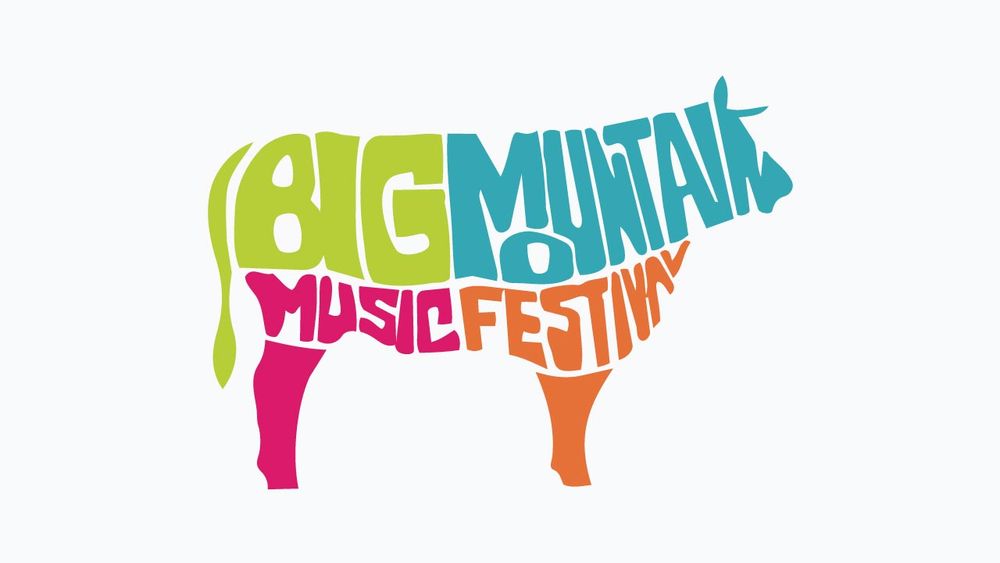
Although “Pa Ted” Yuthana Boonorm is the face most closely associated with Big Mountain, it is “P’Wua,” the cow mascot drawn from the festival logo, who talks with fans from day to day. P’Wua is more than an illustration: the character serves as the festival’s spokesperson, sharing information, extending invitations, answering questions, and playfully teasing fans in a cheeky voice. Many followers visit the page simply to see what P’Wua will post or reply to that day.
As audience behavior shifted toward Instagram and TikTok, the brand had to move with it. Big Mountain’s lesson was therefore not to cling to any single platform, but to preserve the same personality and relationships while moving into the new spaces where its audience spends its time.
A Fan Base Is Never “Big Enough”
A following in the millions may look like sufficient success, but from a brand-building perspective, Big Mountain believes a fan base is never large enough. The festival has therefore extended its relationships through partners, seeking brands with similar DNA that are ready to create fun together. One significant example is its partnership with Pepsi, which has continued from the first year to the present.
Partnerships therefore mean more than sponsorship money. They also involve sharing fan bases, creating activities together, and strengthening the festival’s image. Business opportunities extend to merchandise such as shirts, hats, bags, and shoes. These items do more than serve as souvenirs: when buyers wear them, they carry the brand into everyday life and make their fandom visible.
Listen to the Audience Before Impressions Remain Mere Feelings
Difference, playful themes, and a strong community are still not enough if organizers do not know how their audience truly feels after the event. Big Mountain therefore conducts systematic surveys, with GMM Grammy’s CRM team collecting feedback on everything from the event name, dates, and travel arrangements to the artists, food, safety, restrooms, and the finer details of the on-site experience.
The data is converted into comparative proportions, with a high benchmark in place: any category scoring below 8 is considered unsuccessful and must be improved at the next festival. This approach means that “the audience liked it” or “the audience did not like it” is no longer a matter of guesswork, but actionable data the team can use to make decisions.
Feedback varies from year to year, ranging from a lack of food variety, inappropriate pricing, and overly strict security staff to smoking in non-smoking areas and perennial issues such as traffic and dust. Some matters can be fixed immediately; others face systemic constraints; and some must be explained so the audience understands. Every issue, however, must be reconsidered.
Restrooms offer a clear example. They cannot be placed in the middle of performance areas because organizers must account for odors, hygiene, and service routes for sewage trucks and water tankers. These constraints may require festivalgoers to walk farther. The team has responded by remastering the site plan, aiming to keep walking distances to around 100–150 meters, and staggering the start, finish, and break times across stage schedules to reduce simultaneous crowding at the restrooms.
A Sustainable Festival Because It Admits Its Mistakes
What Big Mountain gains from its surveys is not merely a satisfaction score, but the ability to see what can actually be done, what “really hurts,” and what must be fixed all over again. Candidly admitting mistakes means the festival does not have to be perfect every year—but it must show its audience that their voices influence the year that follows.
Over 16 years, Big Mountain has grown through a systematic, interconnected cycle: creating difference that makes people want to return, building stories that make them want to follow along, forming a community that gives them a sense of ownership, creating room for partners to grow alongside the festival, and feeding audience responses back into the work of improving the festival experience.
The result is a festival that people genuinely travel to, that genuinely sells tickets, that sponsors and partners want to work with, and that continues to maintain relationships with longtime fans while welcoming new generations of attendees. Big Mountain’s sustainability therefore comes not simply from making the event “bigger,” but from continually keeping the meaning of “Mun Yai Mak”—“It’s Very Big”—fresh and valuable to people every year.
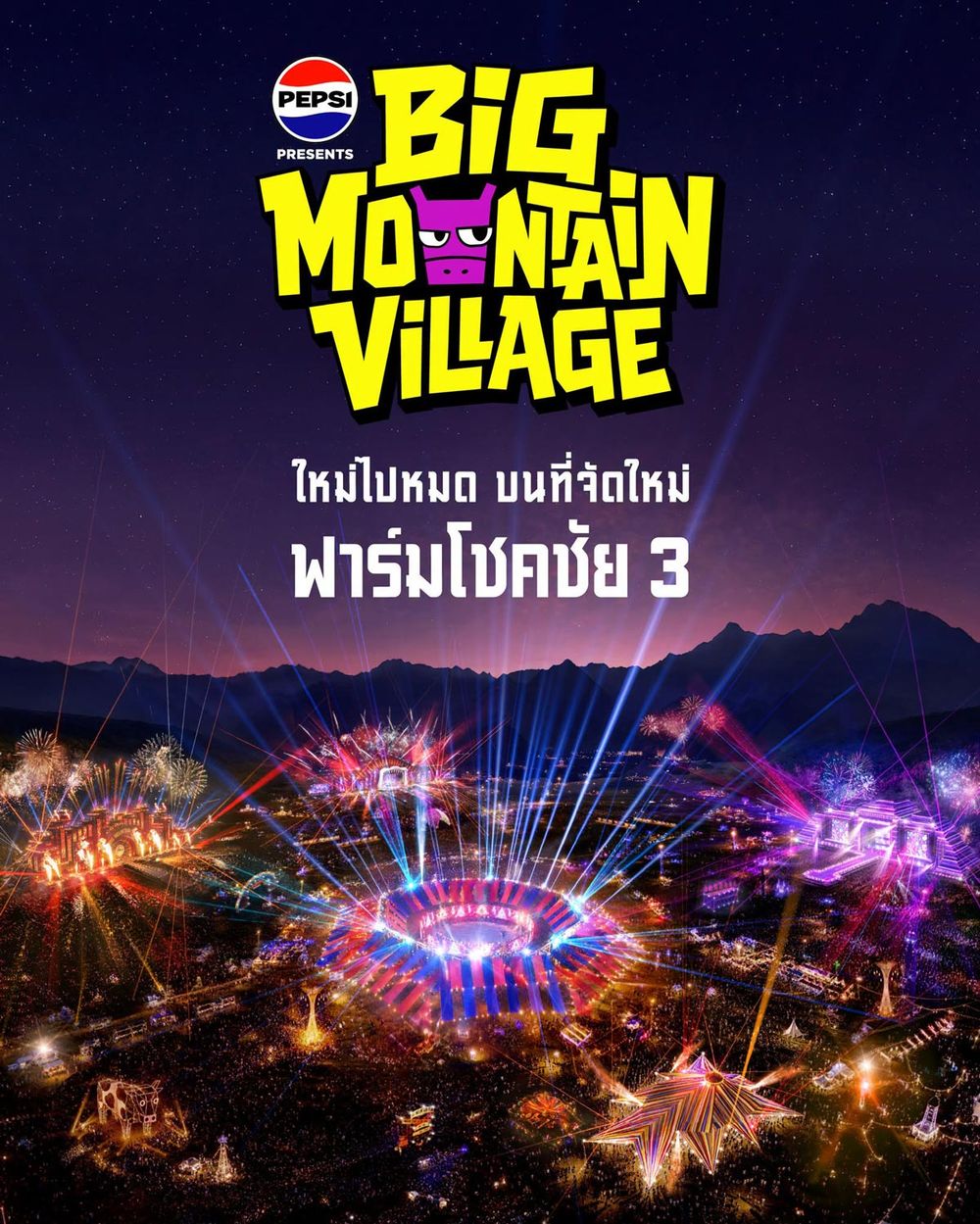
This year, Big Mountain is changing course by moving to a new venue, “Farm Chokchai 3.” It remains easy to reach, sits alongside Thanarat Road, and offers expansive grounds. The festival is also pushing a new viral phrase: “Everything’s New.” P’Wua has even posted that the event stands against cannabis, e-cigarettes, and all illegal drugs—issues that fans raised forcefully in feedback over recent years.
© 2025 Khaoyai Connect. All rights reserved.
No part of this content may be copied, modified, or distributed in any form without prior written permission.
